Water Hyacinths: Microplastics’ Worst Enemy?

By Emory Daniel
~ 3 minutes ~
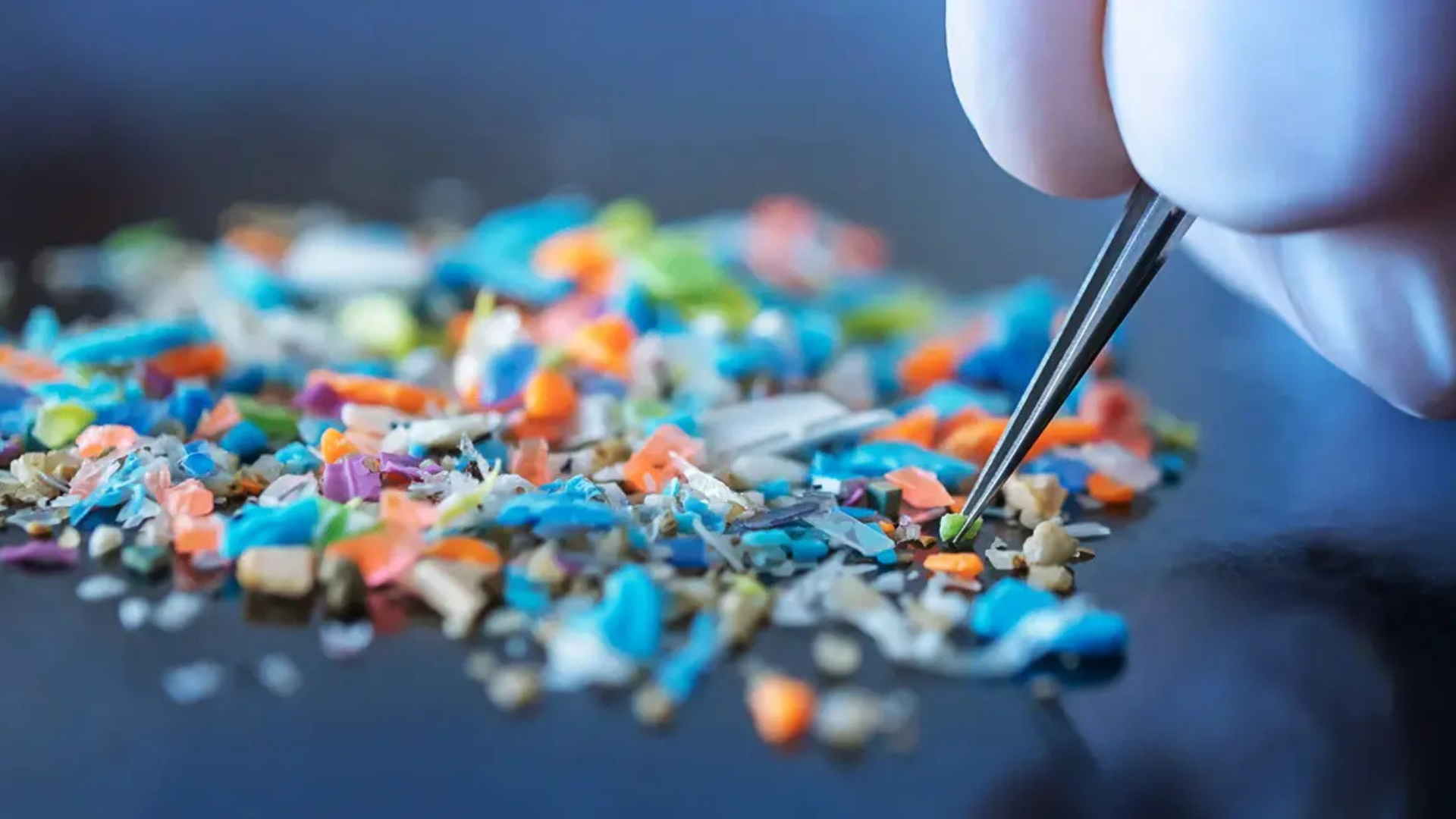
What if someone told you that you were ingesting the plastic equivalent of a credit card every single week? According to the World Wildlife Fund this is the reality. The WWF commissioned a study that found we all consume about 2000 tiny pieces of plastic every week. “We can’t escape consuming plastics [without] tackling the plastic crisis” , WWF's International Director General, Marco Lambertini, explains (WWF). These tiny plastics that this study is referring to are known as microplastics, which are detrimental to the health of the animals and plants in the surrounding environments as well as humans.
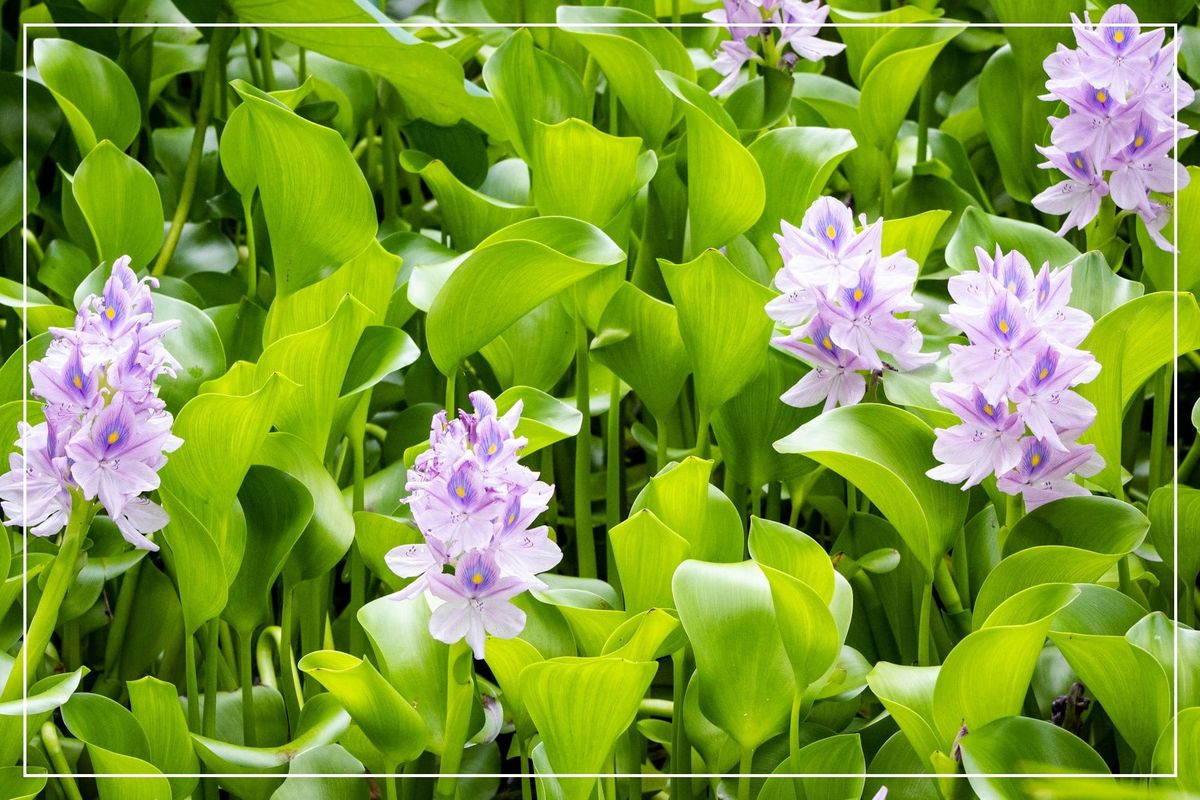
Many attempts to remove microplastics have excessive energy expenditure or high expenses, leading scientists to an unexpected solution: Eichhornia crassipes, or Water Hyacinths. The use of natural materials to remove pollutants, or phytoremediation with water hyacinths is possible due to their stem’s vascular rings and extensive root cap surface area that captures the microplastics without affecting the plant. These features basically provide the plant to remain unharmed even while removing microplastics from the environment.
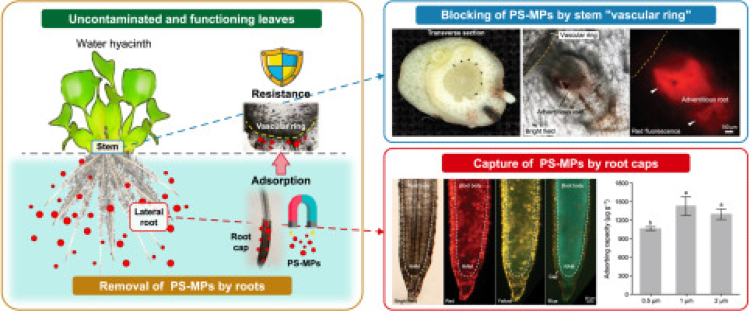
How did these scientists stumble upon an invasive water plant like the Water Hyacinth as the new revolutionary tool to cleaning out the microplastics in rivers? It all started when scientists wanted to take a closer look into the pollutants in the nearby rivers, for rivers often have higher microplastic retention. When looking at the Saigon River, scientists noticed that plastic concentrations in the plant patches are 32 times higher than at the river surface (Science Direct). This began experiments to see how the plants were interacting with the microplastics and how they were affecting their health. When looking at the Water Hyacinth patches, they saw between 54% and 77% of surface plastics from the Saigon River being trapped by the plants (Science Direct). Since they trap the plastics but are not affected by them because of the anatomy of their roots shown in the picture above, they harness the ability to revolutionize how we address the plastics in our waterways.
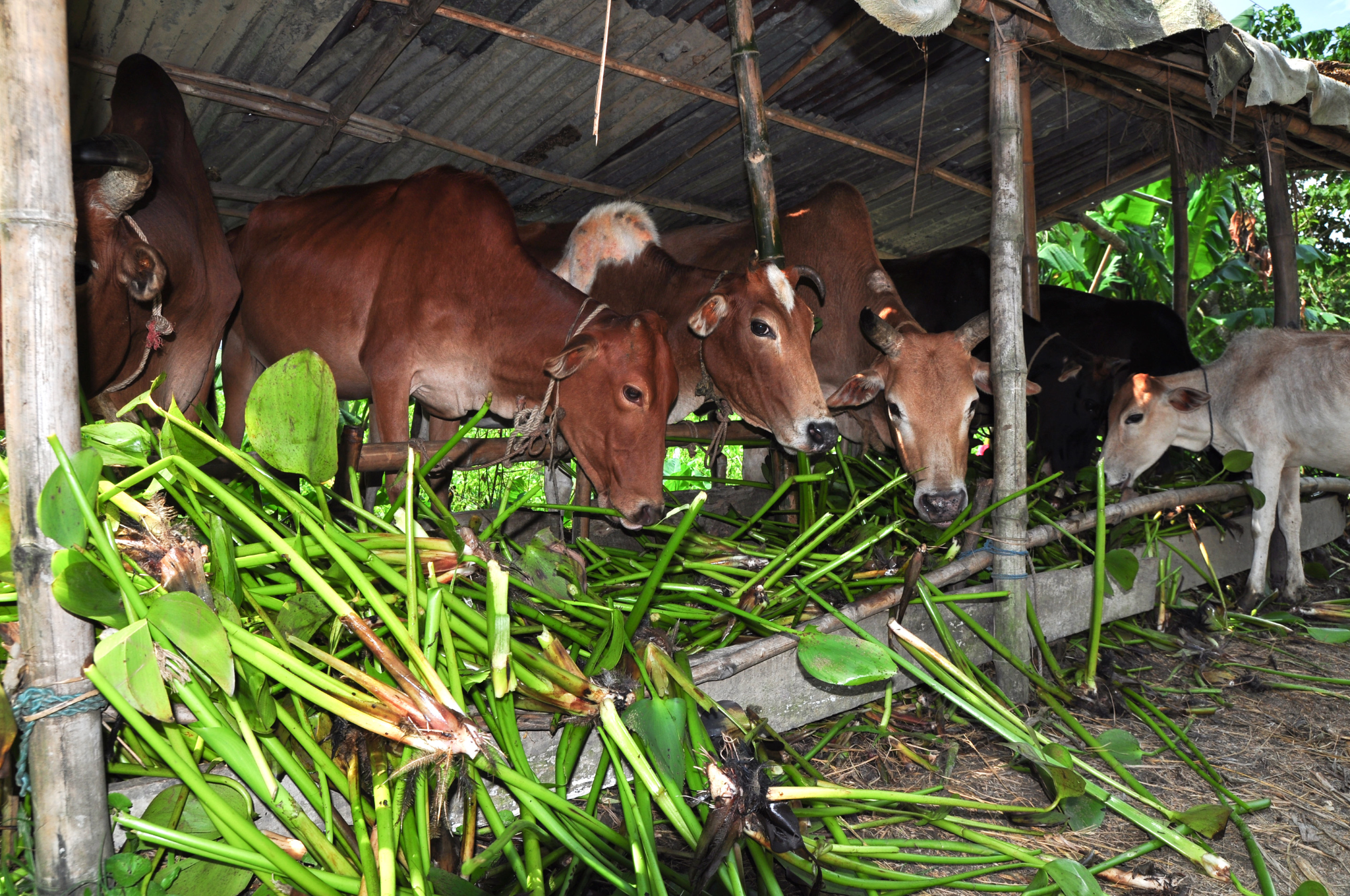
While the Water Hyacinth sounds perfect, there are downsides to their possible integration to remove pollutants. Water Hyacinths are invasive, and can grow in size incredibly quickly. Luckily, through the studies conducted it is proven that they can remove the microplastics within 48 hours. After removing the plastics, they remain in the roots of the plant which can then be removed from the water and have the leaves and aerial portions of the plant which are not in contact with the plastics to be used as animal feed.
The United Nations Environmental Program states that everyday approximately 2000 garbage trucks worth of plastic is discarded into our worldwide waterways. New discoveries have led to an exciting new opportunity to use Water Hyacinths to remove plastics incredibly quickly from waterways. The use of an invasive species to solve a modern problem proves how nature adapts to environmental changes and with our support can help clean our water and better our environments.