
EVs: Good for the Climate, Bad for the Environment

By Aniela Coughlin
~ 5 minutes ~
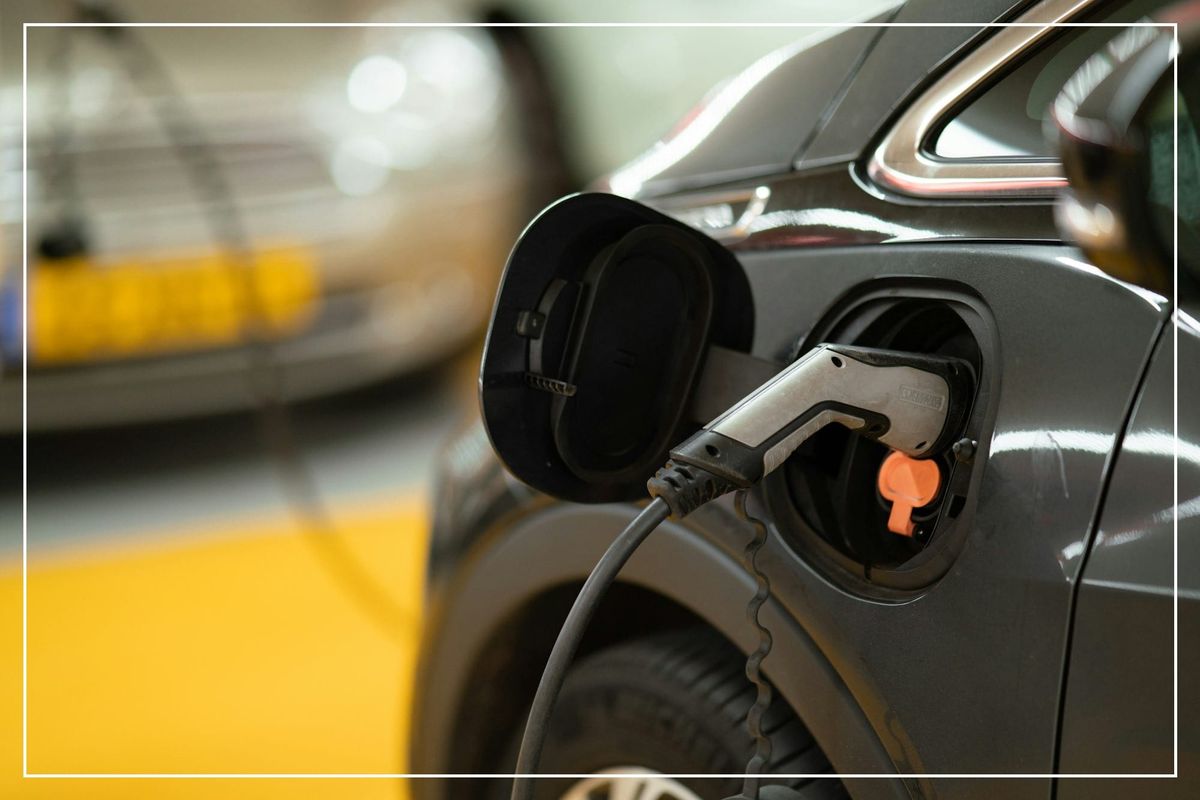
EVs, or electric vehicles, are glorified as a “green” alternative to petrol-fueled cars, but their devastating effects on the environment are often glossed over. To understand the damaging effects that EVs impose on the Earth’s climate, we must look at the entire manufacturing process, starting at the lithium mines.

EV’s Backbone: Lithium
Instead of the Internal Combustion Engine (ICE) which burns oil for fuel in traditional petrol-based vehicles, Electric Vehicles are powered by electric energy stored in a lithium-ion battery. When the car is driving, electric energy flows from the battery to an electric motor, and this flow reverses as electricity refills the battery cells during charging.
The lithium-ion batteries require large amounts of minerals–roughly six times as many as a traditional ICE car. The extraction and refining of these minerals is a process that the term “green” does not pertain to. Using electricity as fuel means that EVs produce net 0 carbon emissions during operation, but this statistic does not apply to the manufacturing process.
The Facade of "Net 0" Emissions
Lithium-ion batteries require a variety of metals and minerals in order to properly fuel an EV. Barring the CO2 emitted by transporting cobalt from the DRC or lithium and copper in Argentina to the refineries in China and finally to the US, the process of extraction and refining is in and of itself polluting. A report from MIT’s Climate Lab revealed that one ton of mined lithium emits nearly 15 tons of CO2. In addition, a study from Princeton University focusing on India and China suggests that with the domestication of EV supply chains–meaning the refinement of nickel and cobalt among other elements of the production process–SO2 emissions could go up by 20% above the current standard.
This does not mean that EVs are so harmful for the climate that manufacturing should stop immediately, but it is a critical tradeoff that often seems to be glossed over.
While these numbers are concerning, EVs still inflict less damage on the climate than a standard gas car. It is the lithium-ion batteries’ effect on the environment which is most alarming.
A Key Distinction: Fighting Climate Change Vs. Saving the Environment
The climate pertains to anything to do with the Earth’s atmosphere and its patterns. It encompasses things like the greenhouse effect or unhealthy particulate matter in the air from SO2 emissions. When polar ice caps melt or global temperatures rise, this is due to changes in the Earth’s climate.
The environment is a much broader concept as it includes all living organisms and physical elements such as soil, water, entire ecosystems, or human-made structures. When people talk about “saving the rainforests” or “protecting animals from extinction,” they are talking about saving the environment.
While the Earth is like its own giant machine and so the changes in the environment can affect the climate and vice-versa, it is important to note this distinction between climate and environment because EVs successfully minimize the impacts of one but have a dreadful effect on the other.
EVs and the Environment
With a clear separation of the ideas of climate and environment in mind, let’s dive deeper into the latter.
As mentioned before, EVs require large amounts of minerals and metals in order to function, and most of these go toward a lithium-ion battery, which is in charge of supplying electrical energy to the motor.
Lithium, one of the main components of an EV battery, is found in a multi-mineral mixture present in salt flats, mostly extracted from the Andes region of South America. The extraction process of lithium from this mixture is an up to 18-month long, water-intensive process. Each ton of lithium requires 500,000 gallons of water, and not only does lithium extraction deplete natural water sources, but it also contaminates the water and soil around it.
Other essential metals in EV batteries are copper and cobalt. Copper is mostly produced in Chile and Peru, and its mining necessitates the destruction of part of the rainforests in which it is found. To worsen affairs, copper mining contaminates vegetation and groundwater, often harming animals and wildlife as well.
For cobalt extraction, however, human rights abuses have garnered more attention than environmental degradation. This toxic metal is mined primarily in the DRC, with the alarming use of child labor and exploitative mining practices. The safety of the Congolese is often sacrificed for profit or efficiency, leading to the deaths of hundreds of miners, with one notable mining accident in 2025 killing 32 people.
To make matters worse, the sustainability of lithium mining has recently been put into question. A 2025 study on supply-demand ratios for lithium in EV markets across the US, Europe, and China predicts that while lithium production may grow by up to ten-fold by 2030, its supply will likely not meet market demands. One major critique of oil-fueled vehicles is the finite nature of fossil fuel reserves; if EVs fail to uphold the green principle of sustainability, then how “green” are they really?
Does this mean we should resort to gas cars? Both the environment and climate-minded answers are a hard no. While mineral extraction for EVs is environmentally damaging, so is the oil fracking process, if not even more so. Additionally, the overall carbon footprint for EVs is significantly lower than that of traditional gas cars because an EV’s carbon production ends the moment it hits the road. But, it is important to realize that just because EVs are branded as “green,” they are not perfect. EVs still leave behind a trail of human rights and environmental issues which cannot be left unresolved.

A Hope for the Future
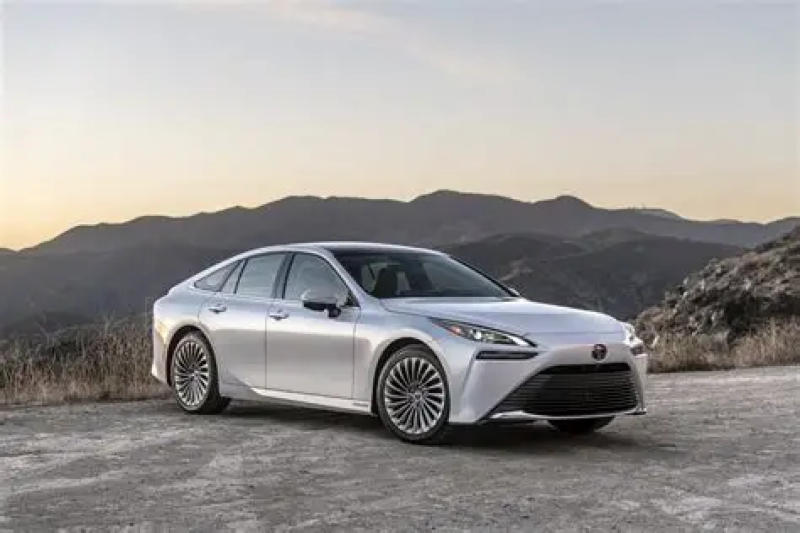
Innovation is the engine of progress, and new technologies promise a brighter future for both the ice caps in the Arctic and the sloths in Costa Rica. Hydrogen cars are an increasingly viable alternative to gas vehicles, with Toyota recently releasing the Mirai.
Electric Vehicles are by no means perfect– their fuel system hinges on exploitative mining practices which harm people and damage ecosystems– but they are a step forward from traditional gas cars. This is exactly how EVs should be characterized: not as a permanent solution but as a stepping stone away from petrol-based vehicles.
References
“The Dark Side of Electric Vehicles: A Hidden Pollution Problem.” The SciTech Daily, 09 December 2024, The Dark Side of Electric Vehicles: A Hidden Pollution Problem.
“The devastating toll of cobalt mining leaves over 32 dead in Congo.” The Human Rights Research Center, 03 December 2025, The devastating toll of cobalt mining leaves over 32 dead in Congo.
“Lithium mining for EVs: How sustainable is it?” APM Research Lab, 22 February 2024, Lithium mining for EVs: How sustainable is it? — APM Research Lab.
Xia, Manberger, and Debin Du. Long on expectations, short on supply: Regional lithium imbalances and the effects of trade allocations by China, the EU, and the USA. Science Direct, 2025.