

By Kathleen Jiang
~4 minutes
Cooking is instrumental in everyone’s life. Think about how many times you’ve eaten today! Eggs for breakfast, milk as a drink, pirate booty’s as a snack, mac n cheese for lunch, and pizza for dinner. We all spend minutes, even hours of our lives simply deciding what foods to eat, but have we ever dug deeper into what chemicals we’re eating? After all, cooking is chemistry and something has to keep that twinkie immortal! In this article, we will take out our detective gloves to examine what we’re really putting in our bodies, then uncover the history of cooking, and finally discover the impact of cooking on American culture.
Let’s head to the lab! When looking at a typical American kitchen, you’ll notice a trend of processed foods such as deli meat, sauces, and pastas. This happens because processing often alters the food, leading to a sharp increase in sugars, sodium, and calories. While processing itself is not inherently bad, the abundance of ultra processed foods (a certain kind of extremely unhealthy processed food with abundant fats, calories, and salts) has been linked to higher cancer risk. This is due to the production process which often adds additives or strips nutrients from the food. While most foods undergo some kind of process, this article will refer to ultra processed foods such as packaged snacks, bread, cereal, processed meat, condiments, sweets and alcoholic beverages, and candies and desserts.
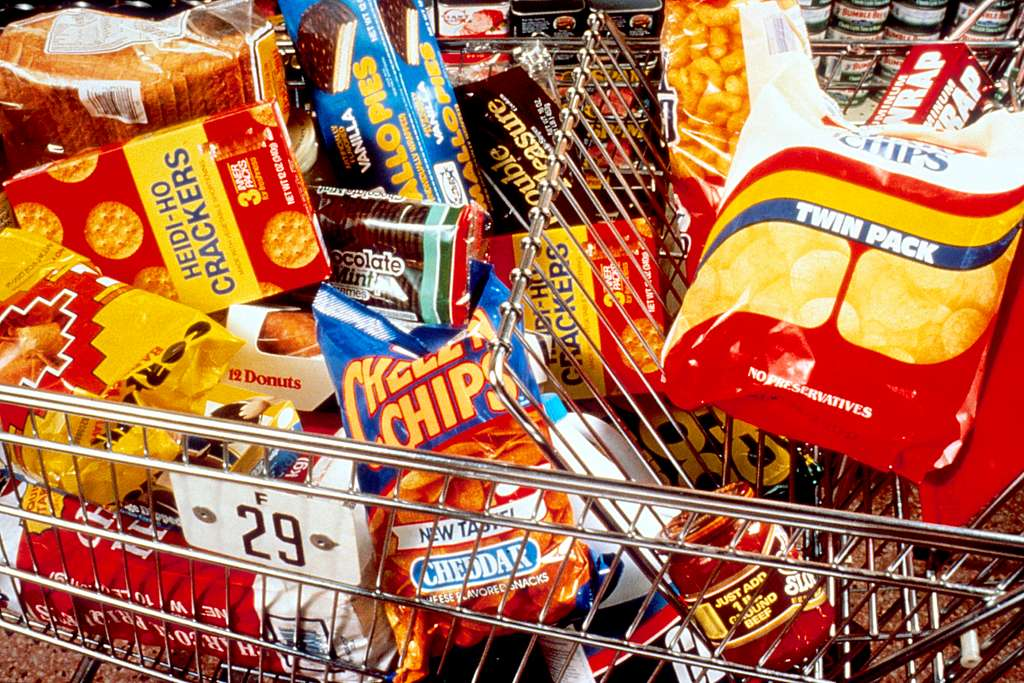
Processed foods such as cheese, noodles, and even oil have always existed as a main staple in ancient diets. As food has evolved, new processing techniques such as the invention of hermetling bottling in 1809 has led to widespread canning and tinning, while Louis Pasteur’s discovery of pasteurization in 1864 inadvertently caused the increasing popularity of processed foods. During World War I, the convenience of processed food continued to remain relevant, as people rapidly advanced machinery creating microwaves and blenders, and sought food that was nutritionally dense to fight malnutrition and disease. In the modern age, the most recent rise of processed foods is credited to food marketing. Fast food companies spend billions of dollars in marketing each year, and according to wildhealth.com, in 2017, 80% of their ads focused on candy, snacks, and fast food which are all ultra-processed foods (UPFs).
Bright. Colorful. Iconic. Everyone has fallen for the sugary promises without realizing they are being preyed on by these advertisers.

Label marketing has also had a detrimental effect on the food industry. The FDA sets standards that companies must abide by, however many of these standards are outdated and the 1994 definition of “healthy” to be placed on food products was changed only three years ago which resulted in limits being set for the amount of fat, cholesterol, and sodium in a product.
We may sacrifice nutrition for convenience, but these unhealthy habits are linked to 30+ health conditions and are proven to increase risk of complications such as cardiovascular disease, cancers, obesity, and type 2 diabetes. As Dr. Devies puts it “Ultraprocessed foods are better at preserving shelf life than human life.” Data shows that 57% of adult diets and 67% of children’s diets consist of ultra-processed foods. The laboratory may create a product that has an excellent appeal, and a long shelf life, but do not be fooled. It is devoid of the important nutrients that our bodies actually crave.
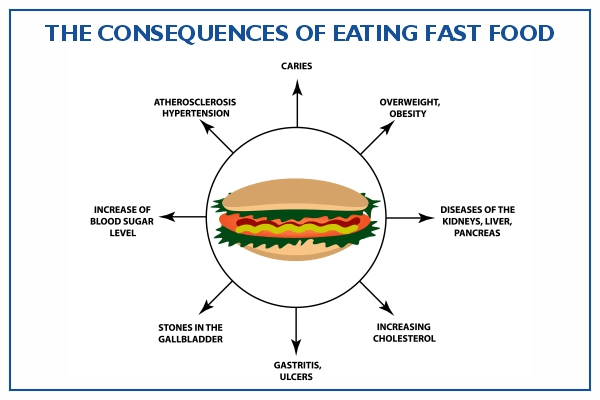
Can you name 5 ingredients in a cheetos bag? Processed foods have become a major component in many American diets contributing to the obesity and overweight crises which sever our connection to the natural foods that our ancestors ate. While eating junk may be more convenient, the physical effects will catch you in the long run.
 Youth Stemline
Leave a comment