About

Category: health

  • WHAT IS HUMAN NATURE?

    WHAT IS HUMAN NATURE?

    By Summer Chen

    ~ 7 minutes


    I grew up thinking that everyone is born evil. Even though I was told that people always tried to help each other, this wasn’t consistent with any of my experiences. Children would only stop bullying each other when they were told, people around me would steal from candy shops, my classmates would constantly lie and cheat. Contrastingly, I was also able to consider that some people were inherently kind – exemplified by when I felt a genuine desire to share my food with my sister (even though she is potentially the most annoying human I have ever met). This raised the idea of human nature to me – are we naturally good, or born to be evil?

    In a world where it is believed that everyone is evil and immoral, people would likely trust each other less. Relationships might struggle as they would be unwilling to resolve conflict due to lack of belief and trust in the other person. In politics, voting procedures which often rely on a positive view of society would come into question: should we allow people who do not have our best interests at heart to determine our lives? On the other hand, if everyone believed everyone was good at heart, then this would likely mean more rehabilitation and soft approaches to the criminals of society, and the capacity to point blame on external circumstances as a justification of one’s behaviour, meaning most people no longer feeling accountable for their behaviour and wanting to improve.

    This article explores the view that we are not born good or evil, but our society has a huge impact on shaping us to be ‘evil’.

    Nature is the concept of how humans are “supposed to be from the start” – how we are guaranteed to act from the minute we are born. One perspective that was shared by John Locke is that everyone is born with their minds in a ‘blank state’: the concept of tabula rasa. Everyone’s early experiences make them who they are, and nurture determines their actions. Contrastingly, some believe that nature heavily influences our daily actions, including whether we act morally good, or immorally evil.

    On the other hand, the concept of nurture regards how society teaches their children to act like, spreading influence through their behaviour. This concept is likely more about how society’s expectations change a person from when they are young and how their own personal stories and situations shape them.

    So I suppose the real question is: are we inclined to a certain set of actions because we are human, or do we conduct those actions due to our upbringing?

    Some believe that humans are born evil. People like Thomas Hobbes, for example, believed that because people have an infinite amount of wants but a finite amount of resources, therefore this leads to competition. For example, even if I don’t want resources (such as my friend’s snacks or a certain grade in school), I only want it because someone else has it.

    This competitive nature was thought to extend past material possession to a desire for superiority. He also thought that vanity and jealousy exist only because we live with other human beings. Both these factors, which exist when we are born, made him come to the conclusion that humans are inherently evil.

    Therefore, he believed that the only resolution society must make is to create a powerful absolute government to impose order, because human nature is completely savage with no interest outside one’s own.

    In contrast, some people are not as negative as Thomas Hobbes. These people think that we are inherently good but shaped by society to be evil. This is what Jean-Jacques Rosseau believed – the distinction between this and Hobbes’ argument differs in root rather than characteristic.  

    Rosseau thought people inherently want to serve each other and are innocent. His opinion was that we are all corrupted by negative environmental influences. An example of this corrupt society could include learning toxic competitiveness and selfishness through the taught desire to succeed.

    As a result, Rosseau developed the concept amour de soi, naming it a natural and healthy type of self-love which aims for peace and satisfaction. Contrastingly, he also defined amour propre, where one’s self-love is based on vanity, reputation and seeking approval. He deduced that amour de soi is natural and what we are born to be, while amour propre is defined by others and causes competition and conflict.

    In a natural isolated state of existence, he thought that humans are content with limited desires. He came to the conclusion that children should have upbringings of curiosity, freedom and exploration without being hindered and corrupted by society.

    However, a counter argument to this belief are multiple experiments on ‘The Game of Life’: a simulation where civilisation could live in a peaceful society if they wanted to. In multiple different situations and worlds, these simulated people constantly chose violence. This proved that when left to do whatever they want with society, people are naturally inclined to cause violence and chaos.

    But what if it’s really not that deep? What if we can just control who we are, whether we are naturally evil or not?

    That’s what Plato thought. Plato’s view was that we humans are like charioteers. We have our good sides and bad sides, like a charioteer drives two horses. But if the charioteer is strong and disciplined enough, he would be able to control both horses. The charioteer is a metaphor for our reason. To rationally control oneself with both, we are ultimately free to be who we want to be.

    Plato “resolves” both points through his perspective of nature. He says that we are not inherently evil or good, instead we can be either way and the only way to win in life is to be rational and smart.

    I don’t personally align with Hobbes’ belief that humans being savage and evil is natural. Instead, I believe that this is societal because our recent past has taught us that being selfish and evil will lead only to survival (e.g., the stone age, famine-stricken times, the transition to agriculture), and that we are not physically evolved to be self-interested. I’m not so inclined to Rosseau’s belief either, because I have no reason to believe it – I’ve never seen any justification that humans were certainly born with a natural inclination to be good.

    The reason I really do believe that Plato’s case is right to an extent is because I think everyone has some control over who they are, whether they become a bad person or not. But in conjunction with Rosseau, I strongly believe that it is a lot harder than Plato claims to control who you are in this kind of society – even if one hides behind the façade of being good, I think that we are all shaped by society to think selfish thoughts: increasingly in the last couple hundred years, society has shifted from being more communal to individualistic.

  • Mogging 101: How Should You Be Looksmaxxing?

    Mogging 101: How Should You Be Looksmaxxing?

    By Bela Koganti

    ~ 9 minutes


    Where were you when ASU frat leader frame mogged Clavicular? According to Merriam-Webster, looksmaxxing refers to:

    “efforts, sometimes extreme, young men take to look more attractive”

    Under the looksmaxxing umbrella, you’ve got frame mogging, black pill, True Adams, True Eves, and everything in between. Now, with so many terms thrown around Tiktok, Instagram Reels, and Youtube Shorts, it can seem impossible to figure out what’s real or how any of it even works. So, let’s embark on a journey through a few of the most popular looksmaxxing techniques.

    A Precaution

    Before we begin, it’s important to note that you absolutely do not need to do any of this. In fact, some of these techniques are much more harmful than beneficial, which we’ll explore. Your genetics and individuality  make you, you! So, even if you feel compelled to change on the outside, hold onto who you are on the inside and don’t damage yourself just to chisel your face a little more. Alright, now that we’re clear, let’s get started!

    Bonesmashing

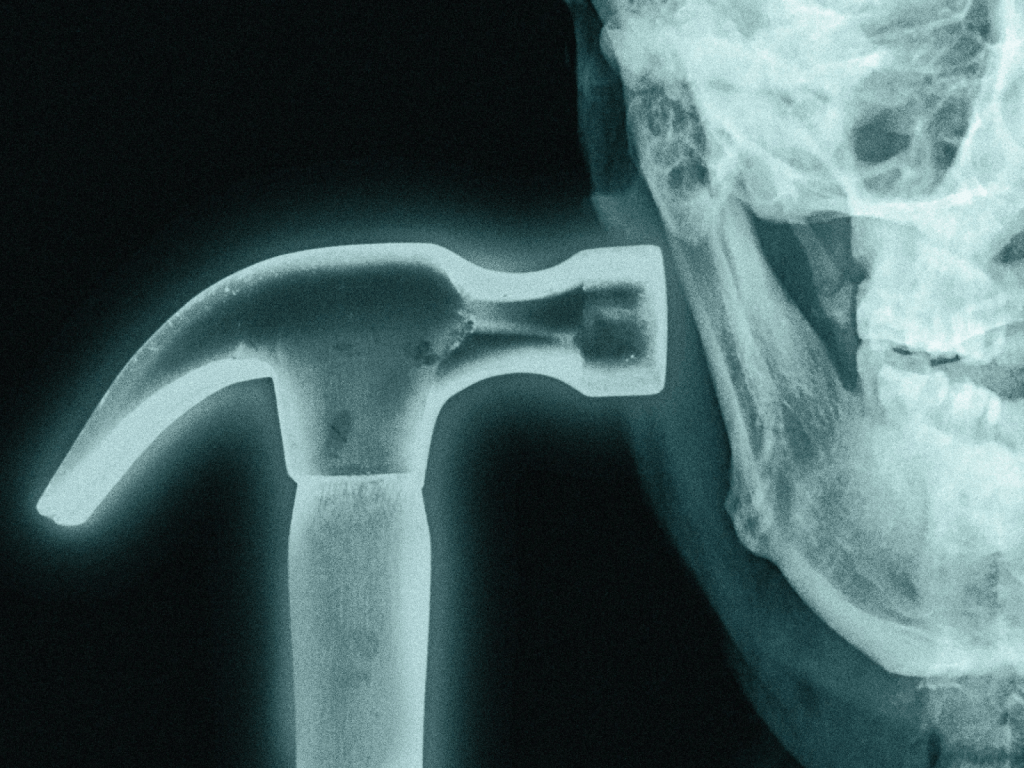
    We’re starting off with a scary-sounding and somewhat severe one. Bonesmashing is literally pummeling your facial bones–specifically those on your cheeks, chin, and jawline–with a hammer to alter your bone structure. Thanks to Wolff’s Law, many indulgers believe that the ‘bonesmashing’ changes the shape of their bones, therefore defining their faces. 

    In the nineteenth century, German surgeon Julius Wolff explored the observation that bones continuously reshape themselves as old, broken bones dissipate into the body and are replaced by new ones. Thus, he proclaimed that mechanical force and trauma to your bones can speed up the replacement process, making thicker bones; looksmaxxers adopted his theory, banking on the hope that those thick bones will appear more prominent and defined in their faces. 

    Charlie Sosnick / What is Bonesmashing? Inside the Extreme Looksmaxxer Technique / GQ

    Essentially, they hit their faces to break or ‘smash’ the bones and make new, chiseled ones. However, it really only makes them worse for the wear. The mechanical force Wolff discussed was really meant to mean exercising and lifting weights, not pummeling your face. While your bones may end up healing differently than before, you really don’t know that they’ll end up looking any better. Also, your facial appearance doesn’t just result from your bones. Tissues and organs could be irreversibly damaged, and pounding your skin could cause lesions that could easily get infected. Your nutrition and hormones also affect your bone health, so bonesmashing may not even do much at all. 

    Honestly, hurting yourself with whatever mallet you can find really isn’t worth it. Rather than ending up chiseled, it’s much more likely that your bones will reshape in unnatural looking ways or simply not change at all.

    Limb Lengthening Surgery

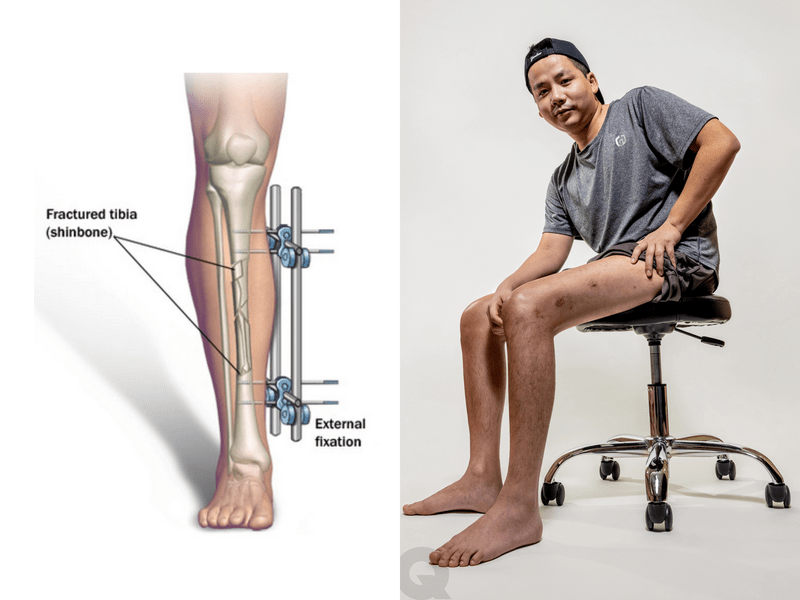
    Okay, this one is also intense! Limb lengthening surgery is a procedure in which a surgeon breaks the femur or tibia in a patient’s legs before putting a magnetic rod and pins inside the bone to ensure and manipulate a lengthened bone. Post-op, patients adjust the rod a little each day, stretching out the bone, muscles, tendons, skin, and arteries. Generally, limb lengthening surgery can make you up to six inches taller. Limb lengthening was first meant to fix leg length differences and misalignments from birth deformities, disease, and injuries. However, it has recently become a popular cosmetic surgery.

    Leg-lengthening surgery takes the world by storm / EastCoast Radio

    While many look at limb lengthening surgery and only see the promise of getting taller, you’re also sidelined for quite a while after surgery. You’d likely need extensive physical therapy to recover, and you could be unable to exercise- or even walk unassisted- for about twice as long as the months spent adjusting the rod. For instance, if you spent three months stretching your legs out, you’d spend another six months fully sedentary or, if you’re lucky, doing minimal walking with crutches and walkers. And of course, you’d need multiple follow-up appointments with your doctor. Jeez. 

    Other than being bored to death during the recovery phase, there are multiple risks associated with limb lengthening: blood clots; infection; damage to nerves and blood vessels; improper and misaligned bone healing; tightness; and the rod malfunctioning, causing you to need another surgery. 

    Of course, limb lengthening surgery is a terrific option for you if you really, really, want to get taller, or if it’ll correct leg length misalignments. However, you must be ready to undergo months of sedentariness, thorough physical therapy, numerous doctor appointments, and the aforementioned side effects and risks, which could require even more surgery or lead to severe health issues. 

    If you’re absolutely certain that this is the surgery for you, go for it! But if you have even an inkling of doubt, reevaluate whether all this pain is worth a couple inches.

    Haircuts

    Finally! We’ve made it to something a little more accessible and relevant for the average person. All over social media, influencers have been pushing the narrative that haircuts significantly change people’s perceptions of your attractiveness (think: that popular haircare line BASED, those obviously dramatized haircut transformations, and arguments over whether people’s natural hair colors suit them best). But is this true?

    In a study done by Nobert Mesko and Tamas Bereczkei, women’s faces were evaluated on femininity, youth, health, and sexiness when wearing six different hairstyles (short, medium-long, long, disheveled, in a bun, and unkempt) in comparison to faces that were bald (basic face). They found that only long and medium-long hair positively and significantly affected the evaluation rankings. Actually, the category that longer hair most affected was health—the male raters thought the women appeared more healthy with longer hair, even if they rated them lower on overall attractiveness. So, Mesko and Bereczkei theorized that because having longer hair is much more expensive than short (shampoo costs, haircuts, etc), it is associated with being more wealthy and having better genes. 

    Pretty interesting, right? Here’s a blog post that claims to know the correlation between haircuts and overall beauty. But remember—this is a blog, so it can’t really be trusted for anything more than basic observation skills. Pouya Zoghipour says hair color, length, and texture are the biggest factors. According to her, hair color comes with stereotypes, so you adopt those when meeting other people. About hair length, she doesn’t say what’s ‘best’ but believes that

    “Long hair is often associated with femininity and youthfulness, while shorter hairstyles can convey confidence and assertiveness.”

    Zoghipour also emphasizes that you must learn to understand and work with your natural hair texture, saying that

    “Curly hair is often seen as playful and energetic, while straight hair is perceived as sleek and sophisticated.”

    She has other tips, but these are her main three. 

    A Yale study, on the other hand, emphasized the correlation between your hair and your self-esteem. Think about it: if you wake up late with crazy hair and have no time to fix it, you’ll probably feel a little self-conscious all day, and you’ll probably be a little more reserved. You wouldn’t really be able to give as much energy and enthusiasm as you would on a day where, well, your hair looked fantastic and you felt fantastic. Look good, feel good, right? Plus, waking up late and not loving how your hair looks can often feel like the first sign of a bad day, so you can sometimes end up seeking out the inconveniences in your day.

    So, while your hair somewhat impacts how attractive others think you are, it can also impact how you feel and your outlook on your everyday life. You know, I’d agree with Zoghipour that learning to love and care for your hair can pay fantastic dividends!

    How Looksmaxxing Affects You, Not Just Your Face

    Although the aforementioned ‘look good, feel good’ phrase is real and working, I’d argue that finding comfort and joy in the way you look now is much more impactful than crushing up your facial bones or getting surgery for a few more inches of height. While such strategies can absolutely help your self-confidence, just accepting and loving who you are now is a better long-term solution and can also protect you from any impostor syndrome. 

    According to Oxford Languages, impostor syndrome is

    “the persistent inability to believe that one’s success is deserved or has been legitimately achieved as a result of one’s own efforts or skills.”

    I mean, a core belief of  looksmaxxing is that those who are attractive have life easier. If you only found happiness and success after changing yourself down to the bone, you might catch a little bit of impostor syndrome.

    And looking past how you see yourself, what about how you see others? When you fall so far down the rabbit hole of examining and picking apart yourself, when do you begin doing it to the people you see walking down the street? Personally, I already see looksmaxxers analyzing innocent teens’ lip syncs all over TikTok. Can you imagine doing that in real life?

    Of course, looksmaxxing is often just an odd and pretty comedic way to disguise attempts to better your appearance. However, in some cases, two funny bonesmashing videos can soon lead to two hours on the black pill side of the internet, and that can lead to an entire adolescence spent critiquing and completely changing yourself. So, proceed with caution, and remember that none of this is actually necessary. 


    References

    Lee, B. Y. (2023, October 2). ‘Bone smashing’ TikTok trend, here are dangers of hammering your face. Forbes. https://www.forbes.com/sites/brucelee/2023/09/28/bone-smashing-tiktok-trend-here-are-dangers-of-hammering-your-face/?sh=509590387a92 
    Limb lengthening surgery. (n.d.). Penn Medicine. https://www.pennmedicine.org/treatments/limb-lengthening 
    Martinez, M. (n.d.). Bone smashing doesn’t work. What to do instead. PerfectB. https://www.perfectb.com/does-bonesmashing-actually-work-a-doctors-guide-to-the-looksmaxxing-trend/ 
    Mesko, N., & Bereczkei, T. (2004). Hairstyle as an adaptive means of displaying phenotypic quality. Human nature (Hawthorne, N.Y.), 15(3), 251–270. https://doi.org/10.1007/s12110-004-1008-6
    Sarah. (n.d.). The importance of hair in making a first impression. Belgravia Centre. https://www.belgraviacentre.com/blog/the-importance-of-hair-in-making-a-first-impression 
    Zoghipour, P. (2024, August 24). Does hairstyle affect attractiveness? Sabanci University. https://myweb.sabanciuniv.edu/pouyazoghipour/2024/08/24/does-hairstyle-affect-attractiveness/ 

  • Science Behind Drugs

    Science Behind Drugs

    By Charlotte Lee

    ~ 8 minutes


    What are Drugs?

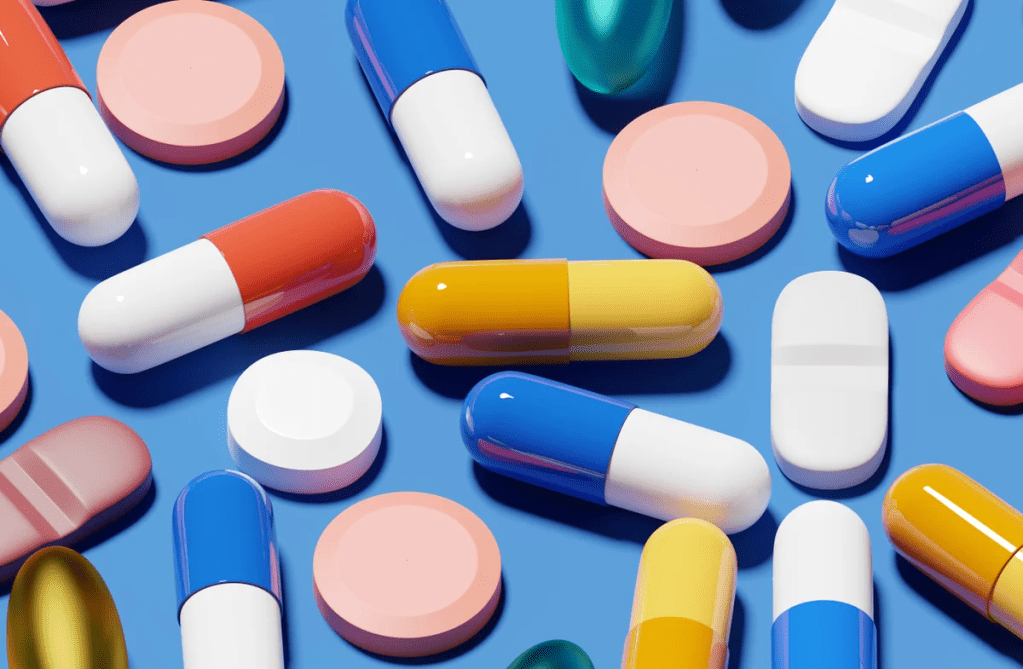
    • Drugs are chemical substances that can alter or affect the structure or function of the body.
    • They can be used for medicinal purposes or recreational purposes, as well as be addictive or non-addictive.
    • They can be classified as stimulants, depressants, opioids, hallucinogens, cannabinoids, and inhalants.

    Why are Certain Drugs Addictive?

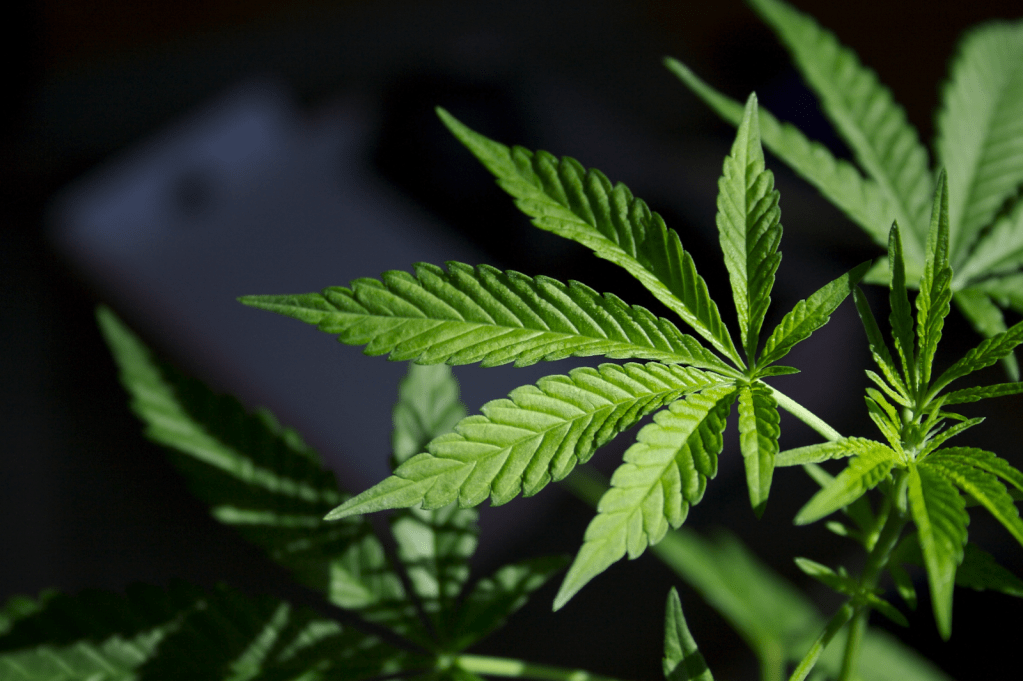
    Drugs interfere with the ways that neurons interact with neurotransmitters. Some drugs, like marijuana, mimic the neurotransmitters in the brain, which allows them to activate certain neurons. 

    Marijuana is a type of cannabinoid, which is a class of chemical compounds from the cannabis plant that originated in Asia. The cannabis plant was first used to make ropes and textiles, but was later used for medicinal and spiritual purposes. Additionally, they can be medicinal, psychoactive, or non-psychoactive and stay in the body for 3-4 days after use. 

    THC, which is the main active component in marijuana, binds to the cannabinoid receptors in the brain. This binding mimics neurotransmitters and triggers a release of dopamine, and increased use of marijuana leads to more dopamine being released, creating a reinforcement loop that leads to addiction.

    Medical marijuana / Harvard Health Publishing / Harvard Medical School

    Although the chemicals in the drugs mimic the neurotransmitters, they are not exactly the same. This causes them to send abnormal messages and, in the case of some drugs like heroin, send an increase of dopamine because they bind to and activate opioid receptors. This also blocks the transmission of pain and causes a large amount of pain relief. Additionally, it can lead to dependence because it causes the brain to reduce the number of endorphins and the sensitivity of opioid receptors. Over time, the brain and body become dependent on external stimulants like heroin to feel any sense of happiness.

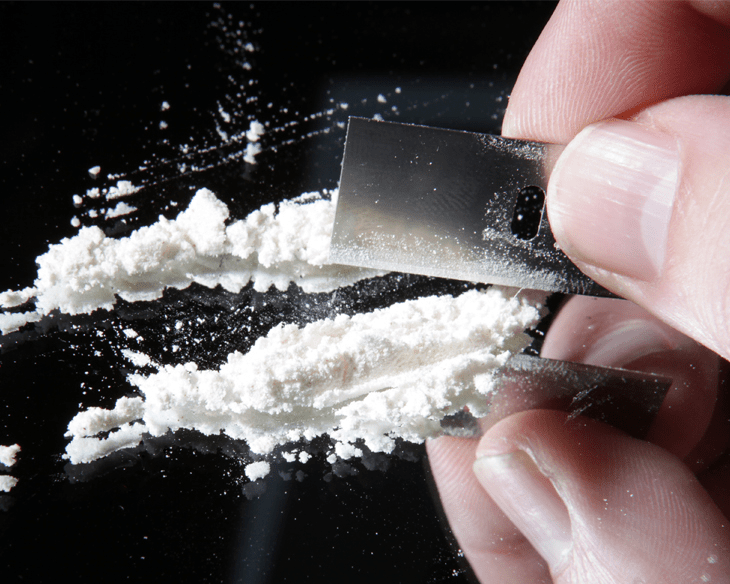
    Heroin, another narcotic, is a very strong, highly addictive drug that comes from morphine, which is extracted from a part of the opium plant. It can cause severe withdrawal symptoms, overdose, liver and kidney disease, and many other negative side effects. Heroin can come in the form of a white or brownish powder, or a black, sticky substance. It is typically injected, snorted, or smoked and considered a Schedule I controlled substance in the U.S. and most other countries. That means that the drug is illegal, has a high potential for abuse, and is not accepted for any type of medical use.

    Cocaine, another popular narcotic, comes from the leaves of a coca plant, native to South America, most commonly, Colombia, Peru, and Bolivia. Traditionally, people in the Andes chewed or brewed coca leaves as a medicine and stimulant; however, industrial processing has made their effects more potent, creating a drug trade. Cocaine is highly addictive and can cause serious health concerns like depression, bleeding in the lungs, and inflammation. Cocaine is illegal in the US, as it hijacks the brain’s reward system, causing a flood of dopamine and other neurotransmitters, but it can be used for medical purposes with restrictions. Over time, the brain and body become dependent on cocaine to feel any sense of happiness.

    New Ingredient in Cocaine Vaccine Shows Promise in Mouse Study / Duke Health

    These drugs affect the ganglia, a part of the brain responsible for relaying pleasurable effects and forming routines. The over-stimulation of a nerve cluster can lead to a feeling of euphoria or a dopamine release. The large amounts of dopamine make the brain connect drugs to the good feeling and teach the brain to continue using drugs. However, the ganglia are also the reason the drug’s high fades over time, as they adapt to its constant presence and become less sensitive to its effects.

    Drugs are more addictive than natural activities that release dopamine, like working out, because drug misuse can lead to fewer neurotransmitters being released in general. This makes a person’s overall ability to feel pleasure for regular activities lower, making them feel flat or unmotivated in general. This also leads to people needing more and more drugs to feel a normal level of reward.

    While many drugs are plant-derived and addictive, the rise of synthetic drugs is creating an unprecedented danger due to unnatural chemicals increasing the potency and unpredictability of the drug.

    QUICK CAUTIONS: Synthetic Drugs

    • They are often illegal and have very little quality control, which makes the potency and effects of the drug unpredictable.
    • Synthetic drugs are easily contaminated with other hazardous materials, poisons, or drugs. Untested stimulants and chemicals may also exist in the drug, where the long-term side effects are unknown. For example, many drugs are often laced with the synthetic drug fentanyl, which is very strong and can increase the high, causing consumers to keep buying the drug. However, fentanyl is extremely deadly and a little amount can be fatal, leading to an increase in overdose deaths.
    • Manufacturers constantly modify the chemical structure of the drugs to increase the high and addictiveness of the drug as well as evade authorities. This also makes it harder for medical professionals to treat overdoses or reactions because they are not familiar with the drug.
    • Synthetic drugs are often sold under misleading names with colorful packaging to evade authorities, which can lead to accidental consumption. For example, Spice and K2 are common names for a lab-made drug that mimics the THC in marijuana by mimicking marijuana’s chemical structure. It is often sold under the name of herbal incense or potpourri to sound more enticing and evade authorities.
    Synthetic drugs: Don’t ‘spice’ it up / Joint Base Langley-Eustis

    References

    Australian Government. (2019, July 17). What Are Drugs? Australian Government Department of Health and Aged Care; Australian Government. https://www.health.gov.au/topics/drugs/about-drugs/what-are-drugs
    Better Health Channel. (2019). Synthetic drugs. Better Health Channel. https://www.betterhealth.vic.gov.au/health/HealthyLiving/synthetic-drugs
    Content Background: Why Do Plants Make Drugs? – PEP. (n.d.). https://sites.duke.edu/thepepproject/module-5-why-do-plants-make-drugs-for-humans/content-background-why-do-plants-make-drugs/
    DEA. (2021). Coca. Museum.dea.gov. https://museum.dea.gov/exhibits/online-exhibits/cannabis-coca-and-poppy-natures-addictive-plants/coca
    Karimi, A., Maedeh Majlesi, & Mahmoud Rafieian-Kopaei. (2015). Herbal versus synthetic drugs; beliefs and facts. Journal of Nephropharmacology, 4(1), 27. https://pmc.ncbi.nlm.nih.gov/articles/PMC5297475/
    Manual, B. (2014, October 17). Marijuana’s History: How One Plant Spread Through the World. Live Science; Live Science. https://www.livescience.com/48337-marijuana-history-how-cannabis-travelled-world.htm
    National Center for Complementary and Integrative Health. (2019). Cannabis (Marijuana) and Cannabinoids: What You Need to Know. NCCIH. https://www.nccih.nih.gov/health/cannabis-marijuana-and-cannabinoids-what-you-need-to-know
    Understanding the language of addiction. (2019, June 26). Harvard Health. https://www.health.harvard.edu/mind-and-mood/understanding-the-language-of-addiction


  • The Science Behind Flow State

    The Science Behind Flow State

    By: Maggie Wright

    ~ 3 minutes


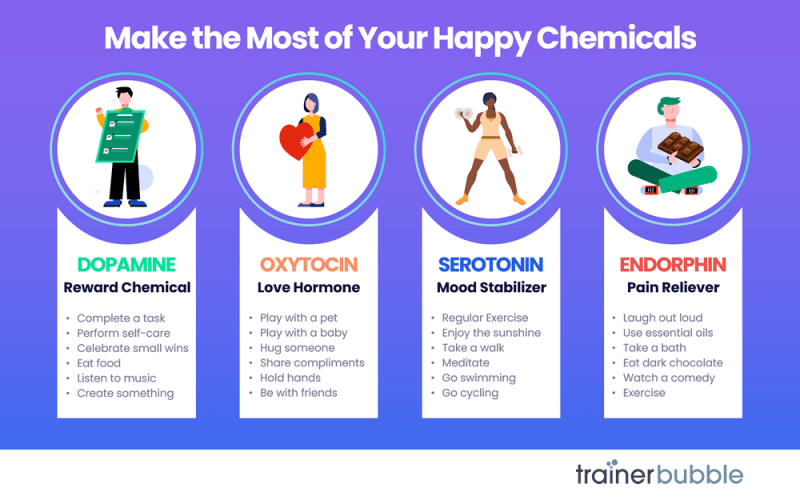
    Recently, the phrase ‘flow state’ has gone viral on social media, but most people have no clue what’s actually happening in the brain. Creative outlets for your brain start with the flow state, a mental state you can enter during creative activities like art, dance, writing poetry, or even giving a creative speech. When you are fully immersed in what you’re doing, the mind becomes deeply focused and present. This experience is known as the flow state.

    Being in this state can trigger the release of feel-good chemicals such as dopamine, which is associated with pleasure and reward. These chemicals positively affect your brain chemistry and help bring it into balance. The more often you engage in creative activities that lead you into this flow state, the more positive the effects on your mental and emotional health.

    Make the Most of Your Happy Chemicals – Wellbeing Infographic / Trainer Bubble ©

    Routine also plays an important role in achieving flow state. While the brain may become bored with repetition, the discipline of regularly doing creative work helps maintain the steady release of beneficial brain chemicals. Over time, this habit becomes a powerful tool for supporting emotional stability and improving overall brain function. It can also increase your capacity to learn and help you stay in a more positive mood. Your brain is like a muscle that can grow and change with use. Just as going to the gym strengthens your body, creative outlets help strengthen your brain. Whether you’re solving mental math problems, dancing, writing, or painting, these activities exercise the brain in meaningful ways, and with time, you will begin to notice progress in your thinking, mood, and emotional resilience.

    Creative outlets are not just helpful in the long-term, they also provide temporary support. These outlets allow you to process emotions, deal with stress or trauma, and reflect on your day in a positive way. This results in a clear headspace and a more productive day.

    Engaging in creative activities can calm the amygdala, which is the part of the brain responsible for the fight-or-flight response. When you’re feeling anxious or stressed, the amygdala becomes highly active. Creative work signals to the brain that you’re safe, which helps reduce that activation and gives you a sense of relief and clarity. Incorporating creativity into your life is more than just enjoyable, it’s a powerful way to support your mental health and help your brain thrive.


    References

    Freepik. (n.d.). Psychology concept – Sunrise and dreamer woman silhouette [Digital image]. Freepik. https://www.freepik.com/premium-photo/psychology-concept-sunrise-dreamer-woman-silhouette_18124911.htm
    Jean-Berluche, D. (2024). Creative expression and mental health. Journal of Creativity, 34(2), 100083. https://doi.org/10.1016/j.yjoc.2024.100083 ScienceDirect
    Kumar, V. et al. (2024). Creative pursuits for mental health and well-being. PMC
    Suttie, J. (2018, July 11). Where does happiness reside in the brain? Greater Good Science Center. https://greatergood.berkeley.edu/article/item/where_does_happiness_reside_in_the_brain 
    The Role of Handmade Crafts in Mental Health and Self-Care. (2023, January 25). Awesome Pattern Studio. https://awesomepatternstudio.com/blog/blog/the-role-of-handmade-crafts-in-mental-health-and-self-care/ Awesome Pattern Studio
    Trainer Bubble. (n.d.). Make the most of your happy chemicals – Wellbeing infographic [Infographic]. Trainer Bubble. https://www.trainerbubble.com/make-the-most-of-your-happy-chemicals-wellbeing-infographic/ 
    UCLA Health. (2025, May 15). 3 proven health benefits of having a hobby. https://www.uclahealth.org/news/article/3-proven-health-benefits-having-hobby UCLA Health

  • ‘The Second Brain’ The Gut Microbiome’s Effect on Your Mental Health

    ‘The Second Brain’ The Gut Microbiome’s Effect on Your Mental Health

    By Gianna Lee

    ~ 4 minutes


    Every year, in the United States, millions are diagnosed with schizophrenia, autism, and depression . These disabilities severely hinder people’s way of living, therefore, it is crucial for us to find ways to prevent individuals from suffering. In the past few years, research has shown that the gut has a significant connection with your brain.

    The ENS

    The ENS (enteric nervous system) is what some researchers call your “second brain.” It is composed of two layers that have hundreds of millions of nerve cells that dictate your mood shifts. Located in the gut, this system efficiently communicates with the central nervous system, connecting your mind and body.

    The ENS sends signals to your brain via the gut-brain axis. For example, when the gut signals hunger, the brain sends out a stressor leading to your blood sugar dropping, which makes you frustrated or irritated. This shows that the brain and gut are in constant communication, which can be linked to mental illness.  With this logic, we can understand that while microorganisms within the gut can prevent mental illness, others can cause them.

    In cases of Schizophrenia, clinical research has shown similarities within the gut between patients; 8 cases of Schizophrenia found that their gut contained similar gut microbiota such as: Lactobacillus, Enterococcus, and Bifidobacterium. Scientists then prescribed probiotics to these patients which reduced inflammation and contributed to a better state and overall mood.

    The Mind and Gut’s Relationship

    While research is still being developed regarding the link between the two, findings are piling up in order to help us understand the relationship between the gut and mind.

    In order to maintain a healthy gut and mindset, there are a few ways to keep yourself healthy. You are what you eat. Your diet is a major factor for a healthy gut, so nourishing your gut with a diverse and balanced diet can feed bacteria, allowing for an improved mood! Some healthy nutrition options include probiotics such as: kimchi, kefir, and other fermented items, as well as  prebiotics like green vegetables, legumes, whole grains, and nuts.

    Additionally, ways to completely treat mental illness are still being discovered. A process called “Faecal microbiota transplant” has recently been found to be a possible cure. The process allows  donors with healthy guts to donate stool to patients suffering from infected colons. This process is usually used to treat infection, however, studies were done that found out a few cases of clinical depression were cured through this process. 

    To sum it up, the gut microbiome may not seem like much, however it does play a significant role in mental health. The link between the two is still being studied to this day, with new findings revealing that treatments may cure existing mental illness. As of now, the current best way to maintain a healthy mental state is to ensure a healthy diet. Hopefully, one day we will be able to cure mental illness through these ground breaking discoveries, and when that happens, I will be here to report it!


    References

    GBD 2019 Mental Disorders Collaborators. (2022). Global, regional, and national burden of 12 mental disorders in 204 countries and territories, 1990–2019: A systematic analysis for the Global Burden of Disease Study 2019. The Lancet Psychiatry, 9(2), 137–150. https://doi.org/10.1016/s2215-0366(21)00395-3
    Health, N. (2025). The gut-mental health connection: How to improve both for overall well-being. Nuvance Health. https://www.nuvancehealth.org/health-tips-and-news/the-gut-mental-health-connection
    Johns Hopkins Medicine. (2019). The brain-gut Connection. John Hopkins Medicine. https://www.hopkinsmedicine.org/health/wellness-and-prevention/the-brain-gut-connection
    Li, Z., Tao, X., Wang, D., Pu, J., Liu, Y., Gui, S., Zhong, X., Yang, D., Zhou, H., Tao, W., Chen, W., Chen, X., Chen, Y., Chen, X., & Xie, P. (2024). Alterations of the gut microbiota in patients with schizophrenia. Frontiers in Psychiatry, 15, 1366311. https://doi.org/10.3389/fpsyt.2024.1366311
    Morrow, R. (2021, November 17). 9 Soulicious Soup Recipes. Foodmatters.com; Food Matters. https://www.foodmatters.com/recipe/9-soulicious-soup-recipes

  • Your Kitchen; Your Chem Lab!

    Your Kitchen; Your Chem Lab!

    By Kathleen Jiang 

    ~4 minutes


    Cooking is instrumental in everyone’s life. Think about how many times you’ve eaten today! Eggs for breakfast, milk as a drink, pirate booty’s as a snack, mac n cheese for lunch, and pizza for dinner. We all spend minutes, even hours of our lives simply deciding what foods to eat, but have we ever dug deeper into  what chemicals we’re eating? After all, cooking is chemistry and something has to keep that twinkie immortal! In this article, we will take out our detective gloves to examine what we’re really putting in our bodies, then uncover the history of cooking, and finally discover the impact of cooking on American culture.

    Let’s head to the lab! When looking at a typical American kitchen, you’ll notice a trend of processed foods such as deli meat, sauces, and pastas. This happens because processing often alters the food, leading to a sharp increase in sugars, sodium, and calories. While  processing itself is not inherently bad, the abundance of ultra processed foods (a certain kind of extremely unhealthy processed food with abundant fats, calories, and salts) has been linked to higher cancer risk. This is due to the production process which often adds additives or strips nutrients from the food. While most foods undergo some kind of process, this article will refer to ultra processed foods such as packaged snacks, bread, cereal, processed meat, condiments, sweets and alcoholic beverages, and candies and desserts. 

    Ultra Processed Foods / Unhealthy Snacks in a Cart / Public Domain Media / Picryl ©

    Processed foods such as cheese, noodles, and even oil have always existed as a main staple in ancient diets. As food has evolved, new processing techniques such as the invention of hermetling bottling in 1809 has led to widespread canning and tinning, while Louis Pasteur’s discovery of  pasteurization in 1864 inadvertently caused the increasing popularity of processed foods. During World War I, the convenience of processed food continued to remain relevant, as people rapidly advanced machinery creating  microwaves and blenders, and sought food that was nutritionally dense to fight malnutrition and disease. In the modern age, the most recent rise of processed foods is credited to food marketing. Fast food companies spend billions of dollars in marketing each year, and according to wildhealth.com, in 2017, 80% of their ads focused on candy, snacks, and fast food which are all ultra-processed foods (UPFs).

    Bright. Colorful. Iconic. Everyone has fallen for the sugary promises without realizing they are being preyed on by these advertisers.

    Louis Pasteur Experiment / Wikimedia Commons ©

    Label marketing has also had a detrimental effect on the food industry. The FDA sets standards that companies must abide by, however many of these standards are outdated and the 1994 definition of “healthy” to be placed on food products was changed only three years ago which resulted in limits being set for the amount of fat, cholesterol, and sodium in a product.

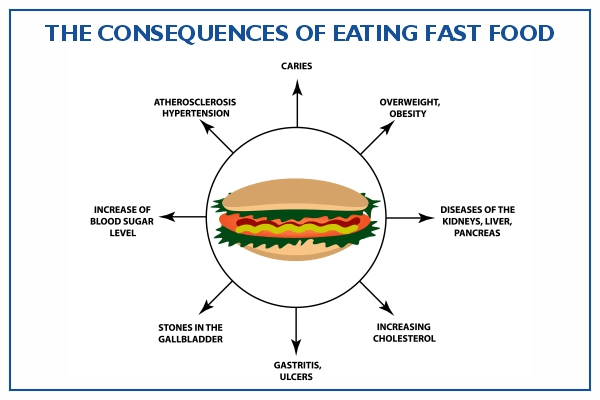
    We may sacrifice nutrition for convenience, but these unhealthy habits are linked to 30+ health conditions and are proven to increase  risk of complications such as cardiovascular disease, cancers, obesity, and type 2 diabetes. As Dr. Devies puts it “Ultraprocessed foods are better at preserving shelf life than human life.” Data shows that 57% of adult diets and 67% of children’s diets consist of ultra-processed foods. The laboratory may create a product that has an excellent appeal, and a long shelf life, but do not be fooled. It is devoid of the important nutrients that our bodies actually crave.

    Curbing Intake of Processed Foods / Think IAS Think Drishti ©

    Can you name 5 ingredients in a cheetos bag? Processed foods have become a major component in many American diets contributing to the obesity and overweight crises which sever our connection to the natural foods that our ancestors ate. While eating junk may be more convenient, the physical effects will catch you in the long run.


    References

    Berg, S. (2024, November 8). What doctors wish patients knew about Ultraprocessed Foods. American Medical Association. https://www.ama-assn.org/public-health/prevention-wellness/what-doctors-wish-patients-knew-about-ultraprocessed-foods
    Drishti IAS. (2024, April 24). Curbing intake of Processed Foods. https://www.drishtiias.com/daily-updates/daily-news-editorials/curbing-intake-of-processed-foods
    The rise of processed foods in the United States. RSS. (n.d.). https://www.wildhealth.com/blog/everything-to-know-about-the-rise-of-processed-foods-in-the-united-states 
    Thomme, G. V. (n.d.). 7 examples of processed food. MD Anderson Cancer Center. https://www.mdanderson.org/cancerwise/7-examples-of-processed-food.h00-159621801.html


  • Chemical Pollution: A Threat to Global Health and Ecosystems

    Chemical Pollution: A Threat to Global Health and Ecosystems

    By Amy Yan

    ~4 minutes


    Scientists have recently declared chemical pollution an environmental threat as severe as climate change. Specifically, chemical pollution is the contamination of air, land, or water with high levels of unnatural substances, or pollutants. As these chemical pollutants continue to quickly spread throughout the globe, the multitude of risks they pose is only growing.

    The Severity of Chemical Pollution

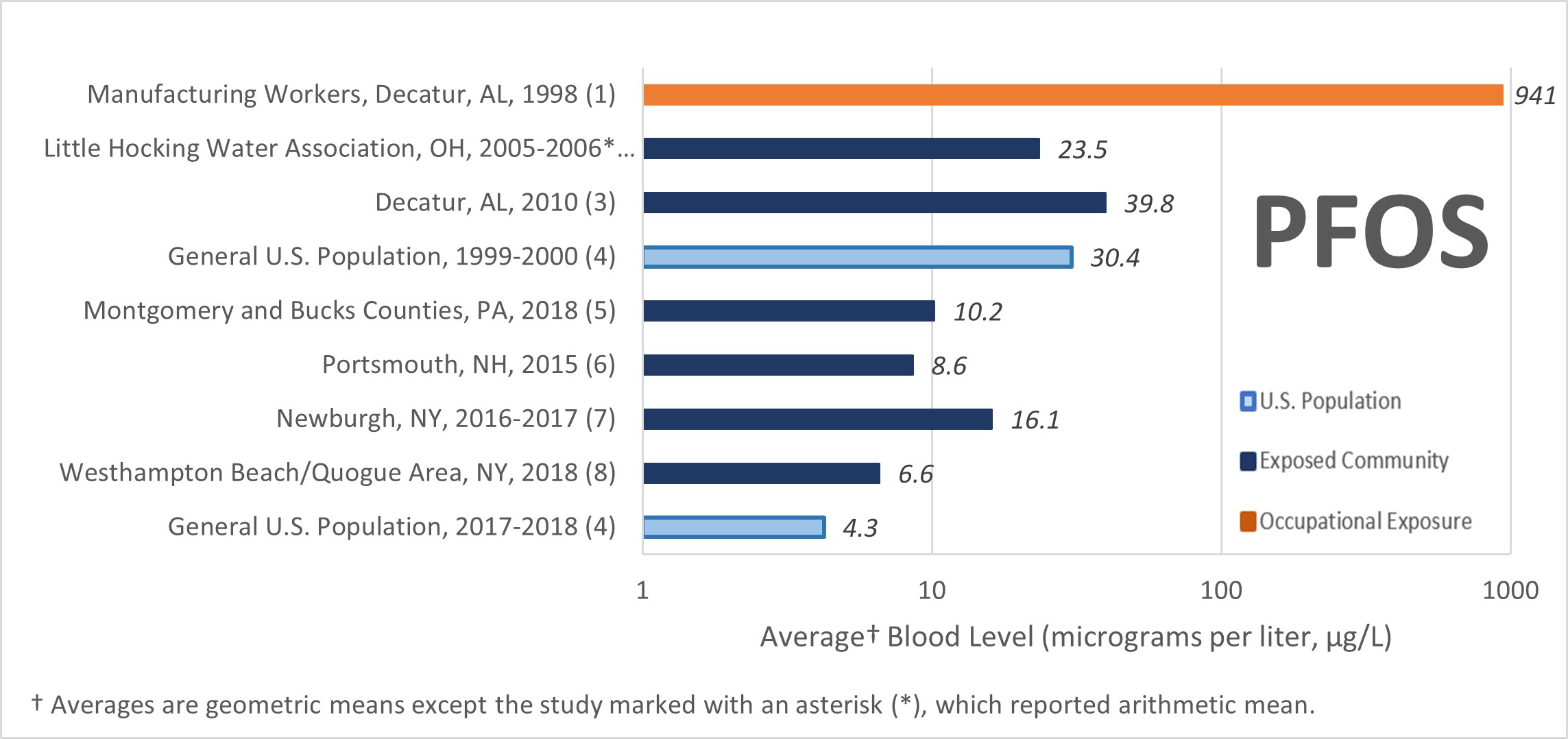
    The severity of chemical pollution is emphasized by the wide range of substances it encompasses and their persistence in the biosphere. Examples of chemical pollutants include volatile organic compounds (VOCs), heavy metals, air contaminants, persistent organic pollutants (POPs), pesticides, and PFAS (per- and polyfluoroalkyl substances), to name a few. Most of these chemicals do not break down over time; instead, they accumulate year after year, causing lasting damage to the Earth. They are found in everything from rivers to livestock, and according to the CDC, PFAS have been detected in the bloodstreams of about 97% of Americans. This is a global problem, too; a 2025 study conducted in Bihar, India, revealed that nearly 90% of children and 80% of pregnant women tested in the state had unsafe amounts of lead in their blood. Furthermore, the poor regulation of industrial waste and aging infrastructure in many regions of Africa and Southeast Asia allows toxic metals such as lead and mercury to contaminate drinking water and agricultural soil.

    PFOS (a specific type of PFAS) levels for various populations / Center for Disease Control ©

    Scientists have warned that chemical pollution has already crossed the limit for what is safe. The volume of synthetic chemicals currently in circulation has far exceeded the Earth’s capacity to manage them safely, and the sheer variety of synthetic compounds, over 350,000 globally, makes regulation nearly impossible without extensive global action.

    Effects on Health & Ecosystems

    For humans, exposure to chemical pollutants can cause cancer, sterility, developmental diseases, immune system damage, and disruption of brain and hormone function. Columbia University’s School of Public Health covered several significant ways chemical pollutants harm the body: DNA damage, genomic alterations and mutations, disrupted development in children, mitochondrial dysfunction, interference with regular bodily functions, endocrine disruption, increased susceptibility to allergies and infections, hindered neurotransmission, and impaired nervous system function.

    As for the environment, PFAS have been detected in livestock, fish, and crops, affecting food safety and biodiversity. Chemical spills pollute rivers and seas, killing aquatic life and disrupting ecosystems. Soil contaminated with pollutants becomes infertile, reducing agricultural efficiency.

    What’s Being Done

    Though serious, attempts to rectify the situation have been slow-going. The United States’ Environmental Protection Agency has recently introduced stricter drinking water standards for PFAS, with limits in the parts-per-trillion range. Several states have launched lawsuits against chemical manufacturers in order to force them to fund cleanup efforts. Meanwhile, in Europe, policymakers are moving to ban classes of harmful chemicals instead of regulating them one by one, a necessary approach given the scope of the crisis, according to scientists. The UN has begun negotiations for a plastics and associated chemicals treaty, which would be the first major international agreement to limit harmful substances since the Montreal Protocol on ozone-depleting chemicals in 1987. Moreover, researchers are in the process of developing technology aiming to destroy PFAS molecules previously thought to be indestructible.

    Mobile version of Battelle’s PFAS Annihilator technology / Battelle ©

    Even so, progress can be unsteady and quite slow. Many poorer nations lack the infrastructure to monitor chemical pollution as well as the political power to hold corporations accountable for any potential damage they cause.

    Since these chemicals can be found everywhere, phasing them out requires a great deal of effort, starting with change on a systematic scale.


    References

    Boztas, S. (2024, January 4). The race to destroy the toxic “forever chemicals” polluting our world. The Guardian. https://www.theguardian.com/environment/2024/jan/04/the-race-to-destroy-the-toxic-forever-chemicals-polluting-our-world
    Carrington, D. (2022, January 18). Chemical pollution has passed safe limit for humanity, say scientists. The Guardian. https://www.theguardian.com/environment/2022/jan/18/chemical-pollution-has-passed-safe-limit-for-humanity-say-scientists
    Centers for Disease Control and Prevention. (2024, November 12). Fast facts: Pfas in the U.S. population. ATSDR. https://www.atsdr.cdc.gov/pfas/data-research/facts-stats/index.html
    Eight ways chemical pollutants harm the body. Columbia University Mailman School of Public Health. (2021, March 8). https://www.publichealth.columbia.edu/news/eight-ways-chemical-pollutants-harm-body
    Gayle, D. (2025, August 6). Chemical pollution a threat comparable to climate change, scientists warn. The Guardian. https://www.theguardian.com/environment/2025/aug/06/chemical-pollution-threat-comparable-climate-change-scientists-warn-novel-entities
    Hogue, C. (2021, December 29). Pfas destruction technologies are starting to emerge. Chemical & Engineering News. https://cen.acs.org/environment/persistent-pollutants/PFAS-destruction-technologies-starting-emerge/100/i1
    TOI. (2025, August 11). Study finds widespread lead poisoning among children and pregnant women in bihar: Patna news – times of India. The Times of India. https://timesofindia.indiatimes.com/city/patna/study-finds-widespread-lead-poisoning-among-children-and-pregnant-women-in-bihar/articleshow/123222254.cms