About

Tag: water

  • The Green Price of Intelligence

    The Green Price of Intelligence

    By Summer Chen

    ~ 6 minutes


    Over the past three years, a rush of excitement has emerged globally regarding artificial intelligence. In a student’s everyday life, discussions about artificial intelligence arise frequently- whether about the potential benefits of generative AI, using ChatGPT on homework assignments, or seeing AI’s growing presence on social media platforms like TikTok. 

    Claims that AI holds significant potential in the development of society and technology are impossible to ignore, with AI occupying numerous sectors seen throughout daily life. In fact, when I began writing this article, even clicking enter on a google search titled “Impact of AI on climate change” immediately caused an AI overview to pop up unprompted.  

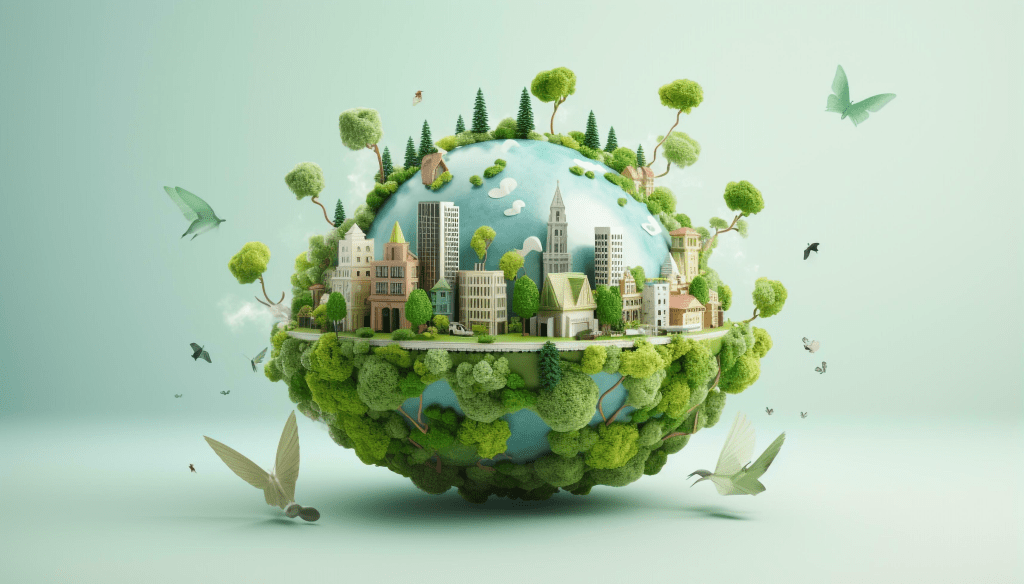
    AI generated images / The Economic Times India

    While the environmental repercussions of AI usage cannot be ignored, to deny the multitude of potential benefits from artificial intelligence would be absurd. Instead, it makes more sense that the use of (mostly generative) AI for recreational purposes is the issue– hundreds of thousands of people contribute to this environmental impact, not realizing that even a short prompt into ChatGPT has been proven by the International Energy Agency to equate to 4-10x the amount of energy that just one Google search consumes.

    There are four key problems attributed to why AI can cause widespread harm to our environment. First, the mining required to extract critical minerals and rare earth elements for the microchips that power AI is incredibly destructive to the environments where these resources are found. Navigating New Horizons confirms this, stating,

    “[The minerals and elements] are often mined unsustainably”.

    The second is that AI servers are held in data centers which produce a shocking amount of electronic waste. They also contain hazardous substances such as mercury and lead, according to the United Nations Environment Program (UNEP). This is harmful because when they are (often) disposed of improperly, the wildlife, soil, air, and water around it are contaminated. 

    Thirdly, these AI data centers use preposterous amounts of electricity and energy, due to advanced technology seen in these models. Therefore, the energy used in most of these data centers comes from fossil fuels which produce greenhouse gases that further contribute to global warming. Research by the University of Nottingham shows that by 2026, AI data centers will likely account for nearly 35% of Ireland’s energy consumption. Added effects to climate change are something that we simply can’t afford currently, with the already increasing rate of rising global temperatures.  

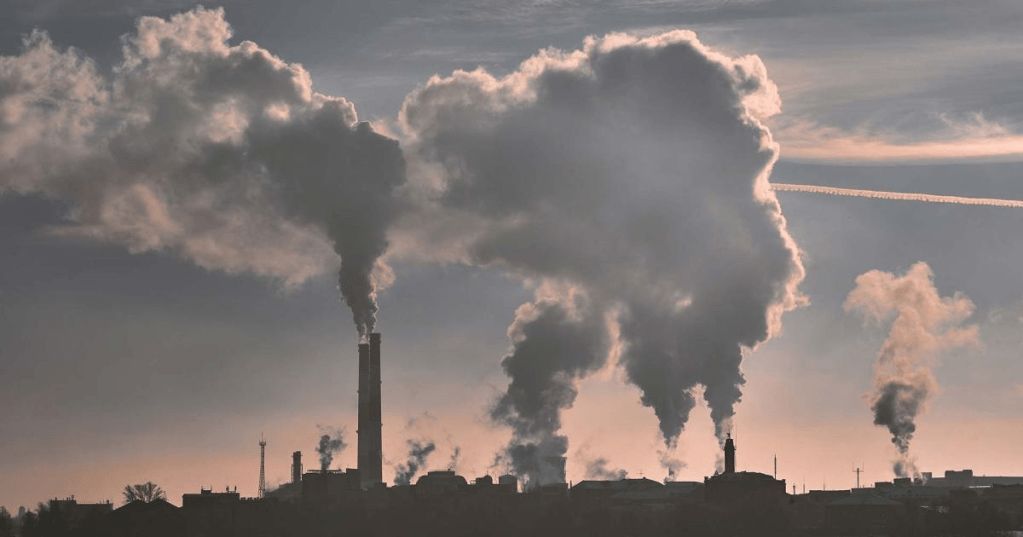
    Pollution due to Elon Musk’s AI data center in Memphis / NAACP

    Finally, and most of all, data centers consume a colossal amount of water, not only to construct but also to cool electrical components of AI. Chilled water absorbs heat from computing equipment. This water does not return to the water cycle; most of it is gone forever when used to cool these heated data centers. The centers use mechanical chillers which carry heat away from the servers, releasing it through a condenser, and so the water becomes water vapor where it does not cycle back through treatment systems like in a typical household. Even though some of it returns as rainfall, a majority of vapor in the air cannot be recovered. Not only this, but data centres are often located near locations which are already prone to droughts, which gives the inhabitants of this area even less access to water. This is a huge problem when a quarter of humanity already lacks access to clean water and sanitation. MIT News tells us that for every single kilowatt hour of energy a data center consumes, it would need two entire liters of water for cooling. It is an atrocity to restrict so much life from access to clean water and instead use it on generating ‘a cartoon version of me’ or asking ChatGPT to write a quick email that could be written by the individual in just two minutes instead.  

    The impacts of these contributors on climate change are immense. It also doesn’t help that generative AI models have an extremely short shelf-life as AI companies such as ChatGPT and DeepSeek consistently deliver new models, provoked by rising demand for new AI applications. So, the energy used to train previous models goes to waste every few weeks, and new models use even more energy because they are more advanced than the previous ones. Sure, one person using Perplexity AI doesn’t do much to the environment, but if everyone follows this logic, the large scale of people using AI results in terrible repercussions.

    On the other hand, popular articles repeat that because “500ml of water are used for every 20-50 ChatGPT prompts, not every prompt”, the amount of energy that ChatGPT uses is not that significant. However, like govtech.com states, even if 500ml sounds small, combined with the 122 million people who use ChatGPT daily, this is a lot of water that is wasted for purposeless reasons. AI’s energy use has exploded only because AI has exploded. It is not that each prompt uses a significant amount of energy, but that AI has had an explosive growth being the quickest adopted technology ever, therefore the energy adds up to be significant through the sum of people using AI. 

    As a society, we have to acknowledge that even though AI provides us an abundance of opportunities and ideas for our modern world, we must not forget the consequences to the already declining environment that overuse brings. We should take into consideration that life would most likely not be worse without generative AI for the average person. We should take into consideration that the tradeoff of mindless entertainment and having ChatGPT search for basic facts is worth a better chance at restoring our Earth. And ultimately, we should simply refrain from using AI for recreational reasons unless the purpose is absolutely urgent and necessary.  


    References

    After Ghibli art trend, Barbie Box Challenge breaks the internet: How to create your ai doll avatar?. The Economic Times. (n.d.). https://economictimes.indiatimes.com/magazines/panache/after-ghibli-art-trend-barbie-box-challenge-breaks-the-internet-how-to-create-your-ai-doll-avatar/articleshow/120257077.cms?from=mdr
    Elon Musk’s Xai threatened with lawsuit over air pollution from Memphis Data Center, filed on behalf of NAACP. NAACP. (2025, June 17). https://naacp.org/articles/elon-musks-xai-threatened-lawsuit-over-air-pollution-memphis-data-center-filed-behalf
    GovTech. (n.d.). About Us. GovTech. https://www.govtech.com/about 

  • Chemical Pollution: A Threat to Global Health and Ecosystems

    Chemical Pollution: A Threat to Global Health and Ecosystems

    By Amy Yan

    ~4 minutes


    Scientists have recently declared chemical pollution an environmental threat as severe as climate change. Specifically, chemical pollution is the contamination of air, land, or water with high levels of unnatural substances, or pollutants. As these chemical pollutants continue to quickly spread throughout the globe, the multitude of risks they pose is only growing.

    The Severity of Chemical Pollution

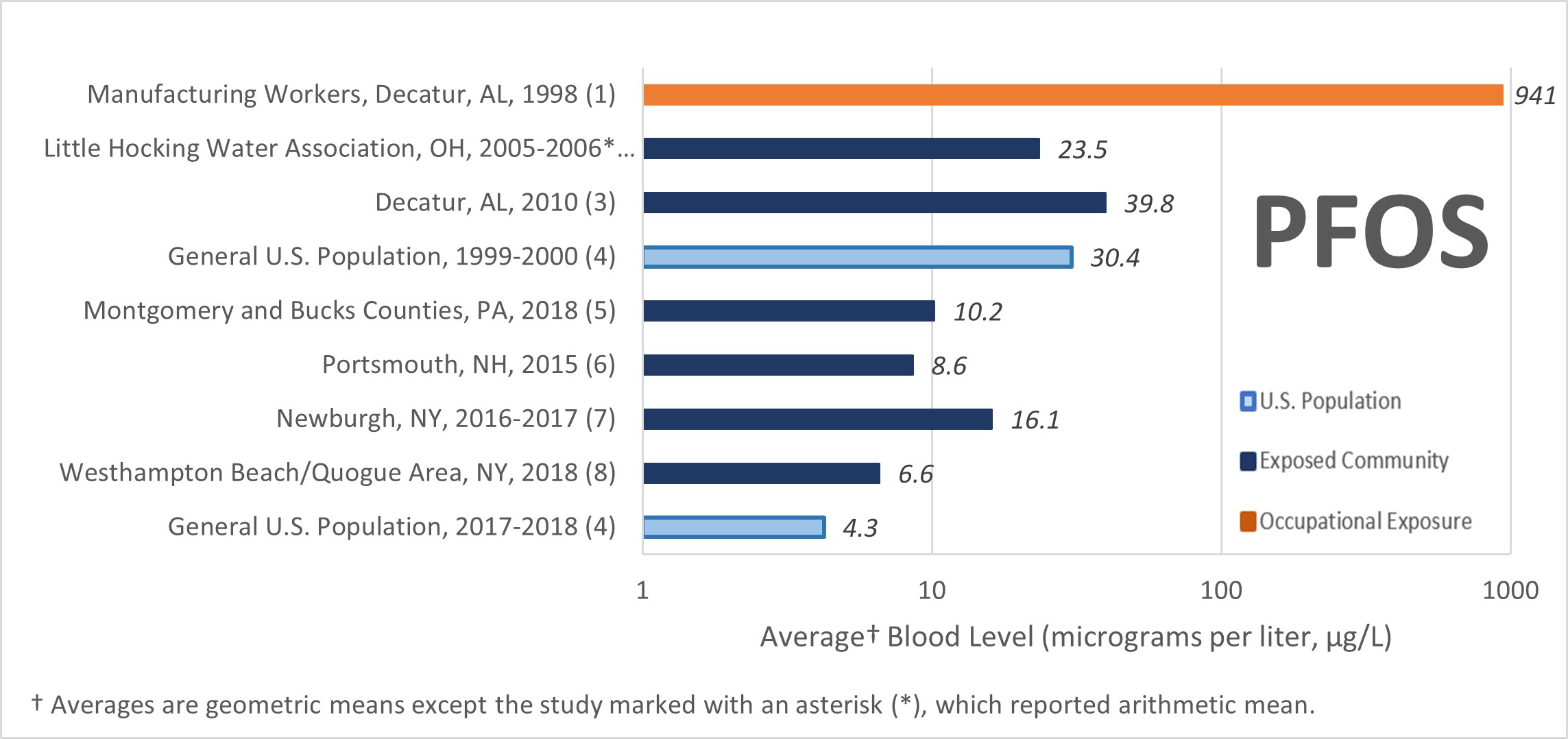
    The severity of chemical pollution is emphasized by the wide range of substances it encompasses and their persistence in the biosphere. Examples of chemical pollutants include volatile organic compounds (VOCs), heavy metals, air contaminants, persistent organic pollutants (POPs), pesticides, and PFAS (per- and polyfluoroalkyl substances), to name a few. Most of these chemicals do not break down over time; instead, they accumulate year after year, causing lasting damage to the Earth. They are found in everything from rivers to livestock, and according to the CDC, PFAS have been detected in the bloodstreams of about 97% of Americans. This is a global problem, too; a 2025 study conducted in Bihar, India, revealed that nearly 90% of children and 80% of pregnant women tested in the state had unsafe amounts of lead in their blood. Furthermore, the poor regulation of industrial waste and aging infrastructure in many regions of Africa and Southeast Asia allows toxic metals such as lead and mercury to contaminate drinking water and agricultural soil.

    PFOS (a specific type of PFAS) levels for various populations / Center for Disease Control ©

    Scientists have warned that chemical pollution has already crossed the limit for what is safe. The volume of synthetic chemicals currently in circulation has far exceeded the Earth’s capacity to manage them safely, and the sheer variety of synthetic compounds, over 350,000 globally, makes regulation nearly impossible without extensive global action.

    Effects on Health & Ecosystems

    For humans, exposure to chemical pollutants can cause cancer, sterility, developmental diseases, immune system damage, and disruption of brain and hormone function. Columbia University’s School of Public Health covered several significant ways chemical pollutants harm the body: DNA damage, genomic alterations and mutations, disrupted development in children, mitochondrial dysfunction, interference with regular bodily functions, endocrine disruption, increased susceptibility to allergies and infections, hindered neurotransmission, and impaired nervous system function.

    As for the environment, PFAS have been detected in livestock, fish, and crops, affecting food safety and biodiversity. Chemical spills pollute rivers and seas, killing aquatic life and disrupting ecosystems. Soil contaminated with pollutants becomes infertile, reducing agricultural efficiency.

    What’s Being Done

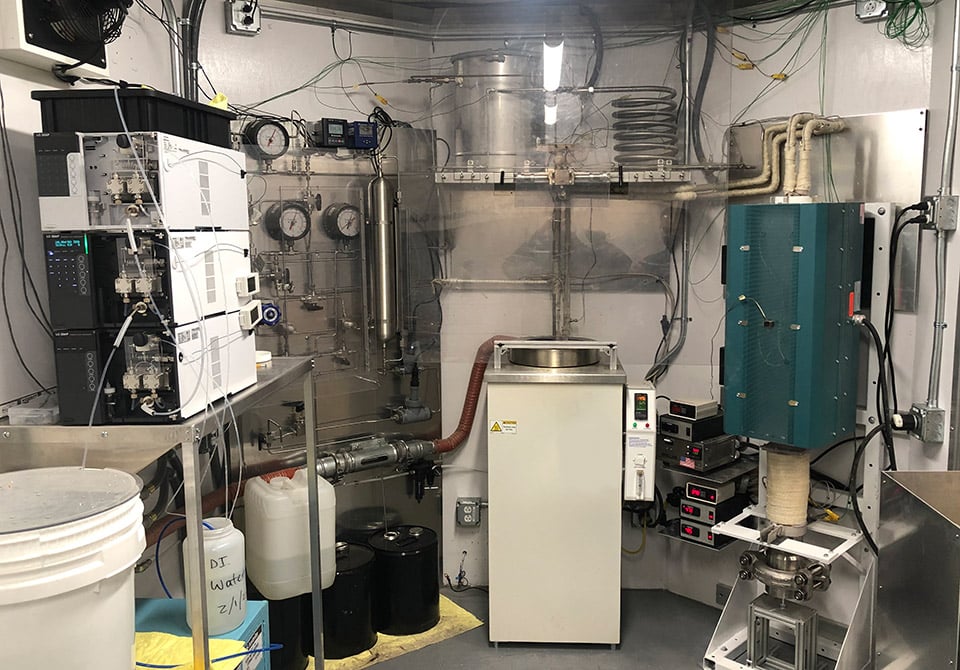
    Though serious, attempts to rectify the situation have been slow-going. The United States’ Environmental Protection Agency has recently introduced stricter drinking water standards for PFAS, with limits in the parts-per-trillion range. Several states have launched lawsuits against chemical manufacturers in order to force them to fund cleanup efforts. Meanwhile, in Europe, policymakers are moving to ban classes of harmful chemicals instead of regulating them one by one, a necessary approach given the scope of the crisis, according to scientists. The UN has begun negotiations for a plastics and associated chemicals treaty, which would be the first major international agreement to limit harmful substances since the Montreal Protocol on ozone-depleting chemicals in 1987. Moreover, researchers are in the process of developing technology aiming to destroy PFAS molecules previously thought to be indestructible.

    Mobile version of Battelle’s PFAS Annihilator technology / Battelle ©

    Even so, progress can be unsteady and quite slow. Many poorer nations lack the infrastructure to monitor chemical pollution as well as the political power to hold corporations accountable for any potential damage they cause.

    Since these chemicals can be found everywhere, phasing them out requires a great deal of effort, starting with change on a systematic scale.


    References

    Boztas, S. (2024, January 4). The race to destroy the toxic “forever chemicals” polluting our world. The Guardian. https://www.theguardian.com/environment/2024/jan/04/the-race-to-destroy-the-toxic-forever-chemicals-polluting-our-world
    Carrington, D. (2022, January 18). Chemical pollution has passed safe limit for humanity, say scientists. The Guardian. https://www.theguardian.com/environment/2022/jan/18/chemical-pollution-has-passed-safe-limit-for-humanity-say-scientists
    Centers for Disease Control and Prevention. (2024, November 12). Fast facts: Pfas in the U.S. population. ATSDR. https://www.atsdr.cdc.gov/pfas/data-research/facts-stats/index.html
    Eight ways chemical pollutants harm the body. Columbia University Mailman School of Public Health. (2021, March 8). https://www.publichealth.columbia.edu/news/eight-ways-chemical-pollutants-harm-body
    Gayle, D. (2025, August 6). Chemical pollution a threat comparable to climate change, scientists warn. The Guardian. https://www.theguardian.com/environment/2025/aug/06/chemical-pollution-threat-comparable-climate-change-scientists-warn-novel-entities
    Hogue, C. (2021, December 29). Pfas destruction technologies are starting to emerge. Chemical & Engineering News. https://cen.acs.org/environment/persistent-pollutants/PFAS-destruction-technologies-starting-emerge/100/i1
    TOI. (2025, August 11). Study finds widespread lead poisoning among children and pregnant women in bihar: Patna news – times of India. The Times of India. https://timesofindia.indiatimes.com/city/patna/study-finds-widespread-lead-poisoning-among-children-and-pregnant-women-in-bihar/articleshow/123222254.cms