About

Tag: ecosystems

  • Chemical Pollution: A Threat to Global Health and Ecosystems

    Chemical Pollution: A Threat to Global Health and Ecosystems

    By Amy Yan

    ~4 minutes


    Scientists have recently declared chemical pollution an environmental threat as severe as climate change. Specifically, chemical pollution is the contamination of air, land, or water with high levels of unnatural substances, or pollutants. As these chemical pollutants continue to quickly spread throughout the globe, the multitude of risks they pose is only growing.

    The Severity of Chemical Pollution

    The severity of chemical pollution is emphasized by the wide range of substances it encompasses and their persistence in the biosphere. Examples of chemical pollutants include volatile organic compounds (VOCs), heavy metals, air contaminants, persistent organic pollutants (POPs), pesticides, and PFAS (per- and polyfluoroalkyl substances), to name a few. Most of these chemicals do not break down over time; instead, they accumulate year after year, causing lasting damage to the Earth. They are found in everything from rivers to livestock, and according to the CDC, PFAS have been detected in the bloodstreams of about 97% of Americans. This is a global problem, too; a 2025 study conducted in Bihar, India, revealed that nearly 90% of children and 80% of pregnant women tested in the state had unsafe amounts of lead in their blood. Furthermore, the poor regulation of industrial waste and aging infrastructure in many regions of Africa and Southeast Asia allows toxic metals such as lead and mercury to contaminate drinking water and agricultural soil.
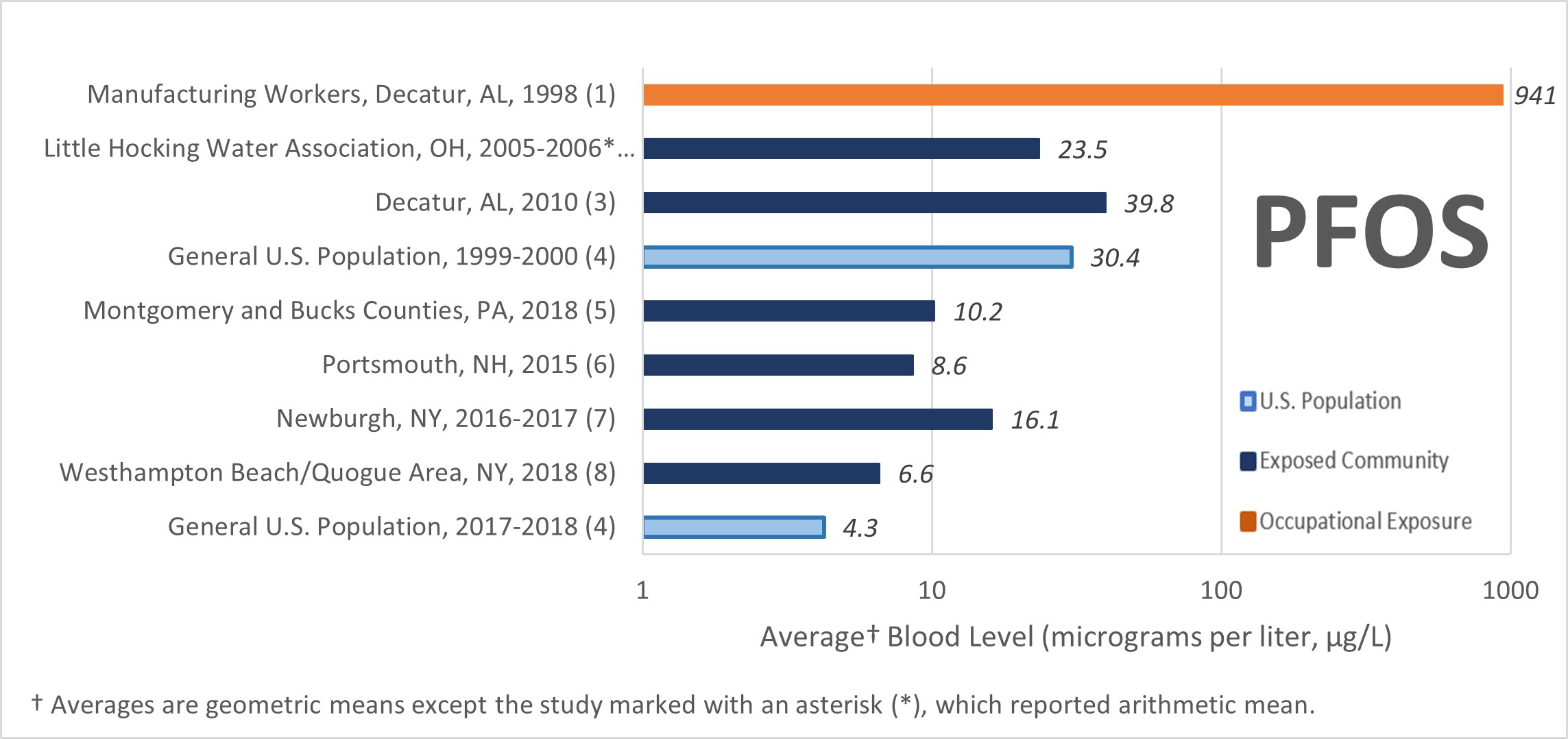
    PFOS (a specific type of PFAS) levels for various populations / Center for Disease Control ©

    Scientists have warned that chemical pollution has already crossed the limit for what is safe. The volume of synthetic chemicals currently in circulation has far exceeded the Earth’s capacity to manage them safely, and the sheer variety of synthetic compounds, over 350,000 globally, makes regulation nearly impossible without extensive global action.

    Effects on Health & Ecosystems

    For humans, exposure to chemical pollutants can cause cancer, sterility, developmental diseases, immune system damage, and disruption of brain and hormone function. Columbia University’s School of Public Health covered several significant ways chemical pollutants harm the body: DNA damage, genomic alterations and mutations, disrupted development in children, mitochondrial dysfunction, interference with regular bodily functions, endocrine disruption, increased susceptibility to allergies and infections, hindered neurotransmission, and impaired nervous system function.

    As for the environment, PFAS have been detected in livestock, fish, and crops, affecting food safety and biodiversity. Chemical spills pollute rivers and seas, killing aquatic life and disrupting ecosystems. Soil contaminated with pollutants becomes infertile, reducing agricultural efficiency.

    What’s Being Done

    Though serious, attempts to rectify the situation have been slow-going. The United States’ Environmental Protection Agency has recently introduced stricter drinking water standards for PFAS, with limits in the parts-per-trillion range. Several states have launched lawsuits against chemical manufacturers in order to force them to fund cleanup efforts. Meanwhile, in Europe, policymakers are moving to ban classes of harmful chemicals instead of regulating them one by one, a necessary approach given the scope of the crisis, according to scientists. The UN has begun negotiations for a plastics and associated chemicals treaty, which would be the first major international agreement to limit harmful substances since the Montreal Protocol on ozone-depleting chemicals in 1987. Moreover, researchers are in the process of developing technology aiming to destroy PFAS molecules previously thought to be indestructible.

    Mobile version of Battelle’s PFAS Annihilator technology / Battelle ©

    Even so, progress can be unsteady and quite slow. Many poorer nations lack the infrastructure to monitor chemical pollution as well as the political power to hold corporations accountable for any potential damage they cause.

    Since these chemicals can be found everywhere, phasing them out requires a great deal of effort, starting with change on a systematic scale.

    References

    Boztas, S. (2024, January 4). The race to destroy the toxic “forever chemicals” polluting our world. The Guardian. https://www.theguardian.com/environment/2024/jan/04/the-race-to-destroy-the-toxic-forever-chemicals-polluting-our-world
    Carrington, D. (2022, January 18). Chemical pollution has passed safe limit for humanity, say scientists. The Guardian. https://www.theguardian.com/environment/2022/jan/18/chemical-pollution-has-passed-safe-limit-for-humanity-say-scientists
    Centers for Disease Control and Prevention. (2024, November 12). Fast facts: Pfas in the U.S. population. ATSDR. https://www.atsdr.cdc.gov/pfas/data-research/facts-stats/index.html
    Eight ways chemical pollutants harm the body. Columbia University Mailman School of Public Health. (2021, March 8). https://www.publichealth.columbia.edu/news/eight-ways-chemical-pollutants-harm-body
    Gayle, D. (2025, August 6). Chemical pollution a threat comparable to climate change, scientists warn. The Guardian. https://www.theguardian.com/environment/2025/aug/06/chemical-pollution-threat-comparable-climate-change-scientists-warn-novel-entities
    Hogue, C. (2021, December 29). Pfas destruction technologies are starting to emerge. Chemical & Engineering News. https://cen.acs.org/environment/persistent-pollutants/PFAS-destruction-technologies-starting-emerge/100/i1
    TOI. (2025, August 11). Study finds widespread lead poisoning among children and pregnant women in bihar: Patna news – times of India. The Times of India. https://timesofindia.indiatimes.com/city/patna/study-finds-widespread-lead-poisoning-among-children-and-pregnant-women-in-bihar/articleshow/123222254.cms 

  • Bringing Back the Dead: De-Extinction

    Bringing Back the Dead: De-Extinction

    By Stella Fish

    ~ 4 minutes


    Have you ever wondered what life would be like if it were possible to revive extinct animals? To see a woolly mammoth, or a dodo bird? Thanks to a new modern-day technology, these doors are being opened.

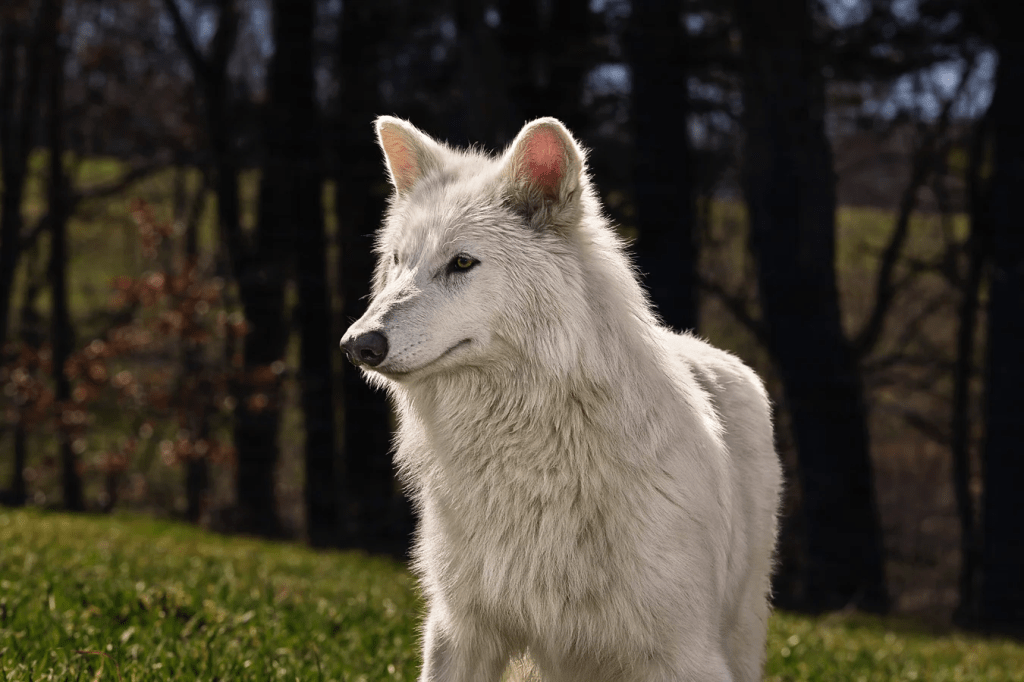
    A dire wolf is a species of canine that went extinct about 13,000 years ago, differing from the modern gray wolf in its larger body, more massive skull, and smaller brain. In 2021, a company called Colossus Biosciences was able to extract dire wolf DNA from ancient fossils. Using this DNA to find the specific dire wolf genes, the scientists made 20 edits to a gray wolf gene, the closest living relative, until they produced an animal with the same key features as a dire wolf. After creating embryos from these genes, they implanted them into surrogate canine mothers.

    Romulus and Remus, wolf pups with dire wolf genes / Colossal Biosciences ©

    Soon after this, three healthy baby wolves were born, carrying the key traits of dire wolves. These three wolves are now known as the first successful use of de-extinction, sparking much debate over whether this practice should be continued.

    The Pros of De-extinction:

    De-extinction is a powerful tool for animal conservation and ecosystem restoration. Bringing back extinct keystone species could restore degraded habitats that have withered without them, opening doors to revive grasslands and other ecosystems. Along with ecosystem restoration, keystone species could impact the climate and weather in their habitat by impacting carbon storage and moisture regulation.

    This technology could also target endangered species, allowing scientists to save and protect animals at risk. By altering extinct genes to restore genetic diversity in a threatened species, scientists could avoid the extinction of important keystone species, keeping the ecosystem’s equilibrium steady. 

    Along with these two pros, de-extinction has led to significant scientific breakthroughs, specifically in biology and genetics. If it continues to be explored, it de-extinction could lead to other discoveries and raise awareness around the importance of protecting species and biodiversity. 

    Cons of De-Extinction:

    Yet, this useful new technology also harbors many risks. Dr. Meachen, a vertebrate paleontologist and morphologist, stated that she is wary of this new process, saying,

    “I have questions. We have trouble with the wolves we have today.”

    Dr. Meachen / Des Moines University ©

    The de-extinction process is costly and requires funds that the private sector may not be able to provide, meaning governments may have to assume funding. In this case, resources used in this process would come from the government’s conservation budget, making present conservation efforts lose funding. This would mean that existing endangered species facing immediate threats would be at risk, resulting in biodiversity loss.

    Placing extinct animals back into their environments might also have drawbacks, as most extinct animals’ ecosystems have changed since they became extinct, and there is no guarantee that they will be able to adapt back. This could lead to potentially invasive species, as their habitats may lack natural predators to keep the revived population in check. Reintroducing a species might also create conflict within the ecosystem, impacting the stability and equilibrium.

    Finally, many ethical questions come with de-extinction. By providing a way to return past life to the planet, there may be consequences of falsely condoning extinction and pardoning harm to species. Many critics also believe it is not our responsibility to “play God” and create new life.

    In Conclusion:

    De-extinction has provided substantial progress in science and has opened doors to new ways to conserve animals and habitats. However, many disadvantages come with it, posing the question: should de-extinction be further used, and if so, should there be limitations to what scientists can and can’t do with the genetic engineering of extinct animals? 


    References

    Dire Wolf Digital. (2024). Dire Wolf Digital, Inc. Direwolfdigital.com. https://www.direwolfdigital.com/
    Direwolf Biology – Colossal. (2025, April 7). Colossal. https://colossal.com/direwolf/biology/
    Jarvis, B. (2025, May 7). There’s No “Undo” Button for Extinct Species. The New York Times. https://www.nytimes.com/2025/05/07/magazine/extinct-species-dire-wolf.html
    Kluger, J. (2025, April 7). The Return of the Dire Wolf. Time. https://time.com/7274542/colossal-dire-wolf/
    Zimmer, C. (2025, April 7). Scientists Revive the Dire Wolf, or Something Close. The New York Times. https://www.nytimes.com/2025/04/07/science/colossal-dire-wolf-deextinction.html