
By Stella Fish
~ 4 minutes
Have you ever wondered what life would be like if it were possible to revive extinct animals? To see a woolly mammoth, or a dodo bird? Thanks to a new modern-day technology, these doors are being opened.
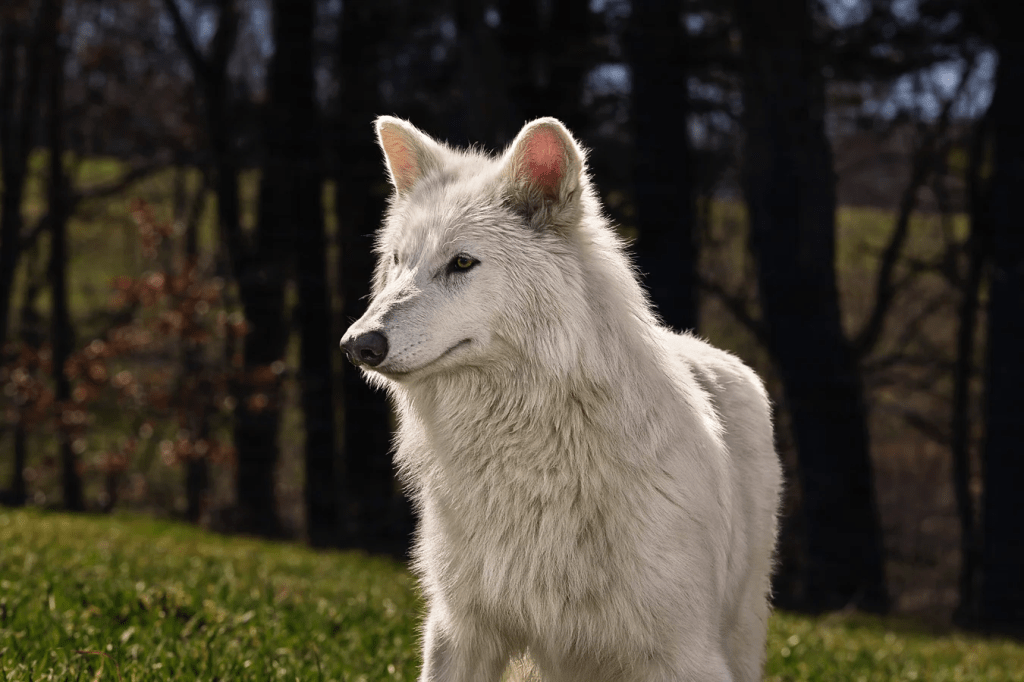
A dire wolf is a species of canine that went extinct about 13,000 years ago, differing from the modern gray wolf in its larger body, more massive skull, and smaller brain. In 2021, a company called Colossus Biosciences was able to extract dire wolf DNA from ancient fossils. Using this DNA to find the specific dire wolf genes, the scientists made 20 edits to a gray wolf gene, the closest living relative, until they produced an animal with the same key features as a dire wolf. After creating embryos from these genes, they implanted them into surrogate canine mothers.

Soon after this, three healthy baby wolves were born, carrying the key traits of dire wolves. These three wolves are now known as the first successful use of de-extinction, sparking much debate over whether this practice should be continued.
The Pros of De-extinction:
De-extinction is a powerful tool for animal conservation and ecosystem restoration. Bringing back extinct keystone species could restore degraded habitats that have withered without them, opening doors to revive grasslands and other ecosystems. Along with ecosystem restoration, keystone species could impact the climate and weather in their habitat by impacting carbon storage and moisture regulation.
This technology could also target endangered species, allowing scientists to save and protect animals at risk. By altering extinct genes to restore genetic diversity in a threatened species, scientists could avoid the extinction of important keystone species, keeping the ecosystem’s equilibrium steady.
Along with these two pros, de-extinction has led to significant scientific breakthroughs, specifically in biology and genetics. If it continues to be explored, it de-extinction could lead to other discoveries and raise awareness around the importance of protecting species and biodiversity.
Cons of De-Extinction:
Yet, this useful new technology also harbors many risks. Dr. Meachen, a vertebrate paleontologist and morphologist, stated that she is wary of this new process, saying,
“I have questions. We have trouble with the wolves we have today.”

The de-extinction process is costly and requires funds that the private sector may not be able to provide, meaning governments may have to assume funding. In this case, resources used in this process would come from the government’s conservation budget, making present conservation efforts lose funding. This would mean that existing endangered species facing immediate threats would be at risk, resulting in biodiversity loss.
Placing extinct animals back into their environments might also have drawbacks, as most extinct animals’ ecosystems have changed since they became extinct, and there is no guarantee that they will be able to adapt back. This could lead to potentially invasive species, as their habitats may lack natural predators to keep the revived population in check. Reintroducing a species might also create conflict within the ecosystem, impacting the stability and equilibrium.
Finally, many ethical questions come with de-extinction. By providing a way to return past life to the planet, there may be consequences of falsely condoning extinction and pardoning harm to species. Many critics also believe it is not our responsibility to “play God” and create new life.
In Conclusion:
De-extinction has provided substantial progress in science and has opened doors to new ways to conserve animals and habitats. However, many disadvantages come with it, posing the question: should de-extinction be further used, and if so, should there be limitations to what scientists can and can’t do with the genetic engineering of extinct animals?
 Youth Stemline