
By Charlotte Lee
~ 3 minutes
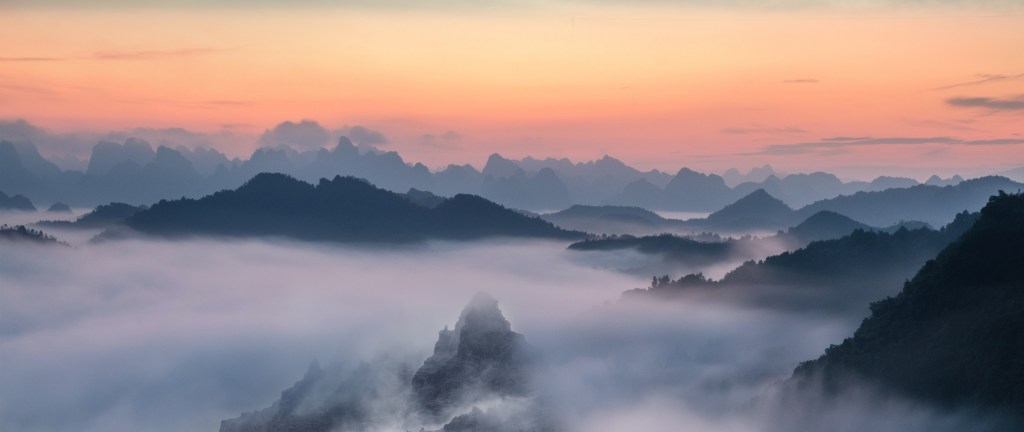
Mist
Mist is comprised of tiny droplets of water hanging in the air. They are often white or grey and look like they are floating over land. It is formed when warmer air over water meets cooler air, which rapidly cools the warmer air. Because when the air is rapidly cooled, it turns air (invisible gas) into tiny water droplets. It can also be formed when warm air on land meets cooler air from the ocean. The tiny droplets are particles suspended in the air due to condensation near the surface of the Earth and scatter light, allowing us to see them. Fun Fact: While fog and mist are similar, they are not the same thing. Mist tends to be less dense than fog and does not last as long.

Crepuscular rays
Crepuscular rays look like sunbeams raining down from a point and have alternating dark and light areas. They are often colored orange and red and are formed when sunlight shines through gaps in the clouds, often during sunrise or sunset, giving them their color. These rays are visible because the sunlight hits vapor, dust, and other particles as it passes through the clouds and has a high enough contrast between shadows and light. The particles then cause the sunlight to scatter and create distinct beams. Fun Fact: The rays are actually parallel, but an optical illusion makes them appear angled.
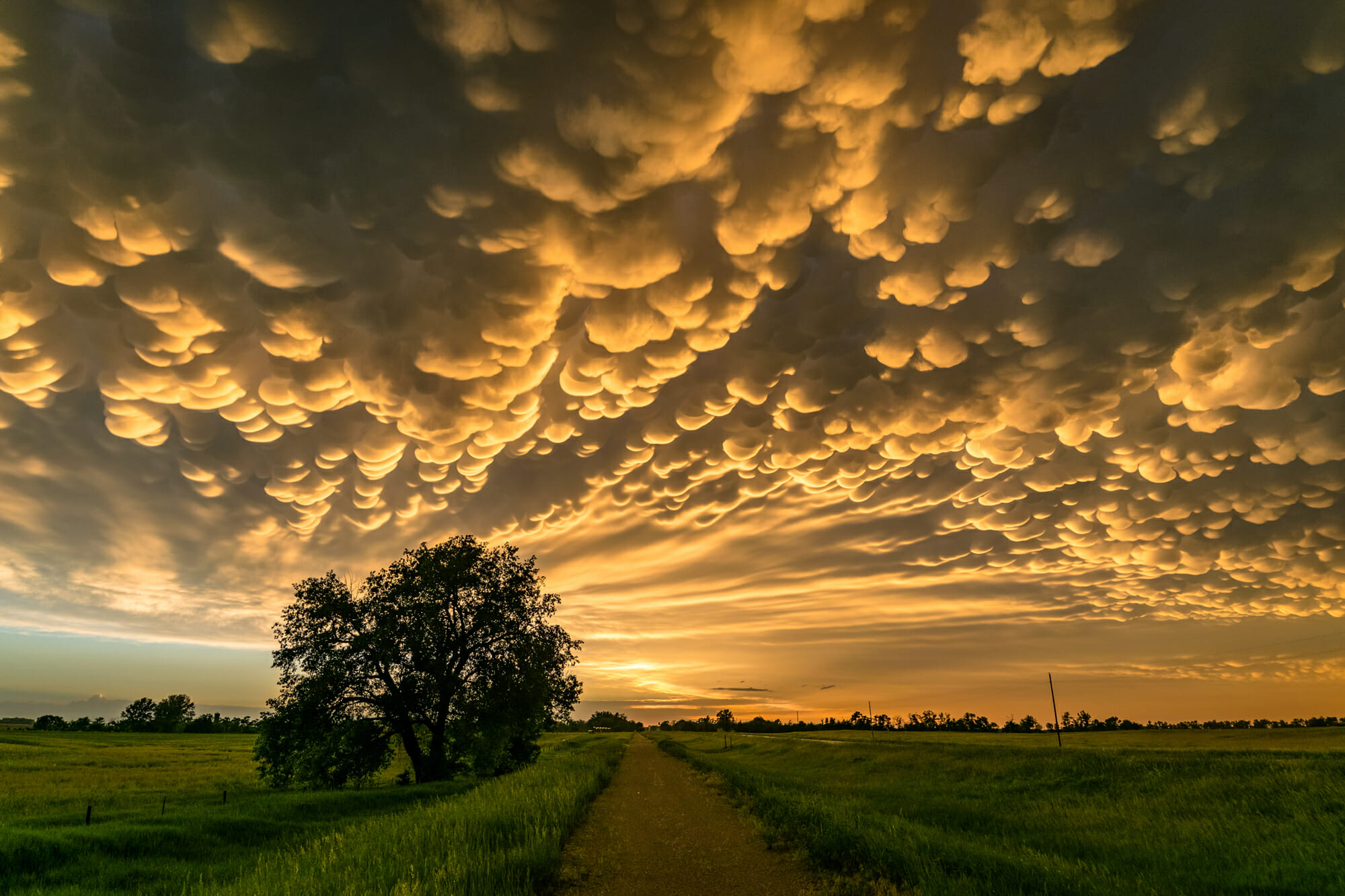
Mammatus Cloud
Mammatus clouds are rounded pouches of cloud that hang from the underside of a larger cloud. They often form during the warmer months when cool air sinks into warmer air. Mammatus clouds get their unique look when cooler air containing ice crystals and water droplets sinks into warmer, drier air. As it descends, the moisture condenses, forming pouch-like shapes. These clouds are often associated with storms because the cooler air typically comes from cumulonimbus clouds that are connected to thunderstorms. This creates these pouches. There is an association with storms because the cooler air often comes from cumulonimbus clouds that are connected to thunderstorms. Fun Fact: The way that they are formed is the opposite of how most clouds are formed (air rising and cooling), and aircraft stay away from them because they can indicate storm activity and severe thunderstorms.
Other less-known phenomena
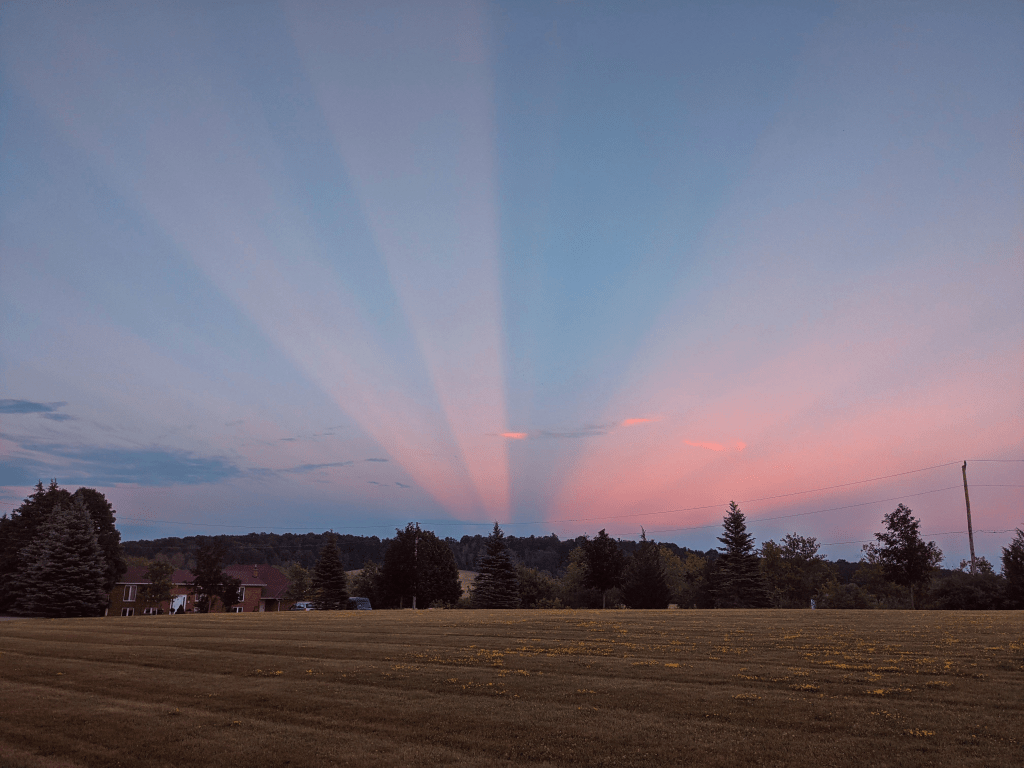
Anti-crepuscular rays
These rays look like a horizontal crepuscular ray. This phenomenon appears when rays of light and shadows converge at a point opposite the sun, making the rays appear like they are diverging horizontally, even though they are parallel.

Virga clouds
Streaks of precipitation that are falling from a cloud, but evaporate before they hit the ground. They look like wispy trails and are often found in deserts or places with higher temperatures. Although the precipitation does not reach the ground, it is often picked up by the radar as rain.
 Youth Stemline