
By: Maggie Wright
~ 3 minutes
Recently, the phrase ‘flow state’ has gone viral on social media, but most people have no clue what’s actually happening in the brain. Creative outlets for your brain start with the flow state, a mental state you can enter during creative activities like art, dance, writing poetry, or even giving a creative speech. When you are fully immersed in what you’re doing, the mind becomes deeply focused and present. This experience is known as the flow state.
Being in this state can trigger the release of feel-good chemicals such as dopamine, which is associated with pleasure and reward. These chemicals positively affect your brain chemistry and help bring it into balance. The more often you engage in creative activities that lead you into this flow state, the more positive the effects on your mental and emotional health.
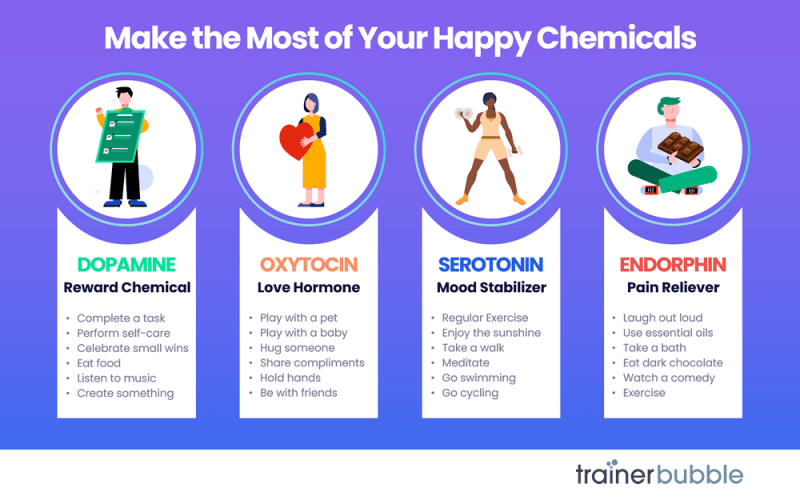
Routine also plays an important role in achieving flow state. While the brain may become bored with repetition, the discipline of regularly doing creative work helps maintain the steady release of beneficial brain chemicals. Over time, this habit becomes a powerful tool for supporting emotional stability and improving overall brain function. It can also increase your capacity to learn and help you stay in a more positive mood. Your brain is like a muscle that can grow and change with use. Just as going to the gym strengthens your body, creative outlets help strengthen your brain. Whether you’re solving mental math problems, dancing, writing, or painting, these activities exercise the brain in meaningful ways, and with time, you will begin to notice progress in your thinking, mood, and emotional resilience.
Creative outlets are not just helpful in the long-term, they also provide temporary support. These outlets allow you to process emotions, deal with stress or trauma, and reflect on your day in a positive way. This results in a clear headspace and a more productive day.
Engaging in creative activities can calm the amygdala, which is the part of the brain responsible for the fight-or-flight response. When you’re feeling anxious or stressed, the amygdala becomes highly active. Creative work signals to the brain that you’re safe, which helps reduce that activation and gives you a sense of relief and clarity. Incorporating creativity into your life is more than just enjoyable, it’s a powerful way to support your mental health and help your brain thrive.
 Youth Stemline