About

Tag: brain

  • WHAT IS HUMAN NATURE?

    WHAT IS HUMAN NATURE?

    By Summer Chen

    ~ 7 minutes


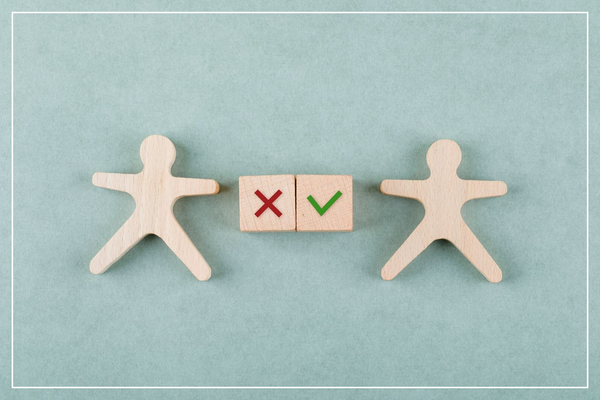
    I grew up thinking that everyone is born evil. Even though I was told that people always tried to help each other, this wasn’t consistent with any of my experiences. Children would only stop bullying each other when they were told, people around me would steal from candy shops, my classmates would constantly lie and cheat. Contrastingly, I was also able to consider that some people were inherently kind – exemplified by when I felt a genuine desire to share my food with my sister (even though she is potentially the most annoying human I have ever met). This raised the idea of human nature to me – are we naturally good, or born to be evil?

    In a world where it is believed that everyone is evil and immoral, people would likely trust each other less. Relationships might struggle as they would be unwilling to resolve conflict due to lack of belief and trust in the other person. In politics, voting procedures which often rely on a positive view of society would come into question: should we allow people who do not have our best interests at heart to determine our lives? On the other hand, if everyone believed everyone was good at heart, then this would likely mean more rehabilitation and soft approaches to the criminals of society, and the capacity to point blame on external circumstances as a justification of one’s behaviour, meaning most people no longer feeling accountable for their behaviour and wanting to improve.

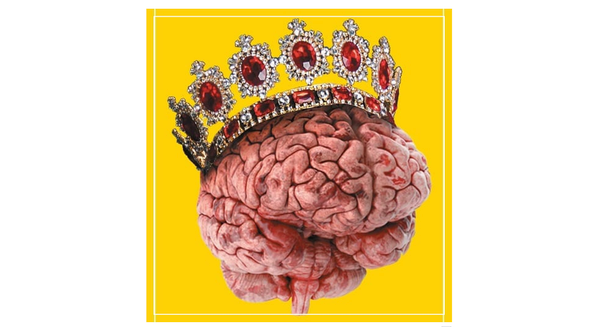
    This article explores the view that we are not born good or evil, but our society has a huge impact on shaping us to be ‘evil’.

    Nature is the concept of how humans are “supposed to be from the start” – how we are guaranteed to act from the minute we are born. One perspective that was shared by John Locke is that everyone is born with their minds in a ‘blank state’: the concept of tabula rasa. Everyone’s early experiences make them who they are, and nurture determines their actions. Contrastingly, some believe that nature heavily influences our daily actions, including whether we act morally good, or immorally evil.

    On the other hand, the concept of nurture regards how society teaches their children to act like, spreading influence through their behaviour. This concept is likely more about how society’s expectations change a person from when they are young and how their own personal stories and situations shape them.

    So I suppose the real question is: are we inclined to a certain set of actions because we are human, or do we conduct those actions due to our upbringing?

    Some believe that humans are born evil. People like Thomas Hobbes, for example, believed that because people have an infinite amount of wants but a finite amount of resources, therefore this leads to competition. For example, even if I don’t want resources (such as my friend’s snacks or a certain grade in school), I only want it because someone else has it.

    This competitive nature was thought to extend past material possession to a desire for superiority. He also thought that vanity and jealousy exist only because we live with other human beings. Both these factors, which exist when we are born, made him come to the conclusion that humans are inherently evil.

    Therefore, he believed that the only resolution society must make is to create a powerful absolute government to impose order, because human nature is completely savage with no interest outside one’s own.

    In contrast, some people are not as negative as Thomas Hobbes. These people think that we are inherently good but shaped by society to be evil. This is what Jean-Jacques Rosseau believed – the distinction between this and Hobbes’ argument differs in root rather than characteristic.  

    Rosseau thought people inherently want to serve each other and are innocent. His opinion was that we are all corrupted by negative environmental influences. An example of this corrupt society could include learning toxic competitiveness and selfishness through the taught desire to succeed.

    As a result, Rosseau developed the concept amour de soi, naming it a natural and healthy type of self-love which aims for peace and satisfaction. Contrastingly, he also defined amour propre, where one’s self-love is based on vanity, reputation and seeking approval. He deduced that amour de soi is natural and what we are born to be, while amour propre is defined by others and causes competition and conflict.

    In a natural isolated state of existence, he thought that humans are content with limited desires. He came to the conclusion that children should have upbringings of curiosity, freedom and exploration without being hindered and corrupted by society.

    However, a counter argument to this belief are multiple experiments on ‘The Game of Life’: a simulation where civilisation could live in a peaceful society if they wanted to. In multiple different situations and worlds, these simulated people constantly chose violence. This proved that when left to do whatever they want with society, people are naturally inclined to cause violence and chaos.

    But what if it’s really not that deep? What if we can just control who we are, whether we are naturally evil or not?

    That’s what Plato thought. Plato’s view was that we humans are like charioteers. We have our good sides and bad sides, like a charioteer drives two horses. But if the charioteer is strong and disciplined enough, he would be able to control both horses. The charioteer is a metaphor for our reason. To rationally control oneself with both, we are ultimately free to be who we want to be.

    Plato “resolves” both points through his perspective of nature. He says that we are not inherently evil or good, instead we can be either way and the only way to win in life is to be rational and smart.

    I don’t personally align with Hobbes’ belief that humans being savage and evil is natural. Instead, I believe that this is societal because our recent past has taught us that being selfish and evil will lead only to survival (e.g., the stone age, famine-stricken times, the transition to agriculture), and that we are not physically evolved to be self-interested. I’m not so inclined to Rosseau’s belief either, because I have no reason to believe it – I’ve never seen any justification that humans were certainly born with a natural inclination to be good.

    The reason I really do believe that Plato’s case is right to an extent is because I think everyone has some control over who they are, whether they become a bad person or not. But in conjunction with Rosseau, I strongly believe that it is a lot harder than Plato claims to control who you are in this kind of society – even if one hides behind the façade of being good, I think that we are all shaped by society to think selfish thoughts: increasingly in the last couple hundred years, society has shifted from being more communal to individualistic.


  • Science Behind Drugs

    Science Behind Drugs

    By Charlotte Lee

    ~ 8 minutes


    What are Drugs?

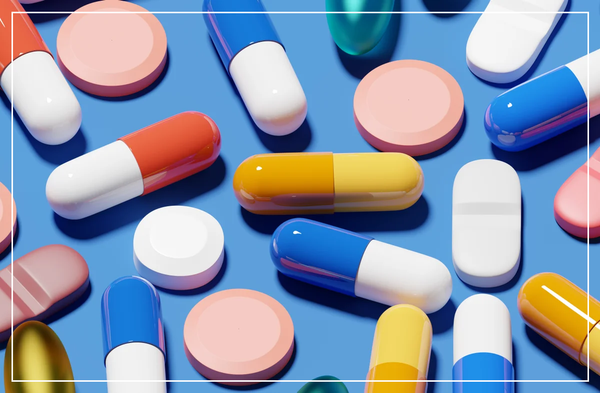
    • Drugs are chemical substances that can alter or affect the structure or function of the body.
    • They can be used for medicinal purposes or recreational purposes, as well as be addictive or non-addictive.
    • They can be classified as stimulants, depressants, opioids, hallucinogens, cannabinoids, and inhalants.

    Why are Certain Drugs Addictive?

    Drugs interfere with the ways that neurons interact with neurotransmitters. Some drugs, like marijuana, mimic the neurotransmitters in the brain, which allows them to activate certain neurons. 

    Marijuana is a type of cannabinoid, which is a class of chemical compounds from the cannabis plant that originated in Asia. The cannabis plant was first used to make ropes and textiles, but was later used for medicinal and spiritual purposes. Additionally, they can be medicinal, psychoactive, or non-psychoactive and stay in the body for 3-4 days after use. 

    THC, which is the main active component in marijuana, binds to the cannabinoid receptors in the brain. This binding mimics neurotransmitters and triggers a release of dopamine, and increased use of marijuana leads to more dopamine being released, creating a reinforcement loop that leads to addiction.

    Medical marijuana / Harvard Health Publishing / Harvard Medical School

    Although the chemicals in the drugs mimic the neurotransmitters, they are not exactly the same. This causes them to send abnormal messages and, in the case of some drugs like heroin, send an increase of dopamine because they bind to and activate opioid receptors. This also blocks the transmission of pain and causes a large amount of pain relief. Additionally, it can lead to dependence because it causes the brain to reduce the number of endorphins and the sensitivity of opioid receptors. Over time, the brain and body become dependent on external stimulants like heroin to feel any sense of happiness.

    Heroin, another narcotic, is a very strong, highly addictive drug that comes from morphine, which is extracted from a part of the opium plant. It can cause severe withdrawal symptoms, overdose, liver and kidney disease, and many other negative side effects. Heroin can come in the form of a white or brownish powder, or a black, sticky substance. It is typically injected, snorted, or smoked and considered a Schedule I controlled substance in the U.S. and most other countries. That means that the drug is illegal, has a high potential for abuse, and is not accepted for any type of medical use.

    Cocaine, another popular narcotic, comes from the leaves of a coca plant, native to South America, most commonly, Colombia, Peru, and Bolivia. Traditionally, people in the Andes chewed or brewed coca leaves as a medicine and stimulant; however, industrial processing has made their effects more potent, creating a drug trade. Cocaine is highly addictive and can cause serious health concerns like depression, bleeding in the lungs, and inflammation. Cocaine is illegal in the US, as it hijacks the brain’s reward system, causing a flood of dopamine and other neurotransmitters, but it can be used for medical purposes with restrictions. Over time, the brain and body become dependent on cocaine to feel any sense of happiness.

    New Ingredient in Cocaine Vaccine Shows Promise in Mouse Study / Duke Health

    These drugs affect the ganglia, a part of the brain responsible for relaying pleasurable effects and forming routines. The over-stimulation of a nerve cluster can lead to a feeling of euphoria or a dopamine release. The large amounts of dopamine make the brain connect drugs to the good feeling and teach the brain to continue using drugs. However, the ganglia are also the reason the drug’s high fades over time, as they adapt to its constant presence and become less sensitive to its effects.

    Drugs are more addictive than natural activities that release dopamine, like working out, because drug misuse can lead to fewer neurotransmitters being released in general. This makes a person’s overall ability to feel pleasure for regular activities lower, making them feel flat or unmotivated in general. This also leads to people needing more and more drugs to feel a normal level of reward.

    While many drugs are plant-derived and addictive, the rise of synthetic drugs is creating an unprecedented danger due to unnatural chemicals increasing the potency and unpredictability of the drug.

    QUICK CAUTIONS: Synthetic Drugs

    • They are often illegal and have very little quality control, which makes the potency and effects of the drug unpredictable.
    • Synthetic drugs are easily contaminated with other hazardous materials, poisons, or drugs. Untested stimulants and chemicals may also exist in the drug, where the long-term side effects are unknown. For example, many drugs are often laced with the synthetic drug fentanyl, which is very strong and can increase the high, causing consumers to keep buying the drug. However, fentanyl is extremely deadly and a little amount can be fatal, leading to an increase in overdose deaths.
    • Manufacturers constantly modify the chemical structure of the drugs to increase the high and addictiveness of the drug as well as evade authorities. This also makes it harder for medical professionals to treat overdoses or reactions because they are not familiar with the drug.
    • Synthetic drugs are often sold under misleading names with colorful packaging to evade authorities, which can lead to accidental consumption. For example, Spice and K2 are common names for a lab-made drug that mimics the THC in marijuana by mimicking marijuana’s chemical structure. It is often sold under the name of herbal incense or potpourri to sound more enticing and evade authorities.
    Synthetic drugs: Don’t ‘spice’ it up / Joint Base Langley-Eustis

    References

    Australian Government. (2019, July 17). What Are Drugs? Australian Government Department of Health and Aged Care; Australian Government. https://www.health.gov.au/topics/drugs/about-drugs/what-are-drugs
    Better Health Channel. (2019). Synthetic drugs. Better Health Channel. https://www.betterhealth.vic.gov.au/health/HealthyLiving/synthetic-drugs
    Content Background: Why Do Plants Make Drugs? – PEP. (n.d.). https://sites.duke.edu/thepepproject/module-5-why-do-plants-make-drugs-for-humans/content-background-why-do-plants-make-drugs/
    DEA. (2021). Coca. Museum.dea.gov. https://museum.dea.gov/exhibits/online-exhibits/cannabis-coca-and-poppy-natures-addictive-plants/coca
    Karimi, A., Maedeh Majlesi, & Mahmoud Rafieian-Kopaei. (2015). Herbal versus synthetic drugs; beliefs and facts. Journal of Nephropharmacology, 4(1), 27. https://pmc.ncbi.nlm.nih.gov/articles/PMC5297475/
    Manual, B. (2014, October 17). Marijuana’s History: How One Plant Spread Through the World. Live Science; Live Science. https://www.livescience.com/48337-marijuana-history-how-cannabis-travelled-world.htm
    National Center for Complementary and Integrative Health. (2019). Cannabis (Marijuana) and Cannabinoids: What You Need to Know. NCCIH. https://www.nccih.nih.gov/health/cannabis-marijuana-and-cannabinoids-what-you-need-to-know
    Understanding the language of addiction. (2019, June 26). Harvard Health. https://www.health.harvard.edu/mind-and-mood/understanding-the-language-of-addiction


  • The Science Behind Flow State

    The Science Behind Flow State

    By: Maggie Wright

    ~ 3 minutes


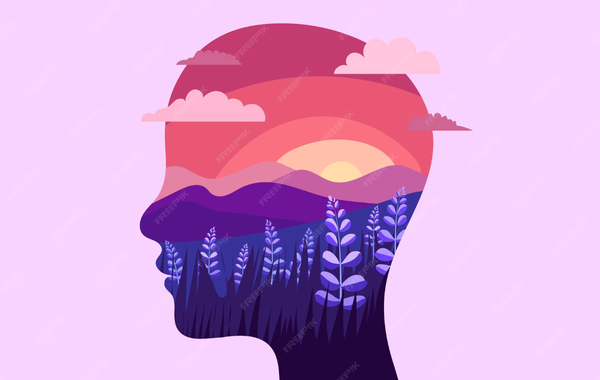
    Recently, the phrase ‘flow state’ has gone viral on social media, but most people have no clue what’s actually happening in the brain. Creative outlets for your brain start with the flow state, a mental state you can enter during creative activities like art, dance, writing poetry, or even giving a creative speech. When you are fully immersed in what you’re doing, the mind becomes deeply focused and present. This experience is known as the flow state.

    Being in this state can trigger the release of feel-good chemicals such as dopamine, which is associated with pleasure and reward. These chemicals positively affect your brain chemistry and help bring it into balance. The more often you engage in creative activities that lead you into this flow state, the more positive the effects on your mental and emotional health.

    Make the Most of Your Happy Chemicals – Wellbeing Infographic / Trainer Bubble ©

    Routine also plays an important role in achieving flow state. While the brain may become bored with repetition, the discipline of regularly doing creative work helps maintain the steady release of beneficial brain chemicals. Over time, this habit becomes a powerful tool for supporting emotional stability and improving overall brain function. It can also increase your capacity to learn and help you stay in a more positive mood. Your brain is like a muscle that can grow and change with use. Just as going to the gym strengthens your body, creative outlets help strengthen your brain. Whether you’re solving mental math problems, dancing, writing, or painting, these activities exercise the brain in meaningful ways, and with time, you will begin to notice progress in your thinking, mood, and emotional resilience.

    Creative outlets are not just helpful in the long-term, they also provide temporary support. These outlets allow you to process emotions, deal with stress or trauma, and reflect on your day in a positive way. This results in a clear headspace and a more productive day.

    Engaging in creative activities can calm the amygdala, which is the part of the brain responsible for the fight-or-flight response. When you’re feeling anxious or stressed, the amygdala becomes highly active. Creative work signals to the brain that you’re safe, which helps reduce that activation and gives you a sense of relief and clarity. Incorporating creativity into your life is more than just enjoyable, it’s a powerful way to support your mental health and help your brain thrive.


    References

    Freepik. (n.d.). Psychology concept – Sunrise and dreamer woman silhouette [Digital image]. Freepik. https://www.freepik.com/premium-photo/psychology-concept-sunrise-dreamer-woman-silhouette_18124911.htm
    Jean-Berluche, D. (2024). Creative expression and mental health. Journal of Creativity, 34(2), 100083. https://doi.org/10.1016/j.yjoc.2024.100083 ScienceDirect
    Kumar, V. et al. (2024). Creative pursuits for mental health and well-being. PMC
    Suttie, J. (2018, July 11). Where does happiness reside in the brain? Greater Good Science Center. https://greatergood.berkeley.edu/article/item/where_does_happiness_reside_in_the_brain 
    The Role of Handmade Crafts in Mental Health and Self-Care. (2023, January 25). Awesome Pattern Studio. https://awesomepatternstudio.com/blog/blog/the-role-of-handmade-crafts-in-mental-health-and-self-care/ Awesome Pattern Studio
    Trainer Bubble. (n.d.). Make the most of your happy chemicals – Wellbeing infographic [Infographic]. Trainer Bubble. https://www.trainerbubble.com/make-the-most-of-your-happy-chemicals-wellbeing-infographic/ 
    UCLA Health. (2025, May 15). 3 proven health benefits of having a hobby. https://www.uclahealth.org/news/article/3-proven-health-benefits-having-hobby UCLA Health

  • ‘The Second Brain’ The Gut Microbiome’s Effect on Your Mental Health

    ‘The Second Brain’ The Gut Microbiome’s Effect on Your Mental Health

    By Gianna Lee

    ~ 4 minutes


    Every year, in the United States, millions are diagnosed with schizophrenia, autism, and depression . These disabilities severely hinder people’s way of living, therefore, it is crucial for us to find ways to prevent individuals from suffering. In the past few years, research has shown that the gut has a significant connection with your brain.

    The ENS

    The ENS (enteric nervous system) is what some researchers call your “second brain.” It is composed of two layers that have hundreds of millions of nerve cells that dictate your mood shifts. Located in the gut, this system efficiently communicates with the central nervous system, connecting your mind and body.

    The ENS sends signals to your brain via the gut-brain axis. For example, when the gut signals hunger, the brain sends out a stressor leading to your blood sugar dropping, which makes you frustrated or irritated. This shows that the brain and gut are in constant communication, which can be linked to mental illness.  With this logic, we can understand that while microorganisms within the gut can prevent mental illness, others can cause them.

    In cases of Schizophrenia, clinical research has shown similarities within the gut between patients; 8 cases of Schizophrenia found that their gut contained similar gut microbiota such as: Lactobacillus, Enterococcus, and Bifidobacterium. Scientists then prescribed probiotics to these patients which reduced inflammation and contributed to a better state and overall mood.

    The Mind and Gut’s Relationship

    While research is still being developed regarding the link between the two, findings are piling up in order to help us understand the relationship between the gut and mind.

    In order to maintain a healthy gut and mindset, there are a few ways to keep yourself healthy. You are what you eat. Your diet is a major factor for a healthy gut, so nourishing your gut with a diverse and balanced diet can feed bacteria, allowing for an improved mood! Some healthy nutrition options include probiotics such as: kimchi, kefir, and other fermented items, as well as  prebiotics like green vegetables, legumes, whole grains, and nuts.

    Additionally, ways to completely treat mental illness are still being discovered. A process called “Faecal microbiota transplant” has recently been found to be a possible cure. The process allows  donors with healthy guts to donate stool to patients suffering from infected colons. This process is usually used to treat infection, however, studies were done that found out a few cases of clinical depression were cured through this process. 

    To sum it up, the gut microbiome may not seem like much, however it does play a significant role in mental health. The link between the two is still being studied to this day, with new findings revealing that treatments may cure existing mental illness. As of now, the current best way to maintain a healthy mental state is to ensure a healthy diet. Hopefully, one day we will be able to cure mental illness through these ground breaking discoveries, and when that happens, I will be here to report it!


    References

    GBD 2019 Mental Disorders Collaborators. (2022). Global, regional, and national burden of 12 mental disorders in 204 countries and territories, 1990–2019: A systematic analysis for the Global Burden of Disease Study 2019. The Lancet Psychiatry, 9(2), 137–150. https://doi.org/10.1016/s2215-0366(21)00395-3
    Health, N. (2025). The gut-mental health connection: How to improve both for overall well-being. Nuvance Health. https://www.nuvancehealth.org/health-tips-and-news/the-gut-mental-health-connection
    Johns Hopkins Medicine. (2019). The brain-gut Connection. John Hopkins Medicine. https://www.hopkinsmedicine.org/health/wellness-and-prevention/the-brain-gut-connection
    Li, Z., Tao, X., Wang, D., Pu, J., Liu, Y., Gui, S., Zhong, X., Yang, D., Zhou, H., Tao, W., Chen, W., Chen, X., Chen, Y., Chen, X., & Xie, P. (2024). Alterations of the gut microbiota in patients with schizophrenia. Frontiers in Psychiatry, 15, 1366311. https://doi.org/10.3389/fpsyt.2024.1366311
    Morrow, R. (2021, November 17). 9 Soulicious Soup Recipes. Foodmatters.com; Food Matters. https://www.foodmatters.com/recipe/9-soulicious-soup-recipes