Redlining is not Green: How Climate Change Underscores Economic and Racial Inequality

By Deetya Dinesh
~ 4 minutes ~
As my tree began to shed dark ochre leaves, my backyard turned into a carpet of what had seemed like perfectly crunchy, autumnal foliage. It was not fall, though; this was July. Amidst unrelenting 105°F Texas heat, the poor leaves had been burned to a crisp.
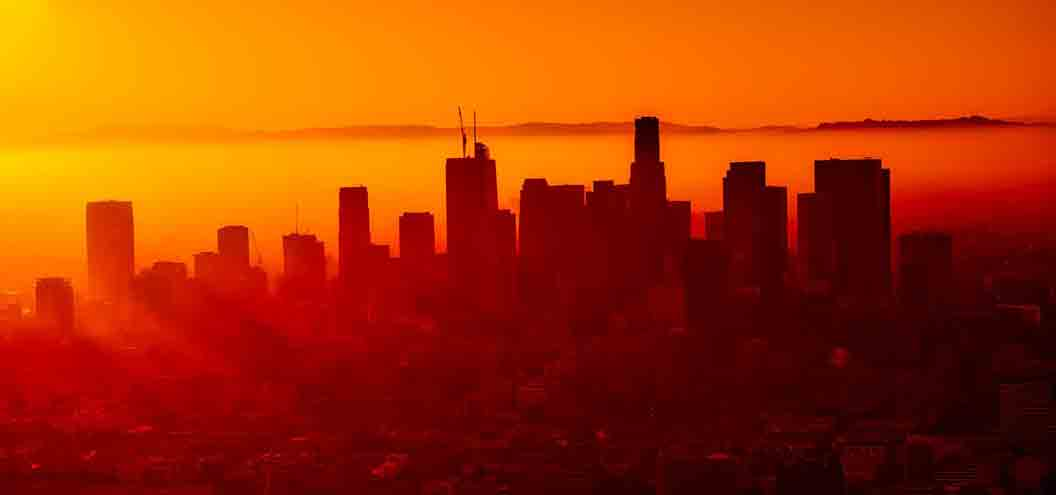
This summer 2026 was the hottest on record in the United States. For me, this had simply meant a confusingly October-esque scenery, a mandatory indoors staycation, and an extra tan, but across the country, extreme heat kills more people than every other type of weather event combined. And it’s not just this year that was an outlier; heat-related deaths have increased by around 117 percent over the past 24 years. Extreme heat has a much wider impact, though, worsening existing conditions and also leading to heat strokes, dehydration, and even reduced productivity or learning.
The UHI Effect
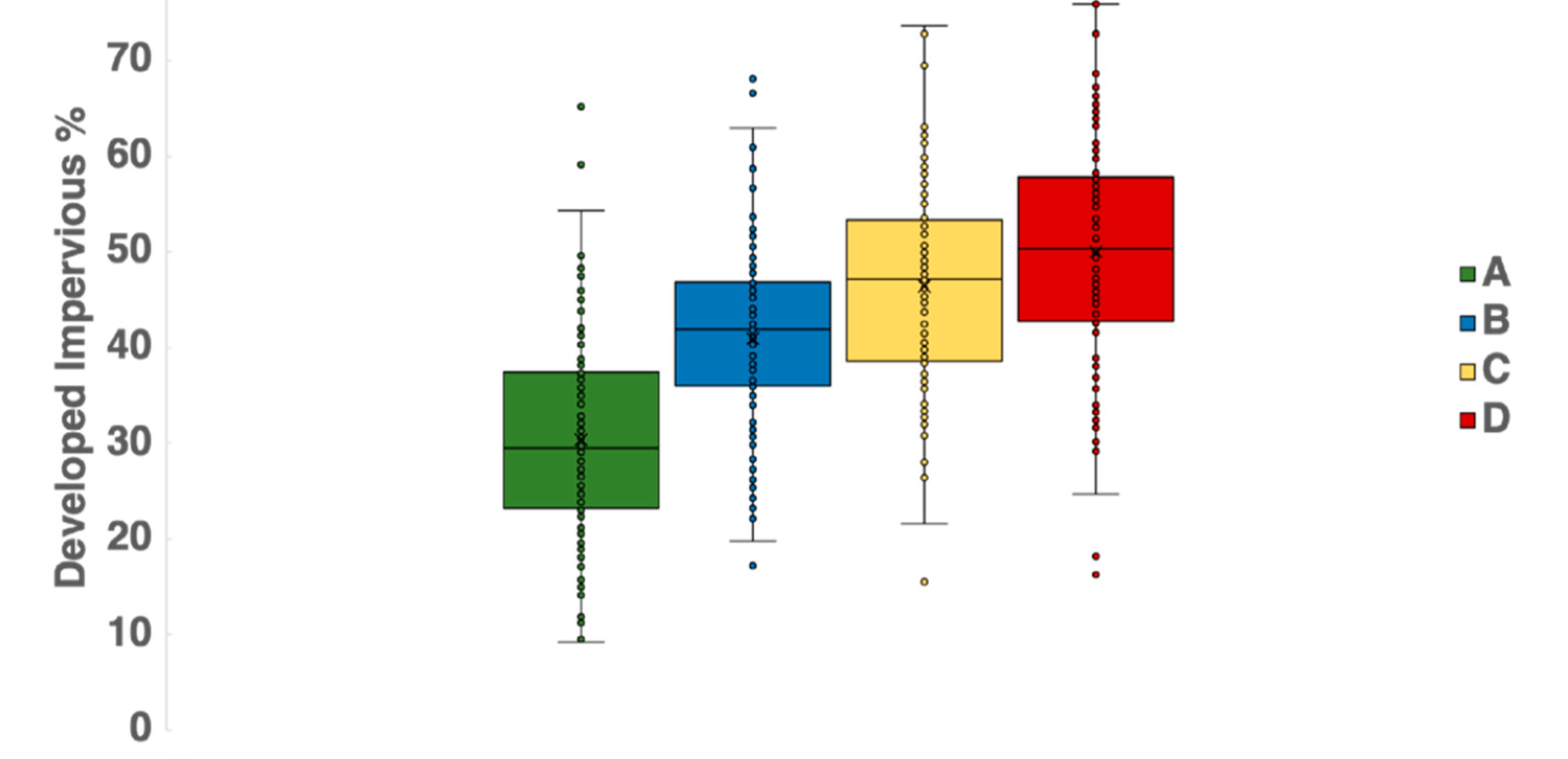
The urban heat island (UHI) effect refers to the discrepancy in temperature in metropolitan communities, exacerbated by human activity and the built environment, compared to neighboring rural areas. This effect is the combination of factors like low tree canopy, high impervious spaces (e.g., roads, parking lots, etc.), poor air circulation in crowded streets, and excess heat released by air-conditioning. All this can result in cities with temperatures around 10°F warmer than surrounding greener regions. But as each of these factors varies from community to community, a second layer of heat disparity can emerge even within the same city.
Economic and Racial Correlations
Extreme heat and global warming actually connect to a myriad of other topics: medicine, real estate, politics, language, and history. A study by Hsu et al. 2023 tracked the surface urban heat island (SUHI) across 175 of the largest cities in the contiguous United States. In all but 6 of them (97 percent), people of color experienced more intense heat than white people. What does this actually mean, though?
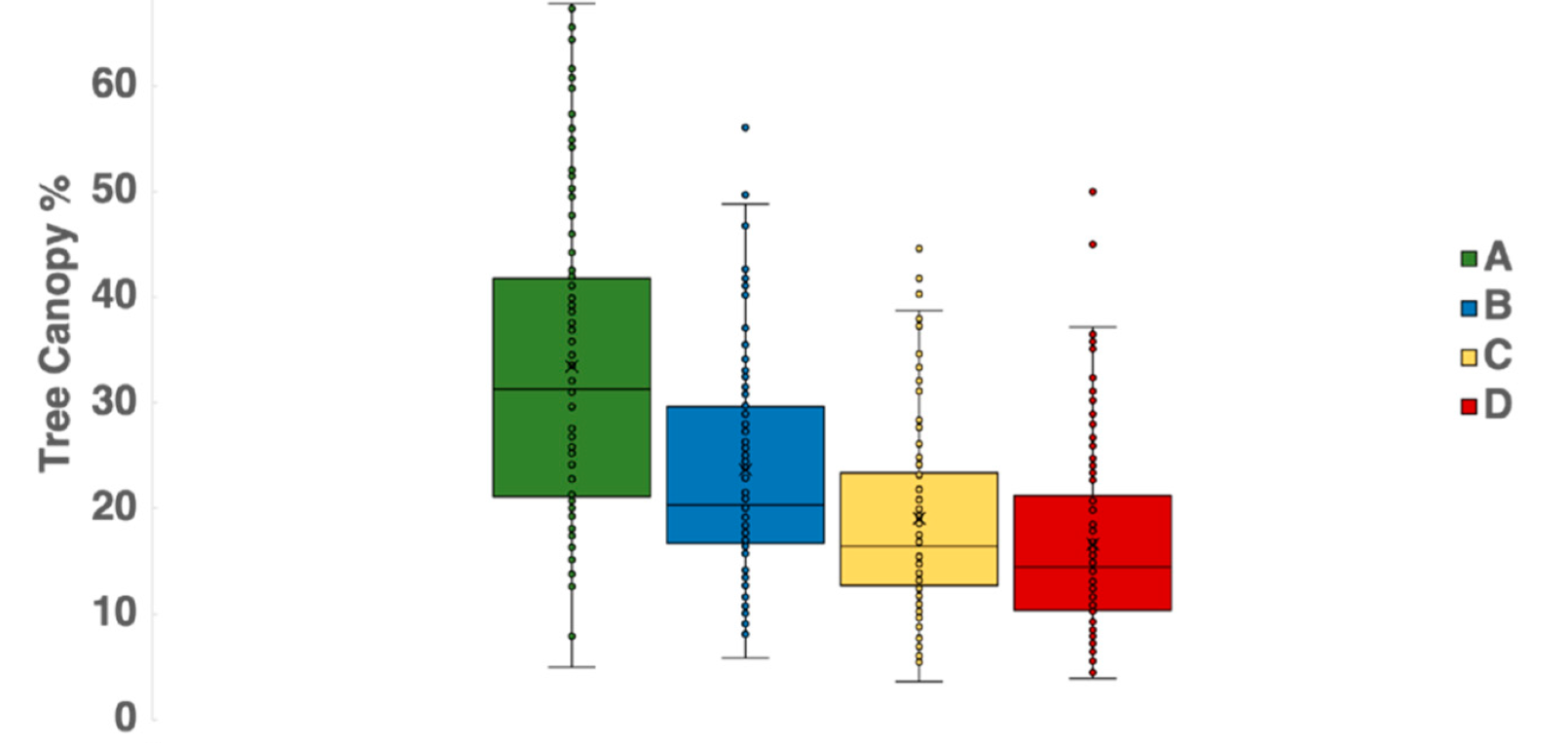
SUHI measures the temperatures of actual surfaces and then compares them to a baseline. While tree canopy absorbs heat through evapotranspiration, releasing water vapor into the atmosphere, asphalt has the opposite effect. This means that the concrete that makes up much of our cities stores heat throughout the day and releases it during the nights, making impervious surfaces reach temperatures of 120- 150 degrees. The difference is that more affluent communities usually have higher tree canopy and therefore lower temperatures. This is reflected in the findings that show that those living under the poverty line have an average SUHI intensity of 2.70 °C, going down for those living above twice that poverty line to 1.80 °C. Even though only 10 percent of people of color live below the poverty line, they still face higher average temperatures in 93% of cities. In fact, Black people’s SUHI exposure more than doubles that of a white person’s.
Why?
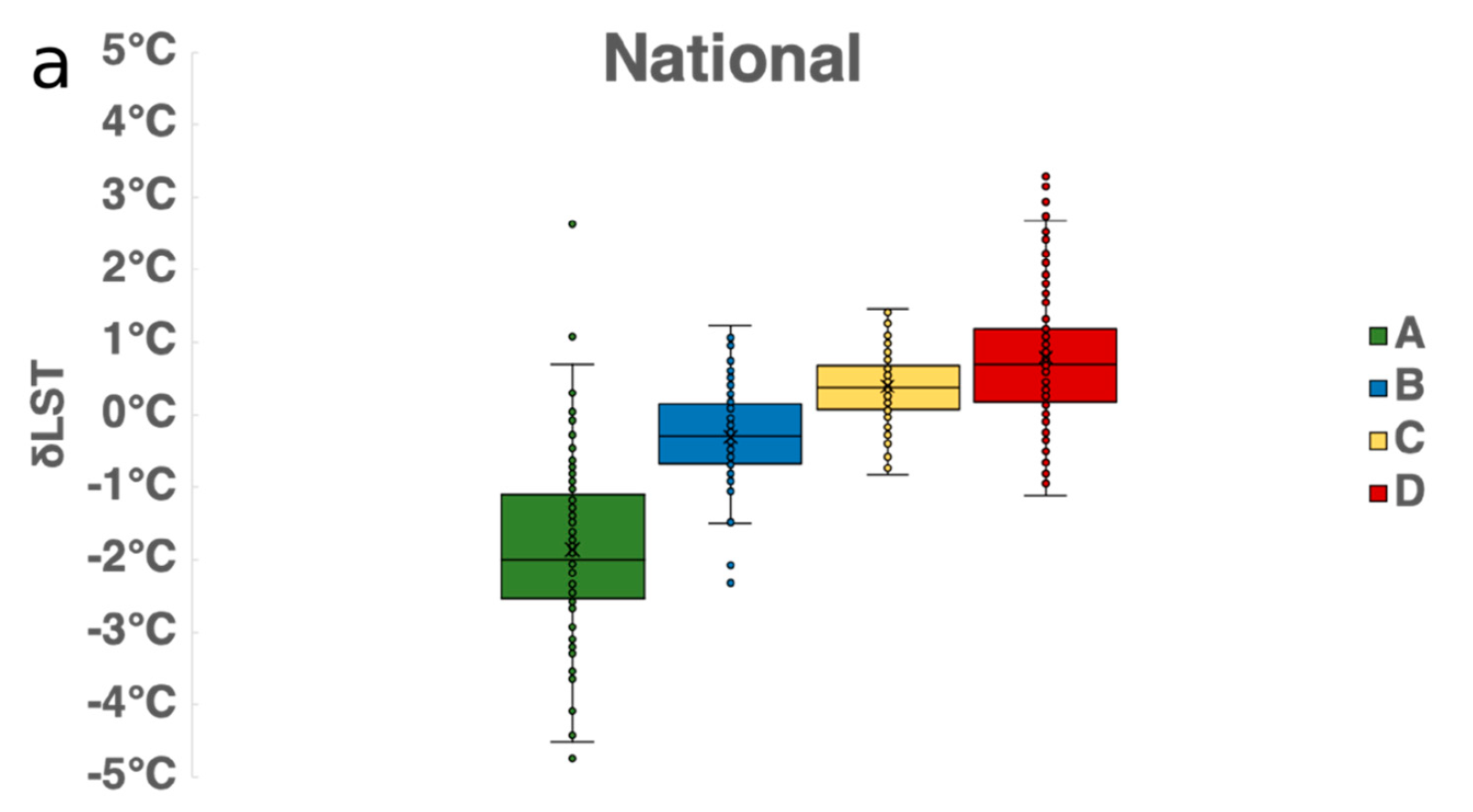
While we usually look to the future to understand the urgency and the effects of global warming, inequality takes root in the past. In the 1930s, in a bid to recover from the Great Depression, the Home Owners’ Loan Corporation (HOLC) worked to lower refinance mortgages to make housing more manageable. Simultaneously, though, they also created a map of 239 cities nationally and ranked their neighborhoods based mainly on racial makeup. The color-coded map outlined the neighborhoods from “Best,” A, outlined in green and “Hazardous,” D, areas in red. This is the source of the term redlining.
At the time, this map guided their offering access to financial lending and, over time, created a wealth gap. Even though redlining was banned as part of the Fair Housing Act in 1968, many redlined areas are still communities of color and continue to experience disinvestment, lower homeownership, and reduced credit access. This reduced access to resources affects heat as well. High utility bills can make air conditioning impossible; poor access to healthcare and fresh food can result in health conditions that increase vulnerability in extreme heat; and lack of transportation can rule out reprieve in cooling centers. In fact, in poorer communities, average weekly pay goes down by about 2.2 percent on days when the temperature rises above 90°F, even though this correlation does not exist for wealthier localities. Further, on average, heat-related hospitalizations cost an average 0f $1,000.00 more for patients of color compared to white patients. Therefore, this movement from nearly a century ago began a self-reinforcing cycle in more ways than just heat.
References:
Climate Central. (2024, July 9). Urban heat hot spots in 65 cities. https://www.climatecentral.org/climate-matters/urban-heat-islands-2024
Gaffney, A. (2024, August 27). Heat deaths have doubled in the U.S. in recent decades, study finds (published 2024). The New York Times. https://www.nytimes.com/2024/08/27/climate/heat-deaths.html
Hoffman, J. S., Shandas, V., & Pendleton, N. (2020). The Effects of Historical Housing Policies on Resident Exposure to Intra-Urban Heat: A Study of 108 US Urban Areas. Climate, 8(1), 12. https://doi.org/10.3390/cli8010012
Hsu, A., Sheriff, G., Chakraborty, T., & Manya, D. (2021). Disproportionate exposure to urban heat island intensity across major US cities. Nature Communications, 12, 2721. https://doi.org/10.1038/s41467-021-22799-5
Monitoring the U.S. temperature and precipitation in August 2026. National Centers for Environmental Information (NCEI). (2026, September 16). https://www.ncei.noaa.gov/news/national-climate-202608
Openchowski, E. (2022, August 3). The inequitable consequences of “heat islands” within the metropolitan areas of the United States and what to do about it. Equitable Growth. https://equitablegrowth.org/the-inequitable-consequences-of-heat-islands-within-the-metropolitan-areas-of-the-united-states-and-what-to-do-about-it/