About

Category: psychology

  • WHAT IS HUMAN NATURE?

    WHAT IS HUMAN NATURE?

    By Summer Chen

    ~ 7 minutes


    I grew up thinking that everyone is born evil. Even though I was told that people always tried to help each other, this wasn’t consistent with any of my experiences. Children would only stop bullying each other when they were told, people around me would steal from candy shops, my classmates would constantly lie and cheat. Contrastingly, I was also able to consider that some people were inherently kind – exemplified by when I felt a genuine desire to share my food with my sister (even though she is potentially the most annoying human I have ever met). This raised the idea of human nature to me – are we naturally good, or born to be evil?

    In a world where it is believed that everyone is evil and immoral, people would likely trust each other less. Relationships might struggle as they would be unwilling to resolve conflict due to lack of belief and trust in the other person. In politics, voting procedures which often rely on a positive view of society would come into question: should we allow people who do not have our best interests at heart to determine our lives? On the other hand, if everyone believed everyone was good at heart, then this would likely mean more rehabilitation and soft approaches to the criminals of society, and the capacity to point blame on external circumstances as a justification of one’s behaviour, meaning most people no longer feeling accountable for their behaviour and wanting to improve.

    This article explores the view that we are not born good or evil, but our society has a huge impact on shaping us to be ‘evil’.

    Nature is the concept of how humans are “supposed to be from the start” – how we are guaranteed to act from the minute we are born. One perspective that was shared by John Locke is that everyone is born with their minds in a ‘blank state’: the concept of tabula rasa. Everyone’s early experiences make them who they are, and nurture determines their actions. Contrastingly, some believe that nature heavily influences our daily actions, including whether we act morally good, or immorally evil.

    On the other hand, the concept of nurture regards how society teaches their children to act like, spreading influence through their behaviour. This concept is likely more about how society’s expectations change a person from when they are young and how their own personal stories and situations shape them.

    So I suppose the real question is: are we inclined to a certain set of actions because we are human, or do we conduct those actions due to our upbringing?

    Some believe that humans are born evil. People like Thomas Hobbes, for example, believed that because people have an infinite amount of wants but a finite amount of resources, therefore this leads to competition. For example, even if I don’t want resources (such as my friend’s snacks or a certain grade in school), I only want it because someone else has it.

    This competitive nature was thought to extend past material possession to a desire for superiority. He also thought that vanity and jealousy exist only because we live with other human beings. Both these factors, which exist when we are born, made him come to the conclusion that humans are inherently evil.

    Therefore, he believed that the only resolution society must make is to create a powerful absolute government to impose order, because human nature is completely savage with no interest outside one’s own.

    In contrast, some people are not as negative as Thomas Hobbes. These people think that we are inherently good but shaped by society to be evil. This is what Jean-Jacques Rosseau believed – the distinction between this and Hobbes’ argument differs in root rather than characteristic.  

    Rosseau thought people inherently want to serve each other and are innocent. His opinion was that we are all corrupted by negative environmental influences. An example of this corrupt society could include learning toxic competitiveness and selfishness through the taught desire to succeed.

    As a result, Rosseau developed the concept amour de soi, naming it a natural and healthy type of self-love which aims for peace and satisfaction. Contrastingly, he also defined amour propre, where one’s self-love is based on vanity, reputation and seeking approval. He deduced that amour de soi is natural and what we are born to be, while amour propre is defined by others and causes competition and conflict.

    In a natural isolated state of existence, he thought that humans are content with limited desires. He came to the conclusion that children should have upbringings of curiosity, freedom and exploration without being hindered and corrupted by society.

    However, a counter argument to this belief are multiple experiments on ‘The Game of Life’: a simulation where civilisation could live in a peaceful society if they wanted to. In multiple different situations and worlds, these simulated people constantly chose violence. This proved that when left to do whatever they want with society, people are naturally inclined to cause violence and chaos.

    But what if it’s really not that deep? What if we can just control who we are, whether we are naturally evil or not?

    That’s what Plato thought. Plato’s view was that we humans are like charioteers. We have our good sides and bad sides, like a charioteer drives two horses. But if the charioteer is strong and disciplined enough, he would be able to control both horses. The charioteer is a metaphor for our reason. To rationally control oneself with both, we are ultimately free to be who we want to be.

    Plato “resolves” both points through his perspective of nature. He says that we are not inherently evil or good, instead we can be either way and the only way to win in life is to be rational and smart.

    I don’t personally align with Hobbes’ belief that humans being savage and evil is natural. Instead, I believe that this is societal because our recent past has taught us that being selfish and evil will lead only to survival (e.g., the stone age, famine-stricken times, the transition to agriculture), and that we are not physically evolved to be self-interested. I’m not so inclined to Rosseau’s belief either, because I have no reason to believe it – I’ve never seen any justification that humans were certainly born with a natural inclination to be good.

    The reason I really do believe that Plato’s case is right to an extent is because I think everyone has some control over who they are, whether they become a bad person or not. But in conjunction with Rosseau, I strongly believe that it is a lot harder than Plato claims to control who you are in this kind of society – even if one hides behind the façade of being good, I think that we are all shaped by society to think selfish thoughts: increasingly in the last couple hundred years, society has shifted from being more communal to individualistic.


  • Mogging 101: How Should You Be Looksmaxxing?

    Mogging 101: How Should You Be Looksmaxxing?

    By Bela Koganti

    ~ 9 minutes


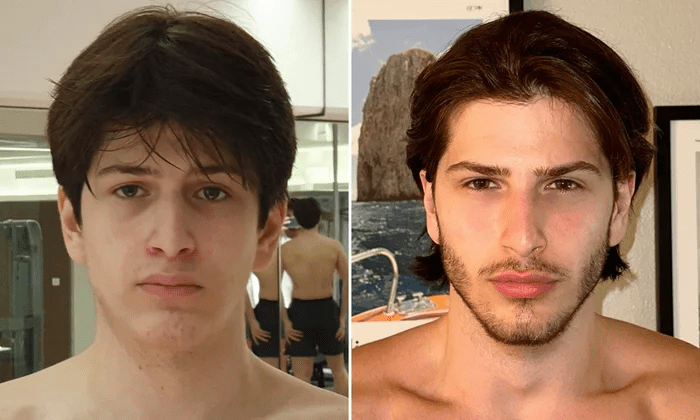
    Where were you when ASU frat leader frame mogged Clavicular? According to Merriam-Webster, looksmaxxing refers to:

    “efforts, sometimes extreme, young men take to look more attractive”

    Under the looksmaxxing umbrella, you’ve got frame mogging, black pill, True Adams, True Eves, and everything in between. Now, with so many terms thrown around Tiktok, Instagram Reels, and Youtube Shorts, it can seem impossible to figure out what’s real or how any of it even works. So, let’s embark on a journey through a few of the most popular looksmaxxing techniques.

    A Precaution

    Before we begin, it’s important to note that you absolutely do not need to do any of this. In fact, some of these techniques are much more harmful than beneficial, which we’ll explore. Your genetics and individuality  make you, you! So, even if you feel compelled to change on the outside, hold onto who you are on the inside and don’t damage yourself just to chisel your face a little more. Alright, now that we’re clear, let’s get started!

    Bonesmashing

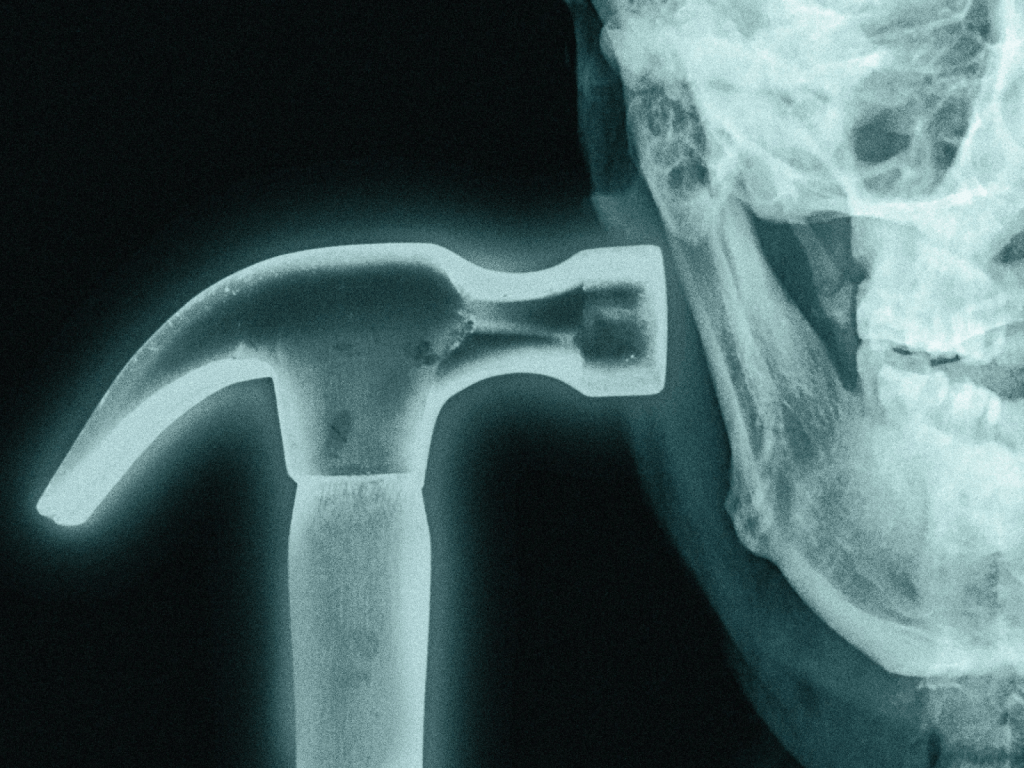
    We’re starting off with a scary-sounding and somewhat severe one. Bonesmashing is literally pummeling your facial bones–specifically those on your cheeks, chin, and jawline–with a hammer to alter your bone structure. Thanks to Wolff’s Law, many indulgers believe that the ‘bonesmashing’ changes the shape of their bones, therefore defining their faces. 

    In the nineteenth century, German surgeon Julius Wolff explored the observation that bones continuously reshape themselves as old, broken bones dissipate into the body and are replaced by new ones. Thus, he proclaimed that mechanical force and trauma to your bones can speed up the replacement process, making thicker bones; looksmaxxers adopted his theory, banking on the hope that those thick bones will appear more prominent and defined in their faces. 

    Charlie Sosnick / What is Bonesmashing? Inside the Extreme Looksmaxxer Technique / GQ

    Essentially, they hit their faces to break or ‘smash’ the bones and make new, chiseled ones. However, it really only makes them worse for the wear. The mechanical force Wolff discussed was really meant to mean exercising and lifting weights, not pummeling your face. While your bones may end up healing differently than before, you really don’t know that they’ll end up looking any better. Also, your facial appearance doesn’t just result from your bones. Tissues and organs could be irreversibly damaged, and pounding your skin could cause lesions that could easily get infected. Your nutrition and hormones also affect your bone health, so bonesmashing may not even do much at all. 

    Honestly, hurting yourself with whatever mallet you can find really isn’t worth it. Rather than ending up chiseled, it’s much more likely that your bones will reshape in unnatural looking ways or simply not change at all.

    Limb Lengthening Surgery

    Okay, this one is also intense! Limb lengthening surgery is a procedure in which a surgeon breaks the femur or tibia in a patient’s legs before putting a magnetic rod and pins inside the bone to ensure and manipulate a lengthened bone. Post-op, patients adjust the rod a little each day, stretching out the bone, muscles, tendons, skin, and arteries. Generally, limb lengthening surgery can make you up to six inches taller. Limb lengthening was first meant to fix leg length differences and misalignments from birth deformities, disease, and injuries. However, it has recently become a popular cosmetic surgery.

    Leg-lengthening surgery takes the world by storm / EastCoast Radio

    While many look at limb lengthening surgery and only see the promise of getting taller, you’re also sidelined for quite a while after surgery. You’d likely need extensive physical therapy to recover, and you could be unable to exercise- or even walk unassisted- for about twice as long as the months spent adjusting the rod. For instance, if you spent three months stretching your legs out, you’d spend another six months fully sedentary or, if you’re lucky, doing minimal walking with crutches and walkers. And of course, you’d need multiple follow-up appointments with your doctor. Jeez. 

    Other than being bored to death during the recovery phase, there are multiple risks associated with limb lengthening: blood clots; infection; damage to nerves and blood vessels; improper and misaligned bone healing; tightness; and the rod malfunctioning, causing you to need another surgery. 

    Of course, limb lengthening surgery is a terrific option for you if you really, really, want to get taller, or if it’ll correct leg length misalignments. However, you must be ready to undergo months of sedentariness, thorough physical therapy, numerous doctor appointments, and the aforementioned side effects and risks, which could require even more surgery or lead to severe health issues. 

    If you’re absolutely certain that this is the surgery for you, go for it! But if you have even an inkling of doubt, reevaluate whether all this pain is worth a couple inches.

    Haircuts

    Finally! We’ve made it to something a little more accessible and relevant for the average person. All over social media, influencers have been pushing the narrative that haircuts significantly change people’s perceptions of your attractiveness (think: that popular haircare line BASED, those obviously dramatized haircut transformations, and arguments over whether people’s natural hair colors suit them best). But is this true?

    In a study done by Nobert Mesko and Tamas Bereczkei, women’s faces were evaluated on femininity, youth, health, and sexiness when wearing six different hairstyles (short, medium-long, long, disheveled, in a bun, and unkempt) in comparison to faces that were bald (basic face). They found that only long and medium-long hair positively and significantly affected the evaluation rankings. Actually, the category that longer hair most affected was health—the male raters thought the women appeared more healthy with longer hair, even if they rated them lower on overall attractiveness. So, Mesko and Bereczkei theorized that because having longer hair is much more expensive than short (shampoo costs, haircuts, etc), it is associated with being more wealthy and having better genes. 

    Pretty interesting, right? Here’s a blog post that claims to know the correlation between haircuts and overall beauty. But remember—this is a blog, so it can’t really be trusted for anything more than basic observation skills. Pouya Zoghipour says hair color, length, and texture are the biggest factors. According to her, hair color comes with stereotypes, so you adopt those when meeting other people. About hair length, she doesn’t say what’s ‘best’ but believes that

    “Long hair is often associated with femininity and youthfulness, while shorter hairstyles can convey confidence and assertiveness.”

    Zoghipour also emphasizes that you must learn to understand and work with your natural hair texture, saying that

    “Curly hair is often seen as playful and energetic, while straight hair is perceived as sleek and sophisticated.”

    She has other tips, but these are her main three. 

    A Yale study, on the other hand, emphasized the correlation between your hair and your self-esteem. Think about it: if you wake up late with crazy hair and have no time to fix it, you’ll probably feel a little self-conscious all day, and you’ll probably be a little more reserved. You wouldn’t really be able to give as much energy and enthusiasm as you would on a day where, well, your hair looked fantastic and you felt fantastic. Look good, feel good, right? Plus, waking up late and not loving how your hair looks can often feel like the first sign of a bad day, so you can sometimes end up seeking out the inconveniences in your day.

    So, while your hair somewhat impacts how attractive others think you are, it can also impact how you feel and your outlook on your everyday life. You know, I’d agree with Zoghipour that learning to love and care for your hair can pay fantastic dividends!

    How Looksmaxxing Affects You, Not Just Your Face

    Although the aforementioned ‘look good, feel good’ phrase is real and working, I’d argue that finding comfort and joy in the way you look now is much more impactful than crushing up your facial bones or getting surgery for a few more inches of height. While such strategies can absolutely help your self-confidence, just accepting and loving who you are now is a better long-term solution and can also protect you from any impostor syndrome. 

    According to Oxford Languages, impostor syndrome is

    “the persistent inability to believe that one’s success is deserved or has been legitimately achieved as a result of one’s own efforts or skills.”

    I mean, a core belief of  looksmaxxing is that those who are attractive have life easier. If you only found happiness and success after changing yourself down to the bone, you might catch a little bit of impostor syndrome.

    And looking past how you see yourself, what about how you see others? When you fall so far down the rabbit hole of examining and picking apart yourself, when do you begin doing it to the people you see walking down the street? Personally, I already see looksmaxxers analyzing innocent teens’ lip syncs all over TikTok. Can you imagine doing that in real life?

    Of course, looksmaxxing is often just an odd and pretty comedic way to disguise attempts to better your appearance. However, in some cases, two funny bonesmashing videos can soon lead to two hours on the black pill side of the internet, and that can lead to an entire adolescence spent critiquing and completely changing yourself. So, proceed with caution, and remember that none of this is actually necessary. 


    References

    Lee, B. Y. (2023, October 2). ‘Bone smashing’ TikTok trend, here are dangers of hammering your face. Forbes. https://www.forbes.com/sites/brucelee/2023/09/28/bone-smashing-tiktok-trend-here-are-dangers-of-hammering-your-face/?sh=509590387a92 
    Limb lengthening surgery. (n.d.). Penn Medicine. https://www.pennmedicine.org/treatments/limb-lengthening 
    Martinez, M. (n.d.). Bone smashing doesn’t work. What to do instead. PerfectB. https://www.perfectb.com/does-bonesmashing-actually-work-a-doctors-guide-to-the-looksmaxxing-trend/ 
    Mesko, N., & Bereczkei, T. (2004). Hairstyle as an adaptive means of displaying phenotypic quality. Human nature (Hawthorne, N.Y.), 15(3), 251–270. https://doi.org/10.1007/s12110-004-1008-6
    Sarah. (n.d.). The importance of hair in making a first impression. Belgravia Centre. https://www.belgraviacentre.com/blog/the-importance-of-hair-in-making-a-first-impression 
    Zoghipour, P. (2024, August 24). Does hairstyle affect attractiveness? Sabanci University. https://myweb.sabanciuniv.edu/pouyazoghipour/2024/08/24/does-hairstyle-affect-attractiveness/ 

  • Who Are We? Reclaiming Human Essence in the Shadow of AI

    Who Are We? Reclaiming Human Essence in the Shadow of AI

    By Annabel Hao

    ~ 13 minutes


    “Strength through Discipline! Strength through Community! Strength through Action!” Students repeat their motto with mounting fervor as they march through the school, gripping yellow membership cards stamped with the words, “The Wave.” Faces once alive with individuality now hold a single, unwavering resolve. The students’ expressions remain solemn as they perform their new rituals: a crisp salute, rigid posture, and the collective mantra that binds them together. In the novel, The Wave by Todd Strasser, Mr. Ross established The Wave as an experiment to allow both himself and his students to understand the allure of fascism. Yet within days, the movement grows far beyond its intended boundaries. When chaos overtakes the school, Mr. Ross realizes he must end the experiment and confront the students with the unsettling truth behind their conformity. Both Mr. Ross and his students surrendered their humanity for a false, distorted sense of equality. This artificial “equality” captivated members, arousing a newfound sense of “belonging” and “purpose”. Freedom of speech diminished, individuality eroded, and students yielded to a homogenous collective. 

    The Wave, therefore, serves as a sinister testament to humanity’s susceptibility to groupthink, and the ease with which individuals can be molded into oppressive uniformity. Today, this experiment feels like a chilling precursor to the risks of losing ourselves in an increasingly AI-driven world. Just as The Wave obscured critical thinking and individual expression, AI has the potential to limit what makes us human. The rapid integration of AI and the temptation to rely on it for convenience paint a troubling future in which genuine creativity and critical thought may fade. Yet this future is not inevitable, because the nature of AI’s impact depends entirely on how we choose to use it. 

    To fully analyze the effects of AI on humanity, one must begin with a fundamental question: What does it mean to be human? But this singular question, if answered, can unwrap the myriad of enigmas, complexities, and misconceptions that surround human life (Farrar). For thousands of years, we sought to capture the vastness of human experience. Why are we unique among other species? Our existence is an anomaly, characterized by “our capacity for abstract thought, emotional depth, complex communication, and moral reasoning” (Goldstein). Humanity is not defined by any singular trait but rather by the collective interplay of these qualities as they converge (Goldstein). While we share this planet with countless other species, we deviate from the ordinary due to our “humanness,” which enables unparalleled innovation and rapid technological advancements. Although other species are primarily fueled by instinct and a response to immediate needs, humans conceptualize abstract ideas, imagine infinite possibilities, and envision a future shaped by purpose (Goldstein). These capabilities are the pillars that propelled our evolution from primitive ancestors to thinkers and creators who crafted culture and technology. 

    As generative AI rapidly gains momentum, it becomes more imperative that we embrace the qualities that make us human. Compassion and empathy have always fueled human progress, for they establish interpersonal relationships which in turn ensure that ideas are shared and built upon. Compassion bridges divides, and empathy encourages understanding across cultures and ideologies. When guided by human values, technology becomes a force that elevates humanity. Ethical considerations must guide technological development, ensuring innovations truly enhance the quality of life, rather than undermining these fundamental principles (Goldstein). As we look towards the future of AI, the defining question should not be what the tool can achieve but how we choose to use it. Will we rely on it excessively and accept the consequences, or will we harness it responsibly to build a future worthy of human potential?

    Yet, what happens if our humanness is slowly eroding, layer by layer, until our creativity, compassion, morality, and sense of identity dissolve into algorithmic uniformity? Ironically, AI was once valued as a tool that empowered creativity and enhanced the diversity of human intelligence. Today, it often does the opposite. Convenience encourages overdependence, leading people to substitute AI for learning, creating, and thinking. The rush to monetize AI reveals a troubling trend: the replacement of human intelligence with AI intelligence. Why learn to write when an AI can do it for you? Why should we bother improving our own musical skills when AI can compose a piece in seconds? Overreliance weakens our intellectual autonomy, narrowing the richness of human thought (Bernt, Torsten). In a world where greed, selfishness, and profit dominate, the overreliance on AI can motivate us to sacrifice our intellectual and creative autonomy. The incompetency of AI’s content is due to its inability to “create from the heart or soul; it regurgitates patterns based on the vast datasets it has consumed” (Bernt and Torsten). Thus, when everyone draws out of the same pool of creativity and knowledge, humans lose the uniqueness and imperfection that defines human work. The “dumbification” of humanity yields a society where cultural output becomes sterile, where creativity is reduced to a series of predictable algorithms – one where humanity loses its ability to think critically.

    Increasingly, people allow statistical analysis and data-driven profiling to define them. Who we are and what we should do can be “answered” by AI, which can ultimately “anticipate” our next shopping choices, political leanings, and even our potential career paths, thus creating the illusion that identity is something computed rather than cultivated. In reality, reliance on these systems risks surrendering the formation of identity to technology. Identity should be something we actively shape, not something determined by patterns in our digital footprint. We should be able to choose who we are (Leuenberger). We should be the ones who nurture, develop, and shape our identity. We may lose skills for “self-creation, calcify [our] identity, and cede power over [our] identity to companies and government” (Leuenberger). In our quest to build machines that mimic or surpass human intelligence, it is evident that we have underestimated the value of our own minds. AI doesn’t experience valuable emotions such as joy, pain, loss, or love. Authentic creativity emerges from lived experience, not from data analysis.  

    In any artistic practice, the process itself determines the value of the result. I recently read an artist lamenting that drawing feels pointless if machines can do it better. “What is the point in drawing if there are machines out there that can do it better than us?” In reality, the significance of art lies in the perseverance, reflection, and self-expression that arise in the process. The imperfections that reveal a personal struggle or a moment of insight give art its authenticity. Additionally, “better” is a subjective word that is open to interpretation, but I believe “better” defines any work that reflects the artist’s unique identity in a way that surprises yet resonates with the viewer. A piece resonates when it carries the weight of a lived experience. AI “can only learn how something ‘should’ sound or look by analysing huge amounts of existing work” (Ehrhardt). Artists like Billie Eilish and Lana Del Rey channel emotions rooted in memory, vulnerability, and human experience. 

    People who fear that AI alone could endanger humanity often argue that we are victims of the AI effect – a human tendency to emphasize the human attributes we do not share with AI. Traits such as “humor, having a personality, holding beliefs, having relationships, upholding a culture, etc.” are said to have become increasingly important to us as humans (Simmons, Santoro, and Monin). As AI becomes more ubiquitous, it is only logical that individuals will place greater importance on soft skills that help humans stand out and express their values. However, it is not true that we reinforce the skills that distinguish humans merely because we are afraid of AI’s intelligence and the possibility of a future where machines triumph, and we are left redundant. In reality, “the future lies not in AI versus humans” (Flitter), for both parties possess unique strengths that complement one another. Although AI may surpass humans in some conventional aspects of intelligence, such as efficiency, data processing, precision in calculations, strategic decision-making, complex mathematical concepts, or pattern analysis, humans possess a special form of intelligence that operates on cognition, emotional intelligence, creativity, and adaptability (Uniyal and Kumar). Instead of fearing AI as a replacement, we should view it as a powerful tool that, when used ethically and in conjunction with human intelligence, can render unprecedented advancements and improvements in various fields.

    In the resolution of The Wave by Todd Strasser, Mr. Ross holds an assembly for members of The Wave, understanding that it must end. Within this assembly, Mr. Ross sees his experiment through to a powerful conclusion by teaching members the lesson he intended to teach: the potent dangers of collective equality. Today, humanity experiences a rendition of The Wave as we lose the essence of being human in an AI-driven world. Now, more than ever, we must ask: Where do we go from here? The answer is not to abandon AI entirely – it is a powerful tool that has the potential to enhance human capabilities while also boosting innovation. Although we cannot rally the world for an assembly like Mr. Ross, we can take a step towards an intelligent yet innovative future by educating those around us. 

    To start off, we must emphasize the importance of maintaining a balance to prevent the overuse of AI. With the balance in mind, we understand the importance of nurturing our problem-solving skills, creativity, and emotional intelligence alongside technological advancements (Samradni). We will learn to recognize that while a world driven by AI-generated mediocrity may be efficient, it is not fulfilling. In the long run, we can advocate for education systems to focus on encouraging and cultivating creativity, critical thinking, and emotional intelligence, skills AI cannot replicate (Bernt and Torsten).  If we continue to excessively rely on AI without reflection or change, we risk creating a society that is dull, homogenized, and devoid of human qualities. To find a balance between AI and human intelligence, we, as individuals, must continuously question: At what cost to our individual expression and autonomy do we allow AI to anticipate and potentially shape our choices? As Carl Sagan famously said, “For small creatures such as we, the vastness is bearable only through love.” In the vastness of AI, our humanness, with its blend of intellect, emotion, and morality, is the beacon that will light our way forward for a future worthy of our potential. 


    References

    Bernt, and Torsten. “The Death of Individuality: Has AI Made Us All the Same?” Torbjorn Zetterlund, 5 Jan. 2025, torbjornzetterlund.com/the-death-of-individuality-has-ai-made-us-all-the-same. Accessed 11 June 2025.
    Ehrhardt, Milan. “The Human Touch: Why AI Will Never Fully Replace Human Creativity.” Medium, 14 Feb. 2025, medium.com/%40milanehr/the-human-touch-why-ai-will-never-fully-replace-human-creativity-0159fd508834.
    Farrar, Jon. “What Does It Mean to Be Human?” BBC Earth, http://www.bbcearth.com/news/what-does-it-mean-to-be-human. Accessed 11 June 2025.
    Flitter, Justin. “Why AI Will Never Replace Humans.” AI New Zealand, 12 Jan. 2025, newzealand.ai/insights/why-ai-will-never-replace-humans?utm_source=chatgpt.com. Accessed 11 June 2025.
    Goldstein, Sam. “Being Human.” Dr. Sam Goldstein, samgoldstein.com/resources/articles/general/2025/being-human.aspx. Accessed 11 June 2025.
    Kumar, Aditya. “AI Vs Human Intelligence.” Simplilearn, 9 June 2025, http://www.simplilearn.com/artificial-intelligence-vs-human-intelligence-article. Accessed 11 June 2025.
    Leuenberger, Muriel. “AI ‘can Stunt the Skills Necessary for Independent Self-creation’: Relying on Algorithms Could Reshape Your Entire&Hellip;” Live Science, 27 Oct. 2024, http://www.livescience.com/technology/artificial-intelligence/ai-can-stunt-the-skills-necessary-for-independent-self-creation-relying-on-algorithms-could-reshape-your-entire-identity-without-you-realizing. Accessed 11 June 2025.
    Maheshwari, Rashi. “Advantages of Artificial Intelligence (AI) in 2025.” Forbes Advisor INDIA, 11 Apr. 2023, http://www.forbes.com/advisor/in/business/software/advantages-of-ai.
    Monin, Benoît, and Erik Santoro. “The AI Effect.” SPSP, 30 May 2025, spsp.org/news/character-and-context-blog/santoro-monin-humanity-artificial-intelligence-effect. Accessed 11 June 2025.
    “Response to WIRED’s Article on Wealth Inequality and AI’s Role in Personal Services.” Annie Advisor, annieadvisor.com/blog/response-to-wireds-article-on-wealth-inequality-and-ais-role-in-personal-services. Accessed 11 June 2025.
    Samradni, and Samradni. “Are We Relying Too Much on AI?” Analytics Insight, 27 Nov. 2024, http://www.analyticsinsight.net/artificial-intelligence/are-we-relying-too-much-on-ai. Accessed 11 June 2025.
    Simmons, Lee. “In An Age of Ubiquitous AI, What Does It Mean to Be Human?” Stanford Graduate School of Business, 14 Oct. 2022, http://www.gsb.stanford.edu/insights/age-ubiquitous-ai-what-does-it-mean-be-human. Accessed 11 June 2025.
    Staff, Coursera. “5 Benefits of AI to Know in 2025 (+ 3 Risks to Watch Out For).” Coursera, 10 June 2025, http://www.coursera.org/articles/benefits-of-ai?msockid=1253233d6550650a2101365b64fb649c. Accessed 11 June 2025.
    Uniyal, Mohit. “Artificial Intelligence Vs Human Intelligence – Key Differences.” Scaler Blog, 14 Oct. 2024, http://www.scaler.com/blog/artificial-intelligence-vs-human-intelligence/#will-ai-replace-humans. Accessed 11 June 2025.

  • The Antichrist (Peter Thiel) is Frankenstein

    The Antichrist (Peter Thiel) is Frankenstein

    By Aravli Paliwal

    ~12 minutes


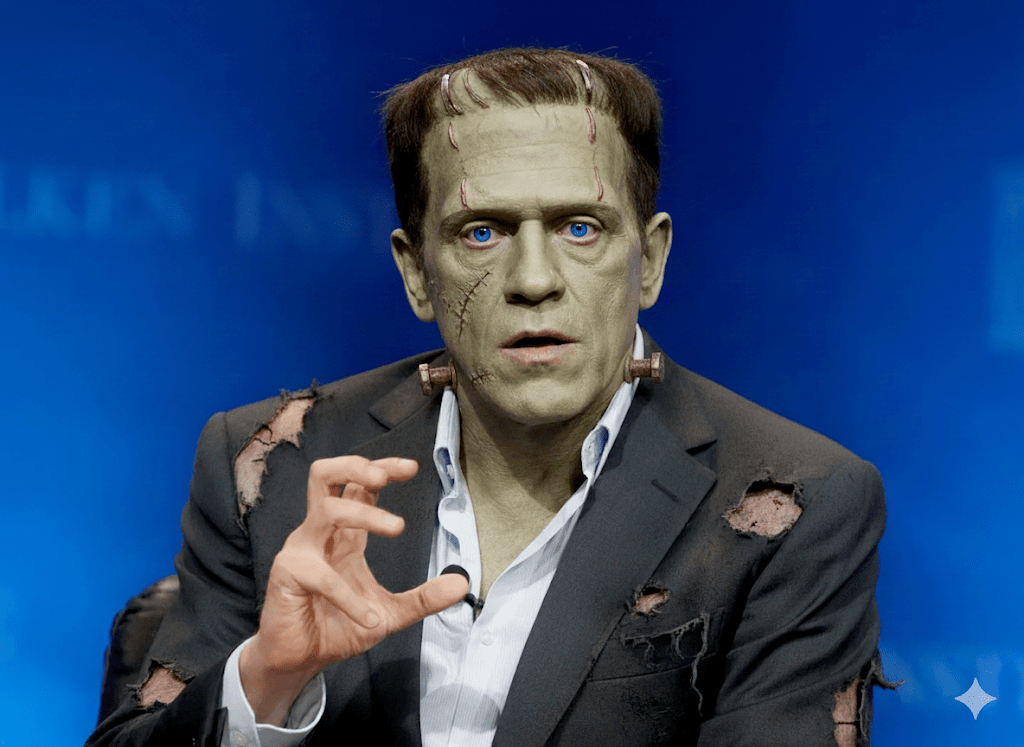
    When asked if he would “prefer the human race to endure” by podcaster Ross Douthat, billionaire Peter Thiel stumbles and hesitates, viscerally conflicted on a straightforward question. “Uh- well I- I don’t know, I would- I would, um” it takes Thiel around 19 seconds just to spit out a yes, and he quickly shifts the topic of discussion thereafter. So, is this another egotistical billionaire who believes he is superior to the plebian human race? While seemingly affirmative on the surface, a deeper examination of Thiel’s esoteric ideologies—when paired with his immense wealth—reveals their capacity to influence millions.

    Who is Peter Thiel?

    Co-founder of PayPal and Palantir, partner of Founders Fund, a venture capital firm with a notable portfolio including SpaceX, OpenAI, and hundreds of other companies, and the primary source of funding for Vice President JD Vance’s campaign, Peter Thiel’s power oscillates across many sectors. While the wealth he has amassed from these investments has given him a platform that guarantees an audience for his views, it’s often those very views that generate even more attention.

    Over the last year, Thiel has orchestrated a series of private lectures in San Francisco where he discusses the antichrist and inevitability of Armageddon. In short, he believes that an antichrist figure (modeled after philosophers who believe in policing and restricting technology) will enact extreme regulations on AI, as well as fearmonger the public with threats of nuclear war, climate change, and the possibility of World War III to consolidate supreme power. He goes on to note that an antichrist figure, under the façade of peace and safety, will actually act as a totalitarian, one-world state. Thiel believes this antichrist is “focused single-mindedly on saving us from progress, at any cost.”

    However, his views are inherently contradictory. Thiel is actively using Palantir to build defense and surveillance infrastructure for the government, funding the very tools that facilitate the possibility of a one-world regime that his own ideology warns about. Once a government relies on a single tech stack like Palantir for its security apparatus, that stack gains massive structural power. So, by steadily deepening its role within government technology, Palantir expands what any government could do if they ever chose to centralize power.

    Furthermore, the original vision for Thiel’s PayPal was to wholly replace government-controlled currency like the US dollar, with the ultimate goal of making it the main, independent source of money for all citizens. In a Stanford center for professional development lecture in 2014, Thiel stated,

    “If you’re a startup [like PayPal], you want to get to monopoly. You’re starting a new company, you want to get to monopoly.”

    Because this monopoly directly contradicts the competition that drives free-market principles, it becomes increasingly clear that if the future were to be a totalitarian one world state with a central, supreme leader in charge of all sectors, Peter Thiel would be the antichrist.

    And yet, this contradiction is indeed very strategic because theology with talks of an antichrist and Thiel’s background as a “small-o orthodox Christian” provides a moral cover. It reframes opposing viewpoints as evil and sacrilegious. With this antichrist narrative, Thiel characterizes those who believe in policing and restricting technology as enemies of God, utilizing religious justification to suppress them.

    But then, this would not be the first time that religion was manipulated for justification. Recently in my English class, we have been studying Mary Shelley’s Frankenstein, and that got me thinking about the parallels between Peter Thiel and Victor Frankenstein.

    Widely regarded as a literary classic, Mary Shelley’s Frankenstein provides one of the earliest and most enduring frameworks for understanding technocratic ambition and esoteric ideologies. Written in the early 19th century amid scientific experimentation rooted in Enlightenment principles, the novel reflects progress and its consequences. Victor Frankenstein’s pursuit of forbidden knowledge mirrors emerging technocratic impulses that prefer innovation over ethical restraint. As such, Frankenstein functions not merely as a Gothic cautionary tale, but as a foundational text for examining how power and technological aspiration intertwine to produce unintended, and often destructive, outcomes.

    Peter Thiel and Frankenstein on Transhumanism

    Thiel: “A critique of the trans people in a sexual context, or a transvestite, is someone who changes their clothes and cross-dresses […] but we want more transformation than that. The critique is not that it’s weird and unnatural, it’s so pathetically little. We want more than cross-dressing or changing our sex organs, we want you to be able to change your heart, and change your mind, and change your whole body.”

    Where Peter Thiel wants humankind to customize their preexisting bodies, Victor Frankenstein’s creature was the very product of this customization, and we saw the negative effects that this had on the creature, the creator, and the world around them. Victor hand-picked “limbs in proportion, and […] had selected [the creature’s] features as beautiful” (vol I, ch. IV, pg. 38). Frankenstein taught us that customization pulled us away from the characteristics that made us human, and by eradicating flaws with technological advancement, we lost the wabi-sabi that defined humanism in the first place. So, while Thiel’s bold statement of “changing your whole body” could just be futile technocrat jargon, or all bark and no bite, we saw the results of the unrestricted technology that Thiel advocates for in Frankenstein, and transhumanists like Thiel most certainly have the wealth, power, and connections to turn this fictional story into a utopian reality.

    Peter Thiel and Frankenstein on Defying Nature

    A couple minutes later in the same interview, Douthat facilitates a discussion tying religion, nature, and technology together, asking Peter Thiel how each piece of the puzzle fits.

    Ross Douthat: “The promise of Christianity in the end is the perfected body and the perfected soul through god’s grace. And the person who tries to do it on their own with a bunch of machines is likely to end up as a dystopian character.”

    Thiel: “I think the word ‘nature’ does not occur once in the Old Testament, and the way I understand the Judeo-Christian inspiration, is [that] it is about transcending nature.”

    While he is correct that the word ‘nature’ does not appear in the Old Testament, allusions to the physical world and all real things go hand in hand with God’s creation, and therefore intrinsically link nature to the Old Testament.

    But then, let us look at transcending nature from a more universal perspective, one that is not hinged on religion where messages are entirely different based on where you are in the world and what family you are born into.

    In Frankenstein, nature famously retaliates when Victor pushes the boundaries, with Mary Shelley incorporating the sublime setting to suggest that the scientist is consistently outmatched by natural power. Gloomy weather and hostile landscapes mirror Victor’s loss of control, and as he approaches the creation’s completion, the world outside his laboratory is anything but bright. Instead, this ‘achievement’ takes place “on a dreary night of November” where “the rain patter[s] dismally against the panes” (vol I, ch. IV, pg. 37-38). This miserable setting foreshadows Victor’s lifelong misfortune, where the creation triggers his manic, depressive spiral that lasts until the end of the novel. It also signals a larger theme where any attempt to violate nature sets off consequences that no human mind can contain. The novel’s final setting in the brutal Arctic cold further underscores nature’s ultimate authority. Victor, still convinced he can overpower the natural world, instead collapses under the weight of his ego and dies in the ice. His fate teaches us that attempts to defy nature’s boundaries inevitably collapse under forces far greater than human will.

    It is worth noting that Shelley uses mother nature, something traditionally referred to in a feminine context due to its life-giving and nurturing qualities, to highlight male arrogance. Victor himself characterizes the Alps as female, a clear reflection of omnipotent fertility, and on his wedding day, Victor admires “the beautiful Mont Blanc, and the assemblage of snowy mountains that in vain endeavor to emulate her” (vol. III, ch. V, pg. 145).

    Peter Thiel and Frankenstein on Gender Roles

    However, when it comes to Frankenstein and Peter Thiel, opinions on gender roles fly a little under the radar because neither party truly hates women at all. In fact, in a 2016 Bloomberg interview Thiel acknowledges gender disparities in tech, where “only 2 out of 150 [Silicon Valley startups] had woman cofounders, and if you’re 148 to 2, that’s a crazy lack of balance”. While many journalists paint Thiel as a pure misogynist, what they fail to understand is that women don’t follow his libertarian agenda, and Peter Thiel, a man who desperately works to control every single sector, takes issue with this. In Peter Thiel’s essay, The Education of a Libertarian, he states, “since 1920, the vast increase in welfare beneficiaries and the extension of the [voting] franchise to women — [are] two constituencies that are notoriously tough for libertarians.” So, this push for gender inequality stems from a lack of control.

    As I mentioned earlier, because Frankenstein cannot control mother nature, something with nurturing, feminine qualities, he instead feels the need to rape her and “penetrate into the recesses of nature and show how she works in her hiding-places” (vol. I, ch. II, pg. 31). Victor’s irrational fear of building a female creation also stems from a lack of control. According to him, this woman could become “ten thousand times more malignant than her mate” or “turn with disgust from [the male creature] to the superior beauty of man; [leaving him] deserted by one of his own species” (vol. III, ch. III, pg. 124-125). This female creature would have independent free will, along with autonomous opinions and beliefs that could not be controlled by him nor his male creature.

    “Terrified of female sexuality and the power of human reproduction it enables, both he and the patriarchal society he represents use the technologies of science and the laws of the polis to manipulate, control, and repress women.” -Anne K. Mellor, Professor of English Literature and Women’s Studies at UCLA

    And the even crazier part? Both Victor Frankenstein and Peter Thiel prefer other men as romantic and sexual partners. This preference reinforces a desire for relationships they can idealize and control, in contrast to the autonomy they both fear in women. Both Thiel and Frankenstein desire absolute authority, whether in the natural world or the social one. In this framework, women emerge as forces that resist their power, refusing to align with their overarching agenda.

    Peter Thiel and Frankenstein on Technological Stagnation

    Thiel: “It wasn’t zero, but 1750 to 1970 — 200-plus years — were periods of accelerating change. We were relentlessly moving faster: The ships were faster, the railroads were faster, the cars were faster, the planes were faster. It culminates in the Concorde and the Apollo missions. But then, in all sorts of dimensions, things had slowed. […] So, yes, I think broadly we’re in this world that’s still pretty stuck, but it’s not absolutely stuck.” Hans Jochen Scholl, Professor at University of Washington carefully dissects Thiel’s stance:

    “At the core of Thiel’s narrative lies a romantic expectation that innovation should appear as discrete, dramatic breakthroughs—visible, monumental, and physical. Yet history and philosophy suggest otherwise.”

    History does, in fact, suggest otherwise. Victor Frankenstein often felt “discontented and unsatisfied” with modern philosophy of the time, and much preferred the ancient, occult philosophical texts of Agrippa and Paracelsus that focused on magical systems and other imaginative ideas relatively ahead of their time (vol. I ch. I. pg. 25). In fact, Paracelsus effectively served as the blueprint for contemporary transhumanists like Frankenstein and Thiel, and “looked beyond the limits of the human condition, even going so far as to give detailed instructions about how to create a homunculus” (Bjork, 24). To Victor, scientific innovation of the 1800s looked stationary and “promise[d] very little,” clearly diverging from Paracelsus’ dramatic breakthroughs with the potential for monumental impact (vol. I, ch. II, pg. 31). This stagnant characterization aligns with Thiel’s, who also believes that technological advancement is exclusive to big, inspiring events like the Concorde and Apollo missions he mentions in the interview.

    What I find particularly ironic is how the comparison between Peter Thiel and Victor Frankenstein fundamentally debunks each man’s argument. Where Thiel highlights peak innovation from 1750 to 1970, Frankenstein believed that innovation during this exact timeframe felt boring, stagnant, and uninspiring. With this logic, a future technocrat in another couple hundred years might find their modern technological progress particularly stagnant and look to the glory days of the 21st century. Because stagnation is a concept built on perspective, and relative to the eye of its beholder, it becomes a manufactured narrative that these men use to justify their ideologies, rather than a factual trend worth analyzing.


    References

    Bjork, R. E. (n.d.). Beasts, humans, and transhumans (Vol. 45). Arizona Studies in the Middle Ages and the Renaissance.
    Bloomberg. (2016, April 12). Peter Thiel on women in tech [Video]. Bloomberg.
    https://www.bloomberg.com/news/videos/2016-04-12/peter-thiel-on-women-in-tech
    Cato Unbound. (2009, April 13). Education and libertarianism.
    https://www.cato-unbound.org/2009/04/13/peter-thiel/education-libertarian/
    Clay, E. (n.d.). [Article on transhumanism]. Northwestern University.
    https://rprt.northwestern.edu/documents/clay-article-3.pdf
    Complex. (n.d.). Peter Thiel hesitates the human race may survive.
    https://www.complex.com/life/a/cmplxtara-mahadevan/peter-thiel-hesitates-human-race-survive
    Douthat, R. (2025, June 26). Peter Thiel and the Antichrist. The New York Times.
    https://www.nytimes.com/2025/06/26/opinion/peter-thiel-antichrist-ross-douthat.html
    Founders Fund. (2023, August). The diversity myth, 30 years later.
    https://foundersfund.com/2023/08/diversity-myth-30-years-later/
    Guardian Staff. (2025, October 10). Peter Thiel lectures on the Antichrist. The Guardian.
    https://www.theguardian.com/us-news/2025/oct/10/peter-thiel-lectures-antichrist
    Mahadevan, T. (n.d.). Peter Thiel hesitates the human race may survive. Complex.
    https://www.complex.com/life/a/cmplxtara-mahadevan/peter-thiel-hesitates-human-race-survive
    Mellor, A. K. (n.d.). Frankenstein: A feminist critique. University of Pennsylvania.
    https://knarf.english.upenn.edu/Articles/mellor6.html
    Reich, R. B. (n.d.). Women got the right to vote 104 years ago today… [Facebook post]. Facebook.
    https://www.facebook.com/RBReich/posts/women-got-the-right-to-vote-104-years-ago-today-billionaire-peter-thiel-says-tha/1040161870810593/
    Scholl, J. (2025, July 26). Flying cars, AI, and Peter Thiel’s myth of stagnation. University of Washington.
    https://faculty.washington.edu/jscholl/2025/07/26/flying-cars-ai-and-peter-thiels-myth-of-stagnation/
    Shelley, M. (2012). Frankenstein (3rd ed., Norton Critical Edition). W. W. Norton & Company.
    The sublime. (n.d.). Mary Shelley’s Frankenstein.
    https://maryshelleysfrankenstein.omeka.net/exhibits/show/mary-shelley-s-frankenstein/the-sublime
    Transhumanism, Frankenstein, and extinction. (n.d.). Academia.edu.
    https://www.academia.edu/43706522/TRANSHUMANISM_FRANKENSTEIN_AND_EXTINCTION
    Washington Post. (n.d.). Inside billionaire Peter Thiel’s private Antichrist lectures [Podcast].
    https://www.washingtonpost.com/podcasts/post-reports/inside-billionaire-peter-thiels-private-antichrist-lectures/
    Wired. (n.d.). The real stakes—and real story—behind Peter Thiel’s Antichrist obsession.
    https://www.wired.com/story/the-real-stakes-real-story-peter-thiels-antichrist-obsession/
    Wikipedia contributors. (n.d.). Peter Thiel. Wikipedia.
    https://en.wikipedia.org/wiki/Peter_Thiel


  • The Science Behind Flow State

    The Science Behind Flow State

    By: Maggie Wright

    ~ 3 minutes


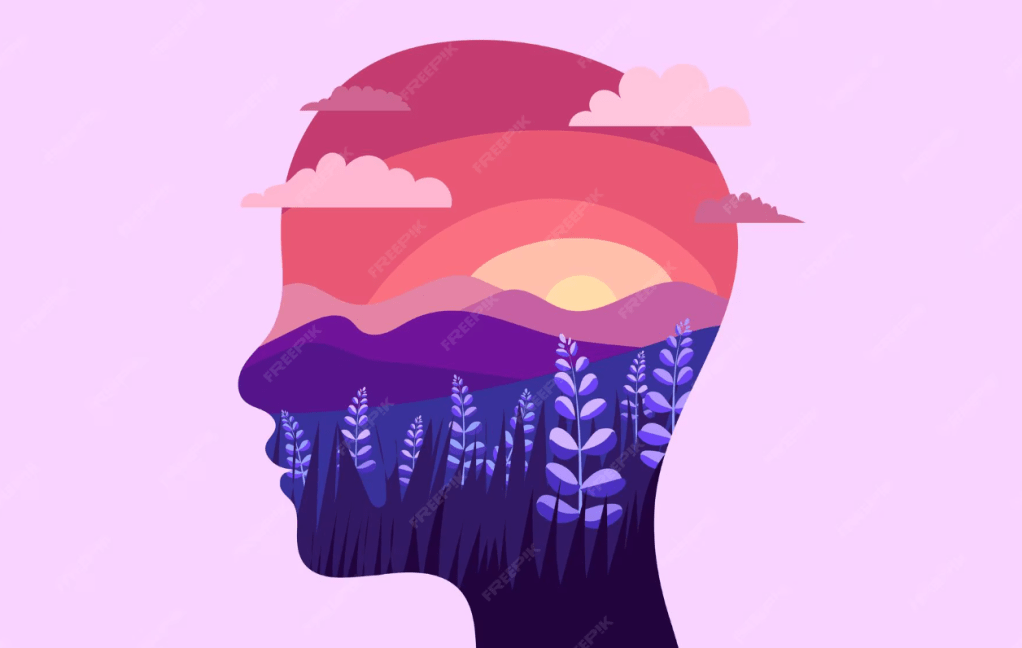
    Recently, the phrase ‘flow state’ has gone viral on social media, but most people have no clue what’s actually happening in the brain. Creative outlets for your brain start with the flow state, a mental state you can enter during creative activities like art, dance, writing poetry, or even giving a creative speech. When you are fully immersed in what you’re doing, the mind becomes deeply focused and present. This experience is known as the flow state.

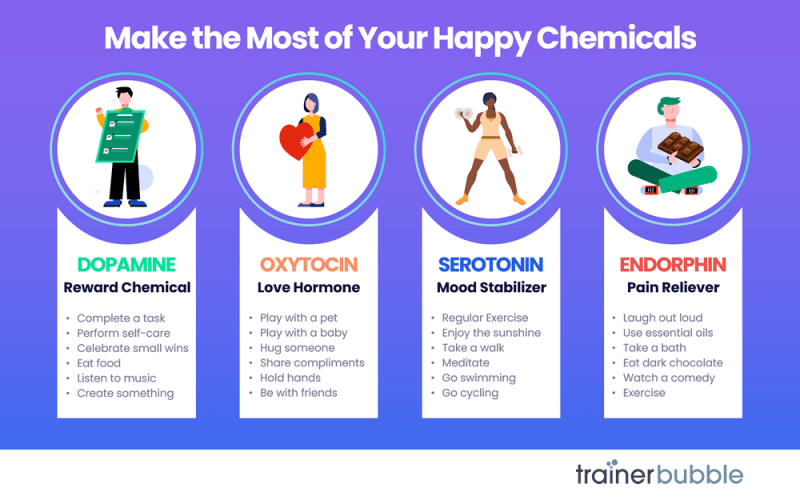
    Being in this state can trigger the release of feel-good chemicals such as dopamine, which is associated with pleasure and reward. These chemicals positively affect your brain chemistry and help bring it into balance. The more often you engage in creative activities that lead you into this flow state, the more positive the effects on your mental and emotional health.

    Make the Most of Your Happy Chemicals – Wellbeing Infographic / Trainer Bubble ©

    Routine also plays an important role in achieving flow state. While the brain may become bored with repetition, the discipline of regularly doing creative work helps maintain the steady release of beneficial brain chemicals. Over time, this habit becomes a powerful tool for supporting emotional stability and improving overall brain function. It can also increase your capacity to learn and help you stay in a more positive mood. Your brain is like a muscle that can grow and change with use. Just as going to the gym strengthens your body, creative outlets help strengthen your brain. Whether you’re solving mental math problems, dancing, writing, or painting, these activities exercise the brain in meaningful ways, and with time, you will begin to notice progress in your thinking, mood, and emotional resilience.

    Creative outlets are not just helpful in the long-term, they also provide temporary support. These outlets allow you to process emotions, deal with stress or trauma, and reflect on your day in a positive way. This results in a clear headspace and a more productive day.

    Engaging in creative activities can calm the amygdala, which is the part of the brain responsible for the fight-or-flight response. When you’re feeling anxious or stressed, the amygdala becomes highly active. Creative work signals to the brain that you’re safe, which helps reduce that activation and gives you a sense of relief and clarity. Incorporating creativity into your life is more than just enjoyable, it’s a powerful way to support your mental health and help your brain thrive.


    References

    Freepik. (n.d.). Psychology concept – Sunrise and dreamer woman silhouette [Digital image]. Freepik. https://www.freepik.com/premium-photo/psychology-concept-sunrise-dreamer-woman-silhouette_18124911.htm
    Jean-Berluche, D. (2024). Creative expression and mental health. Journal of Creativity, 34(2), 100083. https://doi.org/10.1016/j.yjoc.2024.100083 ScienceDirect
    Kumar, V. et al. (2024). Creative pursuits for mental health and well-being. PMC
    Suttie, J. (2018, July 11). Where does happiness reside in the brain? Greater Good Science Center. https://greatergood.berkeley.edu/article/item/where_does_happiness_reside_in_the_brain 
    The Role of Handmade Crafts in Mental Health and Self-Care. (2023, January 25). Awesome Pattern Studio. https://awesomepatternstudio.com/blog/blog/the-role-of-handmade-crafts-in-mental-health-and-self-care/ Awesome Pattern Studio
    Trainer Bubble. (n.d.). Make the most of your happy chemicals – Wellbeing infographic [Infographic]. Trainer Bubble. https://www.trainerbubble.com/make-the-most-of-your-happy-chemicals-wellbeing-infographic/ 
    UCLA Health. (2025, May 15). 3 proven health benefits of having a hobby. https://www.uclahealth.org/news/article/3-proven-health-benefits-having-hobby UCLA Health

  • ‘The Second Brain’ The Gut Microbiome’s Effect on Your Mental Health

    ‘The Second Brain’ The Gut Microbiome’s Effect on Your Mental Health

    By Gianna Lee

    ~ 4 minutes


    Every year, in the United States, millions are diagnosed with schizophrenia, autism, and depression . These disabilities severely hinder people’s way of living, therefore, it is crucial for us to find ways to prevent individuals from suffering. In the past few years, research has shown that the gut has a significant connection with your brain.

    The ENS

    The ENS (enteric nervous system) is what some researchers call your “second brain.” It is composed of two layers that have hundreds of millions of nerve cells that dictate your mood shifts. Located in the gut, this system efficiently communicates with the central nervous system, connecting your mind and body.

    The ENS sends signals to your brain via the gut-brain axis. For example, when the gut signals hunger, the brain sends out a stressor leading to your blood sugar dropping, which makes you frustrated or irritated. This shows that the brain and gut are in constant communication, which can be linked to mental illness.  With this logic, we can understand that while microorganisms within the gut can prevent mental illness, others can cause them.

    In cases of Schizophrenia, clinical research has shown similarities within the gut between patients; 8 cases of Schizophrenia found that their gut contained similar gut microbiota such as: Lactobacillus, Enterococcus, and Bifidobacterium. Scientists then prescribed probiotics to these patients which reduced inflammation and contributed to a better state and overall mood.

    The Mind and Gut’s Relationship

    While research is still being developed regarding the link between the two, findings are piling up in order to help us understand the relationship between the gut and mind.

    In order to maintain a healthy gut and mindset, there are a few ways to keep yourself healthy. You are what you eat. Your diet is a major factor for a healthy gut, so nourishing your gut with a diverse and balanced diet can feed bacteria, allowing for an improved mood! Some healthy nutrition options include probiotics such as: kimchi, kefir, and other fermented items, as well as  prebiotics like green vegetables, legumes, whole grains, and nuts.

    Additionally, ways to completely treat mental illness are still being discovered. A process called “Faecal microbiota transplant” has recently been found to be a possible cure. The process allows  donors with healthy guts to donate stool to patients suffering from infected colons. This process is usually used to treat infection, however, studies were done that found out a few cases of clinical depression were cured through this process. 

    To sum it up, the gut microbiome may not seem like much, however it does play a significant role in mental health. The link between the two is still being studied to this day, with new findings revealing that treatments may cure existing mental illness. As of now, the current best way to maintain a healthy mental state is to ensure a healthy diet. Hopefully, one day we will be able to cure mental illness through these ground breaking discoveries, and when that happens, I will be here to report it!


    References

    GBD 2019 Mental Disorders Collaborators. (2022). Global, regional, and national burden of 12 mental disorders in 204 countries and territories, 1990–2019: A systematic analysis for the Global Burden of Disease Study 2019. The Lancet Psychiatry, 9(2), 137–150. https://doi.org/10.1016/s2215-0366(21)00395-3
    Health, N. (2025). The gut-mental health connection: How to improve both for overall well-being. Nuvance Health. https://www.nuvancehealth.org/health-tips-and-news/the-gut-mental-health-connection
    Johns Hopkins Medicine. (2019). The brain-gut Connection. John Hopkins Medicine. https://www.hopkinsmedicine.org/health/wellness-and-prevention/the-brain-gut-connection
    Li, Z., Tao, X., Wang, D., Pu, J., Liu, Y., Gui, S., Zhong, X., Yang, D., Zhou, H., Tao, W., Chen, W., Chen, X., Chen, Y., Chen, X., & Xie, P. (2024). Alterations of the gut microbiota in patients with schizophrenia. Frontiers in Psychiatry, 15, 1366311. https://doi.org/10.3389/fpsyt.2024.1366311
    Morrow, R. (2021, November 17). 9 Soulicious Soup Recipes. Foodmatters.com; Food Matters. https://www.foodmatters.com/recipe/9-soulicious-soup-recipes