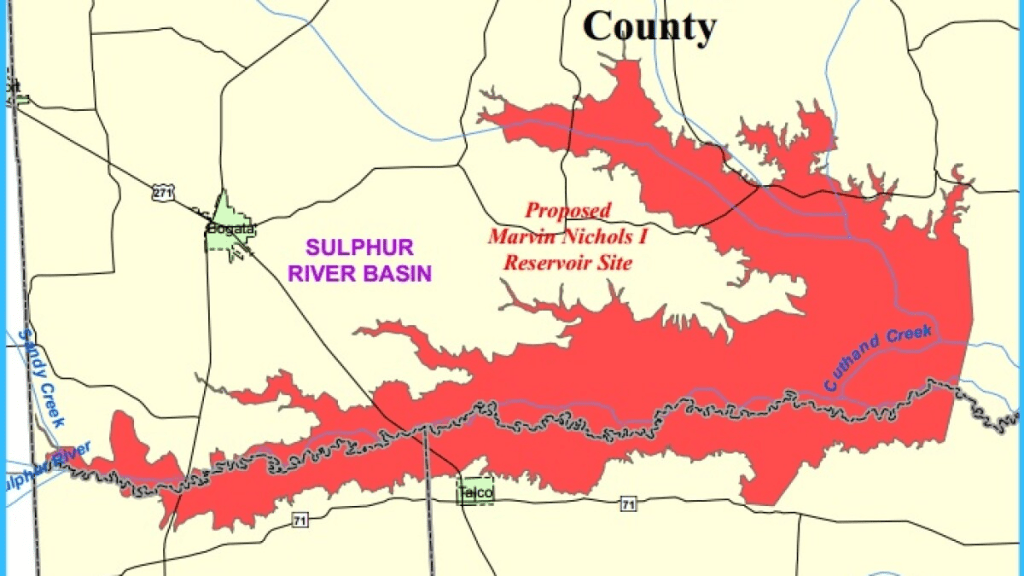
The proposed Marvin Nichols Reservoir, which would occupy over 72,000 acres in Northeast Texas, has been in the works since 1968. However, with Texas’ more-imminent-than-ever water crisis, it’s recently gained more and more traction— and just as much controversy.
What is it?
The proposed Marvin Nichols Reservoir would occupy the Sulphur River Basin and supply drinking water to the Dallas-Fort Worth area. With a plethora of available water from the basin and a low estimated water cost, the reservoir first appeared in Texas’ 1968 State Water Plan as the Naples Reservoir; then, it was proposed in the 1984, 1990, and 1997 state water plans as the Marvin Nichols Reservoir. In 1997, the 75th Texas Legislature passed Senate Bill 1, which divided Texas into 16 regions with local representatives to develop water plans.
Since then, renditions of the reservoir have been recommended in eleven regional and state water plans. While the Texas Legislature designated the reservoir site as a
“Site of unique value for the construction of a reservoir.”
In 2007, the Region D Regional Water Planning Group voted against it due to predicted negative impacts on agricultural, timber, and natural resources, as well as on local economies.
Why’s it taking so long?
First of all, it can take at least 15-20 years to receive a permit for a new lake or reservoir. The reservoir didn’t make it into the State Water Plan (under the name Marvin Nichols) until 1984, and, by 2001 (17 years later), the project was facing strong pushback from northeast Texans.
While the 2021 Region C Regional Water Plan and the 2022 State Water Plan believe the reservoir should be ready by 2050, the Bois d’Arc Lake reservoir, another controversial and large project, took just 18 years to implement. Well, we already passed the 18 year mark—24 years ago! Regional Texas water planners stress that these projects must be operational in a timely manner. In other words, they need to happen before shortages occur- not after a drought is already underway.
So, we can expect a 2050 completion unless a future water plan indicates otherwise.
What’s happening with Texas’ water crisis?
But why do we even need the reservoir in the first place? I mean, we’re obviously running out of water, but here’s why. Texas’ Region C, made up of Arlington, Carrollton, Dallas, Denton, Fort Worth, Frisco, Garland, Irving, Mckinney, Plano, Richardson, and Frisco, is rapidly growing in population. It’s predicted to grow by nearly 6,000,000 people from 2030 to 2080, and with more people comes more water demand, which would increase by around 1,000,000 acre-feet by 2080. Even with conservation tactics outlined in the Region C Water Plan, Region C would still lack around 1,000,000 acre-feet per year.
For example, Fort Worth plans to use more wastewater, so it needs to expand its water treatment plants to treat nearly 830,000,000 gallons of water per day by 2080. However, around ⅓ of the water would have to come from new reservoirs, and that’s where Marvin Nichols comes in. Of course, it would not only supply water to Fort Worth—many cities in region C likely have similar plans for Marvin Nichols.
How will Texans be affected? What’s the controversy?
Alright, let’s get to the downsides. Although the reservoir would help some of Texas’ most populous cities, the Region C crew, it would destroy around 72,000 acres of rural land in northeast Texas through flooding. And that means wetlands destroyed, jobs gone, and history killed.
Bottomland hardwood forests are Texas’ most biologically diverse ecosystems; however, from the nineteenth century to now, only ¼ of East Texas’ bottomland hardwood forests still stand. But guess what—they make up 30,000 of the 72,000 acres that Marvin Nichols plans to destroy. Plus, because the forests house so many different animal species, the reservoir would endanger wildlife already threatened in Texas, like black bears.
And since Marvin Nichols’ construction would flood so much working land, local farmers, loggers, ranchers, and livestock ranchers would very-likely lose their jobs. School districts would be wiped, Native American historical sites and family cemeteries would be destroyed, and families who’ve lived on the land for centuries would be kicked out.
Although the aforementioned Region C Water Plan tactics aren’t quite enough, if Region C goes above the conservation levels it outlines, then it could save the entirety of the water that Marvin Nichols would provide.
So, the reservoir’s proposal raises a debate of the merits of destroying livelihoods, habitats, and history to supply even more water to some of Texas’ most populated and water-consuming cities.
Is the reservoir really the best solution?
Although water costs are estimated to be relatively low once the reservoir is built, the construction of Marvin Nichols has been estimated to cost seven-billion dollars. Yup, $7,000,000,000. That’s around $97,222 per acre. To revisit our earlier comparison, the Bois d’Arc Lake reservoir cost around $1,600,000,000 for 16,640 acres—that’s about $96,154 per acre. Both reservoirs are incredibly expensive, but one has passed and the other hasn’t.
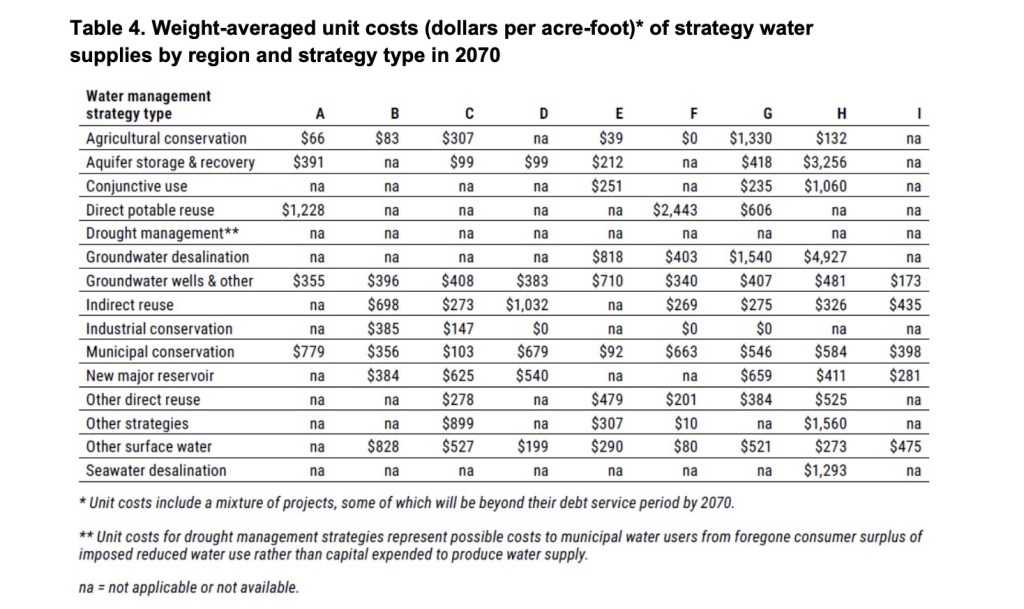
Let’s look at the cost of the Region C Water Plan’s conservation tactics. (Table from Bryan McMath’s Marvin Nichols Reservoir Project Feasibility Review)
For Region C, every tactic costs immensely less than Marvin Nichols. Even by using all the tactics together, water for Region C would cost just $3,666 per acre-foot, a sharp decrease from Marvin Nichols’ construction asking for $97,222 per acre. And although only doing these tactics would leave Region C deficient of 1,000,000 acre-feet of water per year, citizens could use the strategies more aggressively with the surplus of money to fix the lack.
Marvin Nichols is not the only solution to Region C’s drinking water shortage, and it’s certainly not the best one. Let’s save the people, animals, habitats, homes, jobs, and history living in northeast Texas, and let’s do so by speaking up. If the project hadn’t received so much pushback in the early 2000s, it very well could have already been implemented or be even closer to implementation. So, we must continue to push back because our voices—Region C’s and Regions A through Z’s alike—are the most powerful tools we have to stop Marvin Nichols.
Formula 1 has been given many names. From the “Pinnacle of Motorsport” to the “Motorsport soap opera,” its high stakes and thrilling speeds have earned it many nicknames. Most recently, Formula 1 has also been dubbed a “tech lab on wheels”.1 This nickname is well-deserved, as the innovations brought to F1 in order to make the cars quicker or more efficient often carry over into every-day road vehicles. One example of this is the carbon-fibre monocoque chassis introduced by McLaren in 1981. This light but durable material is now ubiquitous; it is the basis of almost every supercar and is used in everything from spacecraft to golf clubs. This leads us to reflect on just how much Formula 1 has influenced our daily lives, and how different our world would be today without it. For decades, Formula 1 has served as a model for elite performance in road vehicles and has sparked a passion for engineering in many people.
Ferrari drivers Sainz and Leclerc shake down new F1-75 car at Fiorano / F1
But with this attention comes a great responsibility for Formula 1. It must set the standard toward which the rest of the automobile industry strives. With global warming becoming an increasingly pressing issue in the global community, Formula 1 must find ways to keep racing at high speeds that are also sustainable for our environment. In 2026, Formula 1 seeks to radically change its regulations in order to reach its goal of going 100% carbon neutral by 2030.2 What do these new regulations mean for the sport, and, most importantly, what do they mean for us?
The new 2026 regulations encompass a wide variety of details, from aerodynamics to tyre size, and everything in between. Most of these will not have a tremendous impact on everyday road cars, as these regulations are focused more on getting these supercars to be even more “super”. One major change that does impact standard vehicles, though, is the new fuel regulations. Formula 1 cars use a hybrid of electric and hydrocarbon-fueled energy. Each of the (soon to be) eleven Formula 1 teams outsources their fuel to a third party. Ferrari famously partners with Shell, for instance, and Aston Martin works with Aramco. Throughout 2025, the petrol used in Formula 1 cars had to be ten percent bioethanol, a green alcohol fuel derived from biomass. But this requirement goes away in 2026, when the teams will have to supply their cars with 100% sustainable fuels.3 This means that no fossil carbons may be used, and the teams must produce net-zero carbon cars: they will have to extract carbon from pre-existing sources, instead of adding more into the atmosphere.
What does this look like? Well, air-capture technologies for carbon already exist, but these are inefficient since only 0.04% of the air is carbon dioxide. Teams are instead looking toward non-food bio sources of carbon, such as excess from the wood or paper industries, or municipal waste. A caveat to this, however, is that they cannot compete with existing food sources. In an interview about Formula 1’s sustainable fuel plans, F1’s chief technology officer Pat Symonds explains,
“You can make this fuel out of potato peelings, but not out of potatoes.“
Sustainable fuels are, ironically, still not financially sustainable options for “layman” car manufacturers. 100% sustainable fuel is much more expensive to produce than standard fossil fuels, which cost about $63 per barrel compared with the $300 for the sustainable fuel. Add that to the cost of experimenting with and researching new technologies, and you are looking at a budget that far exceeds what the average car manufacturer can afford. This is why Formula 1 is the optimal test hamster for sustainable technologies: its teams deal with huge budgets, which are designed to be spent on innovative technologies. Plus, in Formula 1, the goal is to produce the most efficient and high-performing car possible, not the cheapest. With some luck, these innovations in the way carbon fuels are sourced in Formula 1 will trickle down into the “real world.”
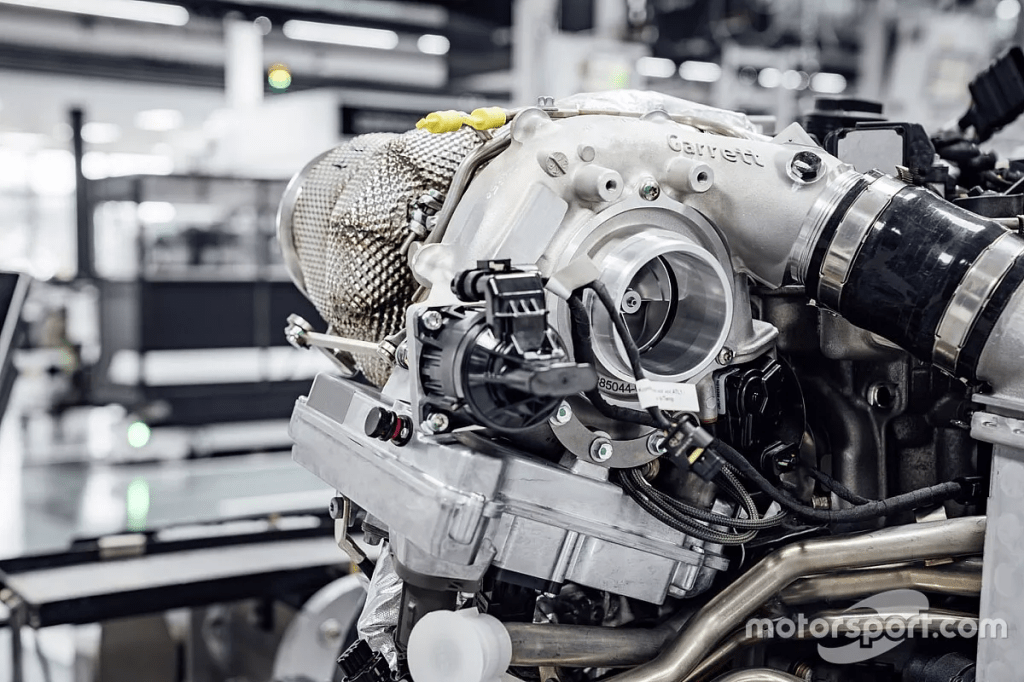
Another major change to occur in 2026 is the removal of the MGU-H unit. This component is part of the Energy Recovery System on an F1 car, along with the MGU-K and the energy store. The energy store is essentially a large lithium-ion battery that stores energy recovered from breaking or excess exhaust. The MGUs (Motor Generator Units) act as both motors and generators, depending on what the car necessitates. This works because providing energy to the motors causes them to spin, and spinning the motors causes them to generate energy. The MGU-K (Motor Generator Unit Kinetic) works alongside the car’s engine to provide extra power to the car. It harvests excess energy from braking, when the MGU-K is spinning solely due to the rotational energy of the wheels, and the still-rotating magnets inside the motor provide energy to the battery for later use. The MGU-H (Motor Generator Unit Heat), to be removed in 2026, supplies the same energy storage system. It works alongside the turbocharger so that when exhaust gas passes through the generator turbine of the MGU-H, the turbine spins, transforming kinetic energy into electric energy. The MGU-H can also supply electric energy to the turbocharger, and thus eliminate turbo lag in the engine.5
Mercedes reveals first use of F1’s MGU-H in road cars / motorsport
The MGU-H does serve a purpose, but only in the context of Formula 1. Everyday road cars do not travel at fast enough speeds to require a component to diminish turbolag; in fact, most hybrid cars do not have a turbocharger at all. This, coupled with the fact that the MGU-H is incredibly expensive to produce, is why the MGU-H will be removed from F1 cars in 2026.
But with the switch to a 50/50 ICE-electric engine in 2026, F1 cars still need an energy recovery system to boost performance and efficiency. The MGU-K is much more affordable to produce than the MGU-H because it is mechanically simpler. To compensate for the loss of the MGU-H, the MGU-K output nearly triples in 2026, with a jump from 120 kWh to 350 kWh. The impacts of this on the “real” world are that now everyday road cars have a realistic exemplar of what an efficient hybrid car looks like, and can look to F1 cars to minimize their carbon footprint.
Formula 1 is more than just a sport. At the pinnacle of speed, its cars are the role models for the maximized efficiency and performance to which most cars aspire. F1 cars have the responsibility to set the example for others by reducing their carbon footprint, and this is just what the 2026 regulations aim to do. With the implementation of 100% sustainable fuel and increased reliance on electrical power, Formula 1 is pioneering technologies that have the potential to lead the world to a more sustainable future.
Over the past three years, a rush of excitement has emerged globally regarding artificial intelligence. In a student’s everyday life, discussions about artificial intelligence arise frequently- whether about the potential benefits of generative AI, using ChatGPT on homework assignments, or seeing AI’s growing presence on social media platforms like TikTok.
Claims that AI holds significant potential in the development of society and technology are impossible to ignore, with AI occupying numerous sectors seen throughout daily life. In fact, when I began writing this article, even clicking enter on a google search titled “Impact of AI on climate change” immediately caused an AI overview to pop up unprompted.
While the environmental repercussions of AI usage cannot be ignored, to deny the multitude of potential benefits from artificial intelligence would be absurd. Instead, it makes more sense that the use of (mostly generative) AI for recreational purposes is the issue– hundreds of thousands of people contribute to this environmental impact, not realizing that even a short prompt into ChatGPT has been proven by the International Energy Agency to equate to 4-10x the amount of energy that just one Google search consumes.
There are four key problems attributed to why AI can cause widespread harm to our environment. First, the mining required to extract critical minerals and rare earth elements for the microchips that power AI is incredibly destructive to the environments where these resources are found. Navigating New Horizonsconfirms this, stating,
“[The minerals and elements] are often mined unsustainably”.
The second is that AI servers are held in data centers which produce a shocking amount of electronic waste. They also contain hazardous substances such as mercury and lead, according to the United Nations Environment Program (UNEP). This is harmful because when they are (often) disposed of improperly, the wildlife, soil, air, and water around it are contaminated.
Thirdly, these AI data centers use preposterous amounts of electricity and energy, due to advanced technology seen in these models. Therefore, the energy used in most of these data centers comes from fossil fuels which produce greenhouse gases that further contribute to global warming. Research by the University of Nottingham shows that by 2026, AI data centers will likely account for nearly 35% of Ireland’s energy consumption. Added effects to climate change are something that we simply can’t afford currently, with the already increasing rate of rising global temperatures.
Finally, and most of all, data centers consume a colossal amount of water, not only to construct but also to cool electrical components of AI. Chilled water absorbs heat from computing equipment. This water does not return to the water cycle; most of it is gone forever when used to cool these heated data centers. The centers use mechanical chillers which carry heat away from the servers, releasing it through a condenser, and so the water becomes water vapor where it does not cycle back through treatment systems like in a typical household. Even though some of it returns as rainfall, a majority of vapor in the air cannot be recovered. Not only this, but data centres are often located near locations which are already prone to droughts, which gives the inhabitants of this area even less access to water. This is a huge problem when a quarter of humanity already lacks access to clean water and sanitation. MIT Newstells us that for every single kilowatt hour of energy a data center consumes, it would need two entire liters of water for cooling. It is an atrocity to restrict so much life from access to clean water and instead use it on generating ‘a cartoon version of me’ or asking ChatGPT to write a quick email that could be written by the individual in just two minutes instead.
The impacts of these contributors on climate change are immense. It also doesn’t help that generative AI models have an extremely short shelf-life as AI companies such as ChatGPT and DeepSeek consistently deliver new models, provoked by rising demand for new AI applications. So, the energy used to train previous models goes to waste every few weeks, and new models use even more energy because they are more advanced than the previous ones. Sure, one person using Perplexity AI doesn’t do much to the environment, but if everyone follows this logic, the large scale of people using AI results in terrible repercussions.
On the other hand, popular articles repeat that because “500ml of water are used for every 20-50 ChatGPT prompts, not every prompt”, the amount of energy that ChatGPT uses is not that significant. However, like govtech.com states, even if 500ml sounds small, combined with the 122 million people who use ChatGPT daily, this is a lot of water that is wasted for purposeless reasons. AI’s energy use has exploded only because AI has exploded. It is not that each prompt uses a significant amount of energy, but that AI has had an explosive growth being the quickest adopted technology ever, therefore the energy adds up to be significant through the sum of people using AI.
As a society, we have to acknowledge that even though AI provides us an abundance of opportunities and ideas for our modern world, we must not forget the consequences to the already declining environment that overuse brings. We should take into consideration that life would most likely not be worse without generative AI for the average person. We should take into consideration that the tradeoff of mindless entertainment and having ChatGPT search for basic facts is worth a better chance at restoring our Earth. And ultimately, we should simply refrain from using AI for recreational reasons unless the purpose is absolutely urgent and necessary.
Scientists have recently declared chemical pollution an environmental threat as severe as climate change. Specifically, chemical pollution is the contamination of air, land, or water with high levels of unnatural substances, or pollutants. As these chemical pollutants continue to quickly spread throughout the globe, the multitude of risks they pose is only growing.
The Severity of Chemical Pollution
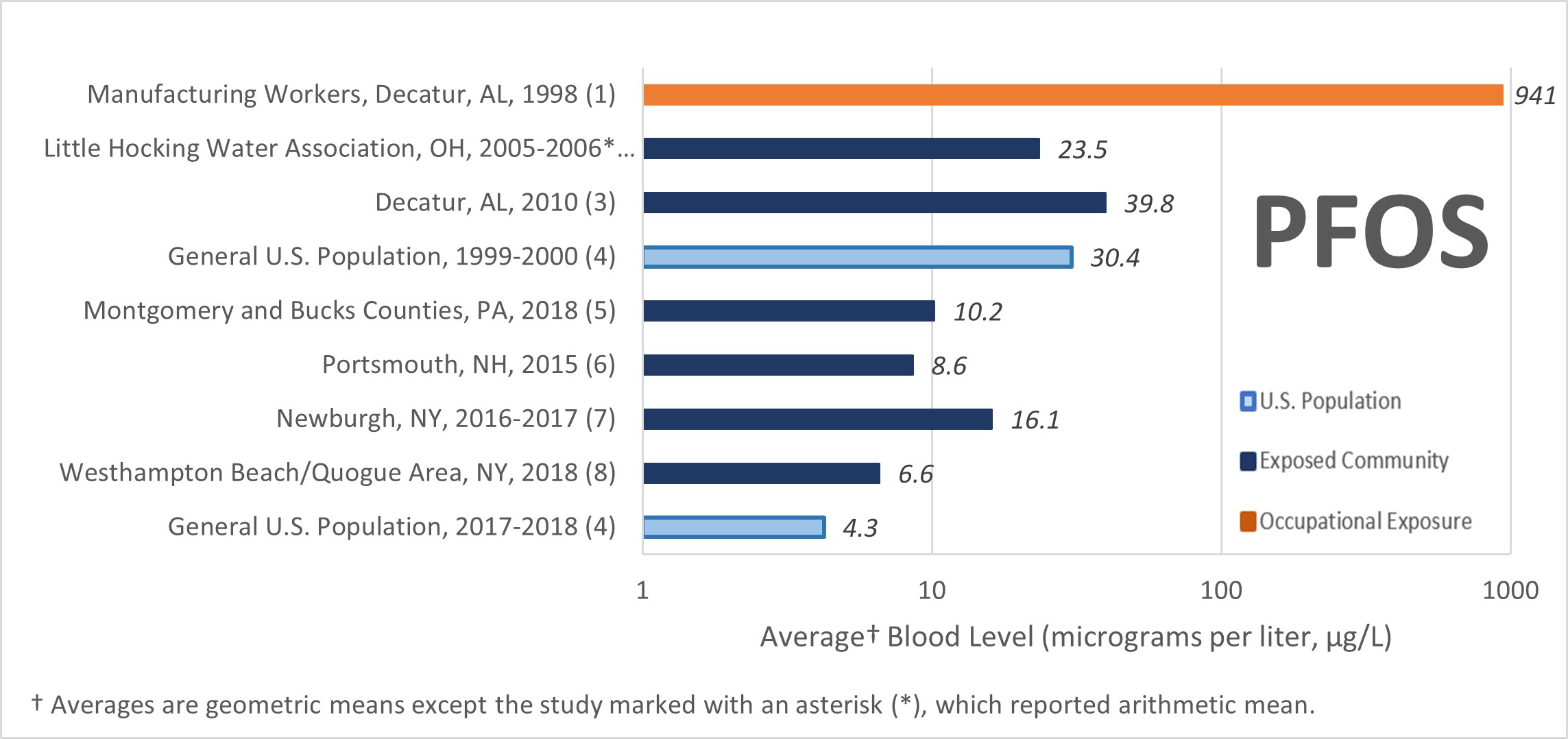
The severity of chemical pollution is emphasized by the wide range of substances it encompasses and their persistence in the biosphere. Examples of chemical pollutants include volatile organic compounds (VOCs), heavy metals, air contaminants, persistent organic pollutants (POPs), pesticides, and PFAS (per- and polyfluoroalkyl substances), to name a few. Most of these chemicals do not break down over time; instead, they accumulate year after year, causing lasting damage to the Earth. They are found in everything from rivers to livestock, and according to the CDC, PFAS have been detected in the bloodstreams of about 97% of Americans. This is a global problem, too; a 2025 study conducted in Bihar, India, revealed that nearly 90% of children and 80% of pregnant women tested in the state had unsafe amounts of lead in their blood. Furthermore, the poor regulation of industrial waste and aging infrastructure in many regions of Africa and Southeast Asia allows toxic metals such as lead and mercury to contaminate drinking water and agricultural soil.
Scientists have warned that chemical pollution has already crossed the limit for what is safe. The volume of synthetic chemicals currently in circulation has far exceeded the Earth’s capacity to manage them safely, and the sheer variety of synthetic compounds, over 350,000 globally, makes regulation nearly impossible without extensive global action.
Effects on Health & Ecosystems
For humans, exposure to chemical pollutants can cause cancer, sterility, developmental diseases, immune system damage, and disruption of brain and hormone function. Columbia University’s School of Public Health covered several significant ways chemical pollutants harm the body: DNA damage, genomic alterations and mutations, disrupted development in children, mitochondrial dysfunction, interference with regular bodily functions, endocrine disruption, increased susceptibility to allergies and infections, hindered neurotransmission, and impaired nervous system function.
As for the environment, PFAS have been detected in livestock, fish, and crops, affecting food safety and biodiversity. Chemical spills pollute rivers and seas, killing aquatic life and disrupting ecosystems. Soil contaminated with pollutants becomes infertile, reducing agricultural efficiency.
What’s Being Done
Though serious, attempts to rectify the situation have been slow-going. The United States’ Environmental Protection Agency has recently introduced stricter drinking water standards for PFAS, with limits in the parts-per-trillion range. Several states have launched lawsuits against chemical manufacturers in order to force them to fund cleanup efforts. Meanwhile, in Europe, policymakers are moving to ban classes of harmful chemicals instead of regulating them one by one, a necessary approach given the scope of the crisis, according to scientists. The UN has begun negotiations for a plastics and associated chemicals treaty, which would be the first major international agreement to limit harmful substances since the Montreal Protocol on ozone-depleting chemicals in 1987. Moreover, researchers are in the process of developing technology aiming to destroy PFAS molecules previously thought to be indestructible.
Even so, progress can be unsteady and quite slow. Many poorer nations lack the infrastructure to monitor chemical pollution as well as the political power to hold corporations accountable for any potential damage they cause.
Since these chemicals can be found everywhere, phasing them out requires a great deal of effort, starting with change on a systematic scale.
Recently, communities across the globe have seen unusually intense and violent hailstorms. Many have noticed huge ‘monster hail,’ which can be the same size as a small Labubu and cause significant damage to people and their property. This growth in hail size can be traced back to stronger updrafts and warmer temperatures, which I will expand on in this article. Communities will have to learn to deal with these powerful storms as hail sizes continue to rise.
How is Hail Formed?
Hail is made when raindrops are lifted by updrafts, or warm rising air, into the upper atmosphere. There, the temperatures are cooler, and the raindrops freeze into small particles of ice. As the ice particles are carried around by the updrafts, they bump into supercooled water droplets. Supercooled water droplets are raindrops that are still in liquid form despite being at below-freezing temperatures. When these droplets collide with the ice particles, they immediately freeze onto the particles, making them bigger. As this cycle continues, more and more droplets attach to the hailstone, causing it to grow larger and larger. Once the hailstone gets too heavy for the updrafts to support it, the hailstone will fall to the ground.
According to atmospheric scientist Brian Tang, there are two main hypotheses that potentially explain hail’s increasing size: One explanation involves Earth’s rising temperatures. In recent years, there have been warmer overall air temperatures due to heat being trapped in the atmosphere by greenhouse gases. As that air gets warmer, it also becomes more moist, as warmer air can hold more water vapor. Because there’s more moisture, more supercooled water droplets will be found in the upper parts of storms, where temperatures are below freezing. With greater access to these droplets, hailstones can grow even larger.
Another factor articulated by Brian Tang is an increase in unstable air masses coming from western North America. As these air masses move east, they form thunderstorms over flatter areas. These air masses are formed because of many reasons. One of these is the accelerated melting of mountain snowpacks, which is caused by rising temperatures. As snowpacks melt more rapidly, the ground beneath them gets heated. This heating, in turn, also warms the air near the ground while the air higher up remains cool. This contrast in temperature creates even more atmospheric instability, which leads to the development of unstable air masses, and thus, thunderstorms.
But these hail sizes could only be the beginning. According to a study conducted by the Weather, Climate and Society Research Group at Northern Illinois University, “Although fewer hail days are expected over most areas in the future, an increase in the mean hail size is projected, with fewer small hail events and a shift toward a more frequent occurrence of larger hail.” The study goes on to report that smaller hailstones (<4 cm in diameter) are expected to become less frequent, while larger stones are expected to increase by 15-75% in size. In other words, it was concluded that hailstorms may become less common overall; however, the small, relatively harmless hail that makes up the bulk of hailstorms today may be replaced by larger, more destructive hail.
We’re already seeing early signs of this shift. The Iowa Environmental Mesonet recorded 1307 instances of 2+ inch hail in 2024, compared to just 714 in the year prior. Likewise, Colorado set its state record for hail size in 2023 with a 5.45 inch hailstone- that’s about two tennis balls (0.00126 football fields) wide!
The effect of these intense hailstorms is clear: according to Versik, roof repair value in 2024 reached almost 31 billion dollars, a 30% increase from just two years prior. Wind and hail were the primary drivers, making up almost half of all roof-related insurance claims.
Some helpful ways to prevent property damage include:
Parking cars in garages or under shelters
Trimming trees to prevent falling branches
Clearing gutters to stop them from overflowing
Replacing windows and roofing
If your area is expected to experience a hailstorm, stay up to date with weather forecasts and pay attention to warning systems. Make sure to have an enclosed room in your house with no windows and stay there until weather services confirm that the storm has passed.
Conclusion
In recent years, we have seen hail grow larger and larger, and this trend shows no signs of stopping. As hailstorms continue to evolve and become more unpredictable, it is extremely important to stay informed as we adapt to the continuing changes in our climate. It is important to realize that the trends we are seeing are indicative of a larger shift in our climate. Outside of hailstorms, numerous other gradual shifts in our weather are taking place. We are seeing extended droughts, rising sea levels, and longer wildfire seasons as well. While it is still debatable whether these shifts are man-made or part of a natural cycle, it is clear that hail is just one symptom of a larger change that will have lasting effects on human life for years to come.
Gensini, V. A., Ashley, W. S., Michaelis, A. C., Haberlie, A. M., Goodin, J., & Wallace, B. C. (2024, August 21). Hailstone size dichotomy in a warming climate. Nature News. https://www.nature.com/articles/s41612-024-00728-9
As someone born and raised in New York City (NYC), I can attest to the urgent need to upgrade the city’s climate control infrastructure. Current systems are outdated and hinder the city’s ability to meet emissions goals and address global warming; the encapsulation of this problem is the boiler. A staggering 72.9% of heating in NYC comes from fossil-fuel-burning steam boilers, one of the most carbon-intensive options available. Tenants of apartments pay for the maintenance of centralized boilers without control over the temperature, leading many to open their windows in winter to release excessive warmth. This heat and the fossil fuels used to produce it are wasted, highlighting the inefficiency and impracticality of NYC’s existing infrastructure.
Even when this heat remains indoors, steam boilers are only about 80-85% efficient at burning fossil fuels. Up to a fifth of a boiler’s fuel does not generate usable heat, but burning it still releases vast quantities of pollutants like CO2, exacerbating climate change. Furthermore, boilers continue to lose efficiency during their lifetimes and require frequent maintenance and replacement. While steam boiler systems were revolutionary in the 19th century, they may now become obsolete as NYC implements a technology that could change how the world thinks about climate control.
The innovation behind heat pumps comes from the mantra of use what is given; instead of generating heat through combustion, they simply move existing warmth between two places. Most of these fully-electric pumps remain functional well below 0℃, even though it may seem like there is no warmth to be moved. This operative capacity allows them to have heating efficiencies of 300-500%! Because of this, International Energy Agency partner Yannick Monschauer estimates that “Heat pumps could bring down global CO2 emissions by half a gigaton by the end of this decade.”
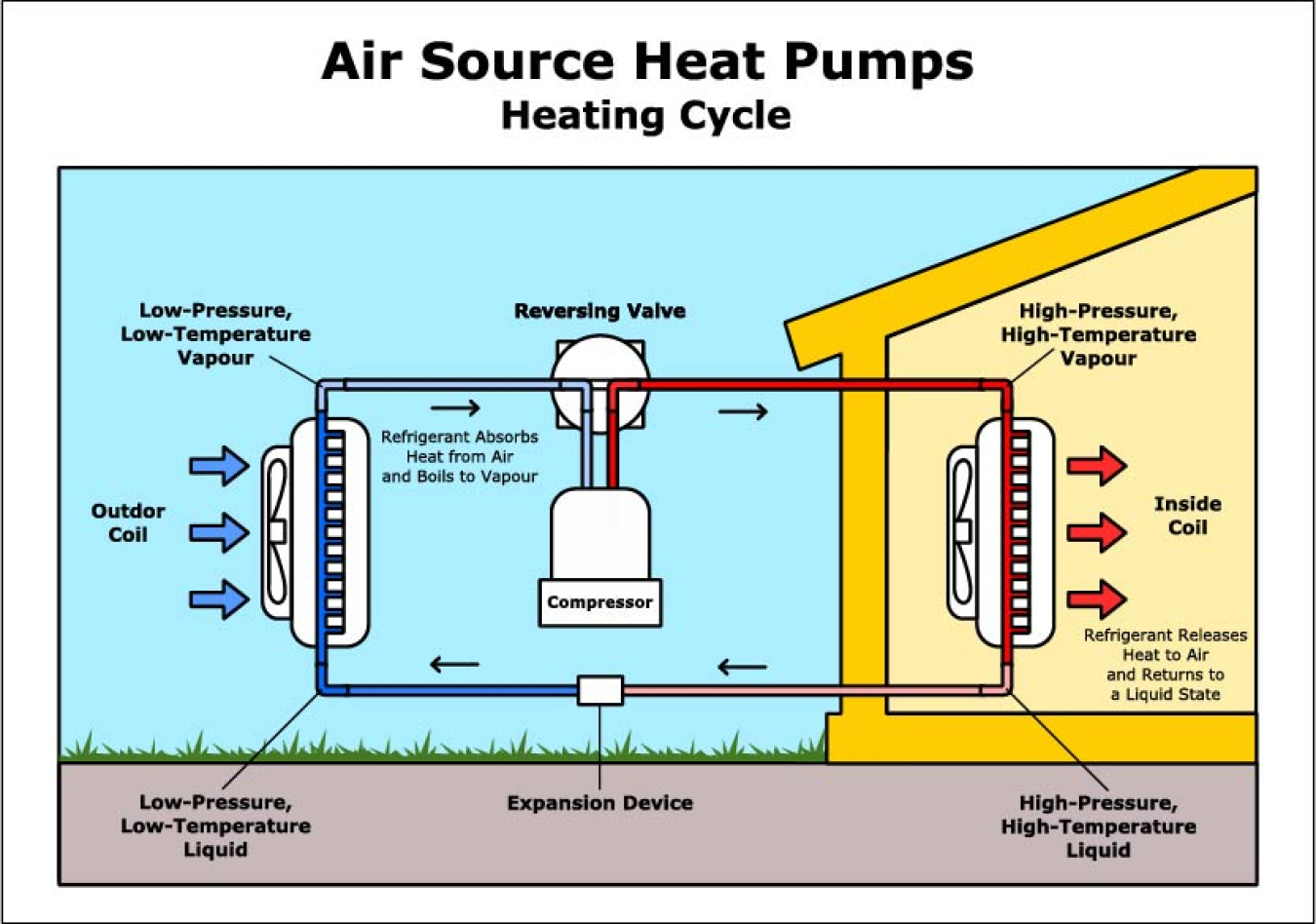
Heat pumps work by operating on the Second Law of Thermodynamics (SLOT), which states that heat will move from a hotter object to a colder one. In the wintertime, the pumps pull in outdoor air and blow it over fluids (called refrigerants) held in a closed-loop system. The air transfers warmth to the cold refrigerants through SLOT, and the heated fluids turn into gas. Heat pumps can work in freezing temperatures because these refrigerants have such unusually low boiling points, allowing them to vaporize easily; one of them, Refrigerant 12, has a boiling point of just -21.64°F!
The hot, gaseous refrigerants move into a compressor that compacts their molecules, making them even warmer. They then flow through a coil that exposes them to indoor air, and the refrigerants release their warmth inside through SLOT. As the refrigerants cool, they condense back into liquid and pass through an expansion valve, decreasing their temperature further. They move to an outdoor coil and are ready to restart the process, continuing to warm cold homes during the winter.
Even more significantly, heat pumps have reversing valves that switch the flow of their refrigerants. These valves allow the pumps to cool homes by pushing out warm, indoor air in the summertime. Thus, heat pumps make air conditioners, boilers, radiators, and related piping unnecessary, freeing space and alleviating material and labour costs that typically get passed on to homeowners.
Heat pumps in NYC
In 2024, NYC pledged to have heat pumps provide 65% of residential heating, air conditioning, and water-heating needs by 2030. This shift would drastically reduce the city’s carbon emissions from the climate control sector, which contributed to 10% of global energy-related CO2 emissions in 2021.
This pledge is logical both environmentally and practically: having one heat pump replace two systems saves valuable space, lowers costly installation and maintenance fees, and reduces energy demands. The NYC government realized this potential and signed a $70,000,000 contract to install 30,000 window heat pumps in NYCHA buildings, better known as public housing. Two heating companies, Midea and Gradient, will provide these units.
In late 2023, Gradient installed 36 preliminary test units in NYCHA buildings. Most NYC steam boilers, including those in NYCHA’s current system, are powered by gas with oil reserves in case of an emergency. Gradient found that their pump can lower tenants’ heating bills by 29-62% on moderate winter days compared to gas-powered boilers. Savings are as high as 59-78% compared to oil-burning boilers. In testimonials that Gradient collected, NYCHA tenants noted the heat pumps’ impressive air filtration, heating, and operational capabilities. Midea conducted similar tests and soon plans to release its heat pump for public purchase.
The Cold Drawbacks of Heat Pumps
Although technological faults remain, NYC is continuing its plans to install and promote heat pumps to replace its intensive, outdated systems. For one, Midea’s upcoming pump will cost ~$3,000 per unit, greatly exceeding the combined price of ~$460 for their bestselling, single-room heating and cooling systems. This is a misleading comparison, however, because heat pumps also act as heating systems. The technology can lower electricity and fuel bills over an extended period, but the current price point makes heat pumps an unaffordable investment for many households – despite government subsidies and incentives. Even the NYC government’s bulk order of Midea and Gradient pumps averages over $2,300 per unit.
Furthering the inaccessibility of these systems, the most advanced, aesthetically pleasing, and apartment-friendly heat pumps can only heat and cool individual rooms. This means that multiple units must be purchased, installed, and powered to service a home, and each must be replaced about every 20 years. Still, NYC’s firm stance on heat pumps indicates the climate control systems’ proven efficacy, practicality, and sustainability.
Heat Pumps Globally, and Plans for the Future
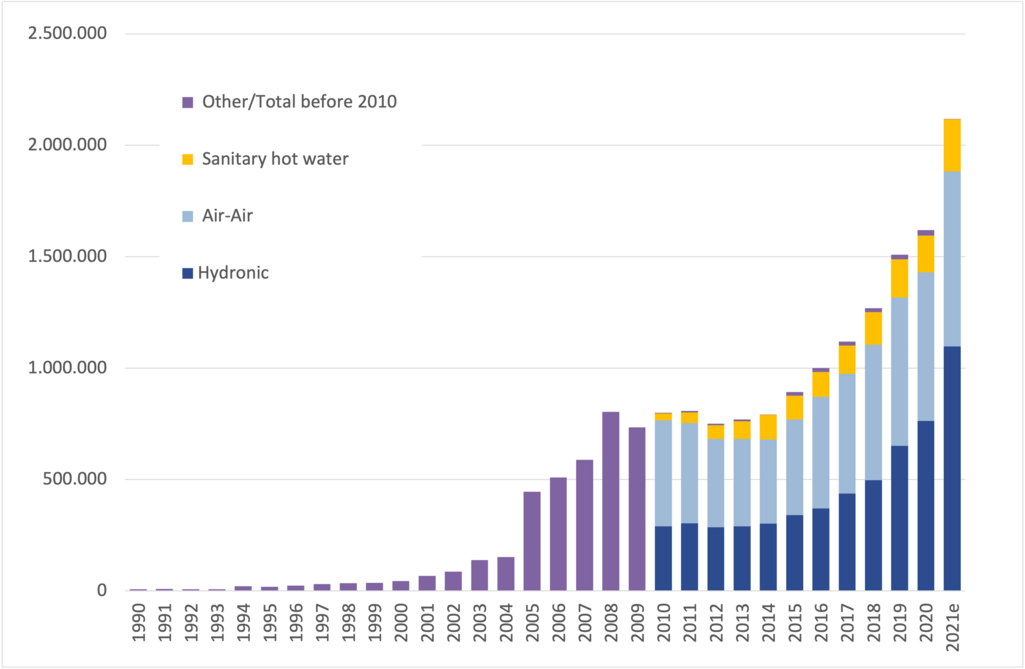
While technological challenges remain, NYC is continuing to deliver on its pledges. This decision on heat pumps is being made throughout the United States (US). In 2022, heat pump sales in the US significantly outpaced those of gas furnaces (a type of central heating system particularly popular in North America). This lead has continued into 2025 as more people realize that the pumps can lower fossil fuel emissions and energy bills.
This switch is not just happening in the US; countries worldwide are beginning – or continuing – to invest in these pumps. Sales in European countries have soared in the 21st-century, an accomplishment partly attributed to friendly government policy. The country with the most pumps relative to its population, Norway, has 632 heat pumps installed for every 1,000 households (the majority of these pumps service entire houses, unlike the Midea and Gradient systems discussed above). Despite this high ownership rate, 48 pumps were purchased in Norway for every 1,000 households in 2024.
In spite of these promising statistics, heat pump sales in most economies have either slowed or slumped in recent years – particularly in Europe. Analysts suspect this is due to high interest rates, rising electricity prices, low consumer confidence, and low gas prices. While this is discouraging, pump sales and ownership rates remain higher than they were several years ago. In 2023, New York Governor Kathy Hochul pledged to help the U.S. Climate Alliance (USCA) install 20,000,000 pumps across the U.S. The USCA is a coalition of 24 governors representing 54% of the United States population and 57% of its economy. The bipartisan group has successfully delivered on their promises of emissions reduction, climate resilience, economic growth, energy savings, and zero-carbon electricity standards that heat pumps are engineered to meet.
This coalition has proved that environmental action is popular, necessary, and possible. At a time when climate policy is under question, sustainable and feasible technologies – like heat pumps – need the investment of citizens, industries, and governments alike; no matter how small the scale.
So, how can you help? Since 2022, the US government has given a federal tax credit to citizens who install efficient heat pumps. The Energy Efficient Home Improvement Credit provides eligible homeowners up to $2,000 annually. Combined with other energy-efficient credits, US citizens can regain up to $3,200 every year. These monetary incentives offer another reason to consider switching to heat pumps, and similar policies are being enacted worldwide.
I am proud to live in a city that rewards and encourages the sustainability of citizens, corporations, and public works. As the severity and irreversibility of global warming loom, heat pumps offer us a breezy solution to polluting climate control systems. Eventually, NYC’s infamous boiler rooms and clanging pipes may become relics of the past.
Have you ever wondered what life would be like if it were possible to revive extinct animals? To see a woolly mammoth, or a dodo bird? Thanks to a new modern-day technology, these doors are being opened.
A dire wolf is a species of canine that went extinct about 13,000 years ago, differing from the modern gray wolf in its larger body, more massive skull, and smaller brain. In 2021, a company called Colossus Biosciences was able to extract dire wolf DNA from ancient fossils. Using this DNA to find the specific dire wolf genes, the scientists made 20 edits to a gray wolf gene, the closest living relative, until they produced an animal with the same key features as a dire wolf. After creating embryos from these genes, they implanted them into surrogate canine mothers.
Soon after this, three healthy baby wolves were born, carrying the key traits of dire wolves. These three wolves are now known as the first successful use of de-extinction, sparking much debate over whether this practice should be continued.
The Pros of De-extinction:
De-extinction is a powerful tool for animal conservation and ecosystem restoration. Bringing back extinct keystone species could restore degraded habitats that have withered without them, opening doors to revive grasslands and other ecosystems. Along with ecosystem restoration, keystone species could impact the climate and weather in their habitat by impacting carbon storage and moisture regulation.
This technology could also target endangered species, allowing scientists to save and protect animals at risk. By altering extinct genes to restore genetic diversity in a threatened species, scientists could avoid the extinction of important keystone species, keeping the ecosystem’s equilibrium steady.
Along with these two pros, de-extinction has led to significant scientific breakthroughs, specifically in biology and genetics. If it continues to be explored, it de-extinction could lead to other discoveries and raise awareness around the importance of protecting species and biodiversity.
Cons of De-Extinction:
Yet, this useful new technology also harbors many risks. Dr. Meachen, a vertebrate paleontologist and morphologist, stated that she is wary of this new process, saying,
“I have questions. We have trouble with the wolves we have today.”
The de-extinction process is costly and requires funds that the private sector may not be able to provide, meaning governments may have to assume funding. In this case, resources used in this process would come from the government’s conservation budget, making present conservation efforts lose funding. This would mean that existing endangered species facing immediate threats would be at risk, resulting in biodiversity loss.
Placing extinct animals back into their environments might also have drawbacks, as most extinct animals’ ecosystems have changed since they became extinct, and there is no guarantee that they will be able to adapt back. This could lead to potentially invasive species, as their habitats may lack natural predators to keep the revived population in check. Reintroducing a species might also create conflict within the ecosystem, impacting the stability and equilibrium.
Finally, many ethical questions come with de-extinction. By providing a way to return past life to the planet, there may be consequences of falsely condoning extinction and pardoning harm to species. Many critics also believe it is not our responsibility to “play God” and create new life.
In Conclusion:
De-extinction has provided substantial progress in science and has opened doors to new ways to conserve animals and habitats. However, many disadvantages come with it, posing the question: should de-extinction be further used, and if so, should there be limitations to what scientists can and can’t do with the genetic engineering of extinct animals?
Mist is comprised of tiny droplets of water hanging in the air. They are often white or grey and look like they are floating over land. It is formed when warmer air over water meets cooler air, which rapidly cools the warmer air. Because when the air is rapidly cooled, it turns air (invisible gas) into tiny water droplets. It can also be formed when warm air on land meets cooler air from the ocean. The tiny droplets are particles suspended in the air due to condensation near the surface of the Earth and scatter light, allowing us to see them. Fun Fact: While fog and mist are similar, they are not the same thing. Mist tends to be less dense than fog and does not last as long.
Crepuscular rays look like sunbeams raining down from a point and have alternating dark and light areas. They are often colored orange and red and are formed when sunlight shines through gaps in the clouds, often during sunrise or sunset, giving them their color. These rays are visible because the sunlight hits vapor, dust, and other particles as it passes through the clouds and has a high enough contrast between shadows and light. The particles then cause the sunlight to scatter and create distinct beams. Fun Fact: The rays are actually parallel, but an optical illusion makes them appear angled.
Mammatus clouds are rounded pouches of cloud that hang from the underside of a larger cloud. They often form during the warmer months when cool air sinks into warmer air. Mammatus clouds get their unique look when cooler air containing ice crystals and water droplets sinks into warmer, drier air. As it descends, the moisture condenses, forming pouch-like shapes. These clouds are often associated with storms because the cooler air typically comes from cumulonimbus clouds that are connected to thunderstorms. This creates these pouches. There is an association with storms because the cooler air often comes from cumulonimbus clouds that are connected to thunderstorms. Fun Fact: The way that they are formed is the opposite of how most clouds are formed (air rising and cooling), and aircraft stay away from them because they can indicate storm activity and severe thunderstorms.
These rays look like a horizontal crepuscular ray. This phenomenon appears when rays of light and shadows converge at a point opposite the sun, making the rays appear like they are diverging horizontally, even though they are parallel.
Streaks of precipitation that are falling from a cloud, but evaporate before they hit the ground. They look like wispy trails and are often found in deserts or places with higher temperatures. Although the precipitation does not reach the ground, it is often picked up by the radar as rain.
References
“Crepuscular Rays and Light Scattering.” Nasa.gov, NASA Earth Observatory, 17 July 2022, earthobservatory.nasa.gov/images/150090/crepuscular-rays-and-light-scattering.
“Mammatus Clouds | Center for Science Education.” Scied.ucar.edu, scied.ucar.edu/image/mammatus-clouds.
Office, Met. “Virga Clouds.” Met Office, 21 June 2018, weather.metoffice.gov.uk/learn-about/weather/types-of-weather/clouds/other-clouds/virga
SpatialNasir. “What’s the Difference between Cloud, Fog, Haze and Mist?” Medium, 7 Sept. 2019, geoafrikana.medium.com/whats-the-difference-between-cloud-fog-haze-and-mist-a06c7cf0cbf3. Accessed 2 Aug. 2025.
Though seemingly unrelated, cow farts, climate change, and coffee have unexpected connections. For starters, cow farts produce methane – and lots of it. In fact, a single cow can produce a massive amount of methane – usually 250-500 liters per day. Now, think of how many cows we have here on Earth (I’ll give you a hint: it’s 1.5 billion). And while CO2 gets all the attention when it comes to climate change, methane has twice the effect on a per-unit basis. But we can’t just blame climate change on the cows: other livestock also contribute to the greenhouse gases that warm our planet. Well, it’s a good thing that climate change is a widely known issue around the world, right? We know that these gases will cause the heating of the Earth, resulting in ice melting and oceans rising. However, while these problems may take years to manifest, other negative effects won’t be nearly as delayed. One impending problem is the devastation that this heat will bring to both weather patterns and crops. Warmer temperatures cause more evaporation, meaning more water in the atmosphere and more storms. Many plants, coffee included, can’t grow in these changing and unstable climates. And while scientists are doing all that they can to fix these problems, individual citizens are unlikely to act unless they understand the full extent of what is going on.
What Is Climate Change?
Climate change is a universal issue backed by scientific evidence and recognized by most of the public. The Earth is warming, and rapidly at that. According to NASA, the average global temperature on Earth has increased by at least 1.1° Celsius (1.9° Fahrenheit) since 1880, and the majority of the warming has occurred since 1975, at a rate of roughly 0.15 to 0.20°C per decade. It may not seem like much, but the environment is not accustomed to adapting quickly, and if this goes on, the results could be devastating.
Greenhouse Gases
Greenhouse gases – let’s call them GHGs for short – are essential for our survival, but could very well be the key to our doom. The most common GHGs include water vapor, carbon dioxide, methane, and nitrous oxide. They absorb heat from the Sun and trap the warmth, preventing it from escaping into space. It’s the reason why life on Earth is possible: just like their name, these gases basically function as the glass in a greenhouse, raising the temperature so that we can thrive.
But greenhouses can also get too hot. The more gases in the atmosphere, the more effective the heat-trapping process is. This excess heat-trapping is precisely what has been occurring over the past few decades, especially since the Industrial Revolution
So, what is causing the surplus of GHGs warming our Earth?
One cause is transportation, which accounts for 14% of GHGs. Cars, buses, trains, airplanes – most of them use gasoline, diesel, or jet fuel to function. Burning these materials releases many harmful gases, the most relevant of them carbon dioxide, methane, or nitrous oxide. In some countries, like the US, transportation may be the leading cause of GHG emissions. However, there are many ways to combat these effects. You’ve most likely heard that walking and public transportation will reduce emissions, and they can! Even electric vehicles will help if you’re using clean electricity. Additionally, biofuels and hydrogen can replace fossil fuels in aviation and shipping.
Another significant cause is electricity and heat production, which accounts for a fourth of total GHGs alone. These processes still rely heavily on burning fossil fuels, such as coal, oil, and natural gas. Now that more and more homes and buildings are being constructed, there is a higher electricity demand than before. As a result, more fuel is burned – unless we switch to cleaner sources such as wind, solar, or hydro power. Transmission losses (electricity lost as it travels over power lines) require extra generation, further increasing emissions. Therefore, improving efficiency in buildings and the power grid could reduce the demand and associated GHGs.
Buildings can cause around 6-7% of GHG emissions. The production of materials like cement, steel, and aluminum all release gases such as carbon dioxide, and use the process of burning fossil fuels. According to the BBC, cement production contributes 8% of global GHGs. Not to mention, transporting those materials and the use of heavy machinery and equipment while building them also adds to emissions.
These are all large and well-known reasons that contribute to GHG emissions, so let’s take a look at something lesser known. Agriculture.
What About Cows?
Let’s be honest: your answer to the question about major sources of GHGs was probably not cows. But, in truth, these adorable creatures that we raise account for around 14.5 percent of greenhouse gases that warm our planet. Of course, it’s not cows alone: other livestock, including chickens, horses, pigs, and more, are all included in that percentage. We’re looking at cows specifically because a breakthrough with them could lead to resulting solutions with the other animals, and cows are large and easy to work with.
Cows make methane in two ways: through their digestive process and their waste. They are part of a group of animals called ruminants, with four distinct stomach chambers. The first is called the rumen, a home for microorganisms that break down the starch and sugar from plants. The next chamber is called the reticulum, where hard-to-digest plant materials are stored. The next chamber is called the omasum, which mechanically breaks the food down further. Finally, the last chamber is called the abomasum, which absorbs the nutrients from the food.
In the rumen, a process called enteric fermentation takes place. This is where the previously stated microorganisms and bacteria break down complex carbohydrates and turn them into sugars. The resulting products include volatile fatty acids (used as a major energy source for the cows), as well as GHGs such as carbon dioxide and methane. The gases are released from the cows either as burps or farts.
Scientists are attempting to find the most effective solution to this large problem. There have been many different approaches to this issue, some of which are below.
One method that has been used is seaweed in the cow feed. A 2018 study focused on mixing a seaweed species called Asparagopsis armata with hay and small amounts of molasses. Animal science professor Ermias Kebreab says they’re hoping that the seaweed can inhibit an enzyme that’s involved in producing methane in a cow’s gut, a chemical reaction discovered by researchers in Australia. After a day of eating this feed, the cow’s methane emission dropped by a drastic 50%. However, they also discovered a small dent in the amount of food consumed, as well as milk produced, due to the seaweed’s ocean smell. The next steps of this experiment are to find ways so the cows don’t notice the seaweed, and plan an experiment to use beef cattle instead of dairy cattle. Though there is still a long way before this can be implemented on a large scale, even the smallest start can lead to a bigger solution.
Another study from 2019 discovered that selective breeding can lead to a “cleaner cow.” Project’s leaders and co-author Professor John Williams says: “What we showed is that the level and type of methane-producing microbes in the cow is to a large extent controlled by the cow’s genetic makeup.” By selecting cattle that produce less methane than their counterparts, it may be possible to create a livestock industry that generates fewer GHGs. However, the breeding will also depend on other desired characteristics, such as meat quality, milk, and disease resistance.
Finally, Argentina’s National Institute of Agricultural Technology (INTA) created the cow-fart-backpack (the picture shown above). This device captures the methane from these cows through a tube in their skin, which scientists claim is painless. The gas is then condensed and ready to provide power for the farm. By utilizing this gas for power, farms would consume less purchased gas and thereby reduce the total emissions.
Where Does Coffee Come In?
Even with all these solutions, climate change is still one of the biggest issues out there. One common outcome that you may have heard of is the rising ocean levels. Because of the rapid heating, the northern and southern reaches of the planet are warming faster than any area on Earth, with the temperatures there rising twice as much as elsewhere. This damages the fragile ecosystems there, leaving less space for animals such as polar bears, seals, and penguins to venture. Not only that, but the sheer amount of ice that is melting each year has increased ocean levels drastically. According to NASA, the ocean levels have risen 10.1 centimeters since 1992.
But there’s another effect that’s less heard of. Agriculture will also be greatly impacted by climate change, as some plants need very specific temperatures and weather conditions to grow.
Let’s take a closer look at coffee.
Some plants need very specific temperatures and weather conditions to grow, and now that it’s all changing, the locations where the plants grow would need to change with it. For example, the coffee plant grows in temperatures of around 15-24 C, or 60-70 F. Areas such as Hawaii, Africa, and Brazil are all large coffee exporters, but if the temperatures keep rising, coffee would cease to grow in those places. Coffee plants are highly sensitive to temperature and moisture changes, and stress leads to lower yields and flavor quality. But, it’s okay, right? We can just plant coffee in different areas that are now suitable for coffee growth!
Not quite. Coffee takes 3-4 years to grow, and needs to be processed after. Processing plants will take even longer to build, not to mention the cost and GHG emissions. So, in that time, global coffee supply shortages would lead to higher coffee prices, affecting consumers and businesses. Millions of jobs in farming, processing, transport, and retail depend on coffee, leading to unemployment in producing regions. Countries that rely on coffee exports would suffer major losses in GDP and stability.
Now think of this on a large scale. Not just coffee, but other plants as well. The world would be in chaos: jobs lost, prices increased drastically, and businesses shut down. These are the results of climate change.
Conclusion
Ultimately, climate change is affecting our world fast. With the temperatures rising each year and GHG emissions growing, the world is in dire need of a solution. Though there isn’t a single “correct” fix to this problem, everything that we do to prevent it counts. The effects of climate change can be disastrous – environments are being destroyed, oceans are rising, and plants are dying. But…if everyone helps, if everyone contributes, and understands just how dangerous and volatile climate change can be…perhaps we can prevent the problem that we are causing in the first place.
References
Center for Climate and Energy Solutions. 2019. “Main Greenhouse Gases | Center for Climate and Energy Solutions.” Center for Climate and Energy Solutions. June 6, 2019. https://www.c2es.org/content/main-greenhouse-gases/.
“Not only are plastics polluting our oceans and waterways and killing marine life – it’s in all of us and we can’t escape consuming plastics,” says Marco Lambertini, Director General of WWF International [20].
The emergence of plastic and its accumulation in people and the environment has been a rising global concern for over 80 years, since it first caught the attention of scientists in the 1960s due to the observed effects in marine species [7]. Even more concerning, plastics continue to accumulate on the planet year after year. In 2019, there were a predicted 22 million tons of plastic worldwide, with a projected 44 million tons of plastic polluting our earth within the next 35 years [5].
In particular, humans inhale about 53,700 particles of plastic a year and orally ingest anywhere between 74,000 and 121,000 annually [5]. Plastics production and environmental buildup are surging with modern prosperity and efficiency, posing a serious threat to human reproductive health as they accumulate in critical reproductive organs like the placenta.
Microplastics
“Microplastics could become the most dangerous environmental contamination of the 21st century, with plastic in everything we consume, it may seem helpless.” [18]
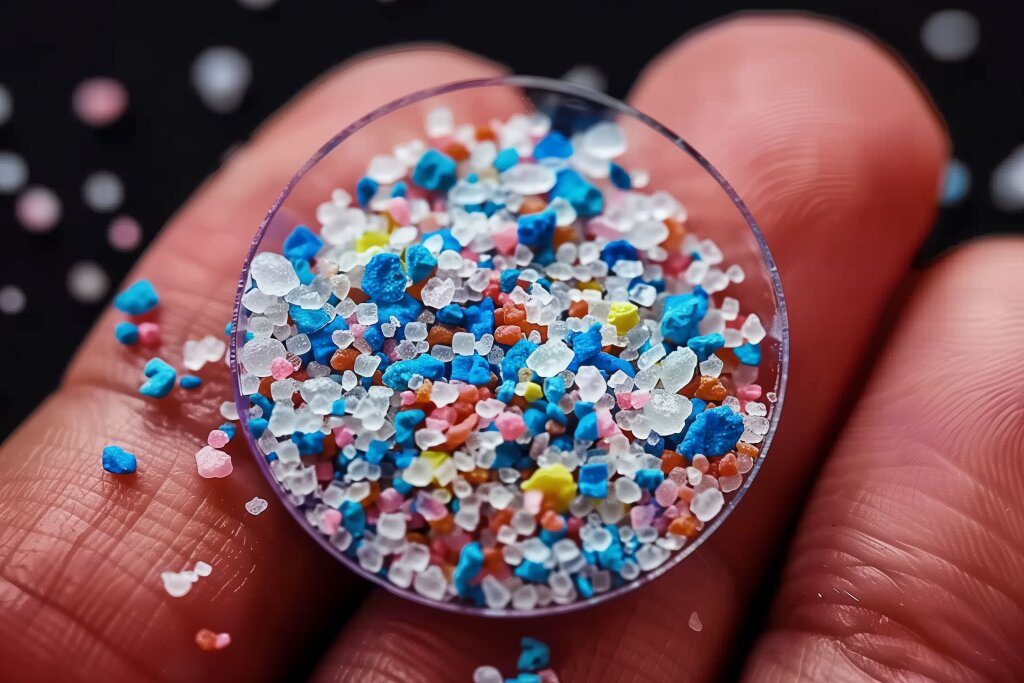
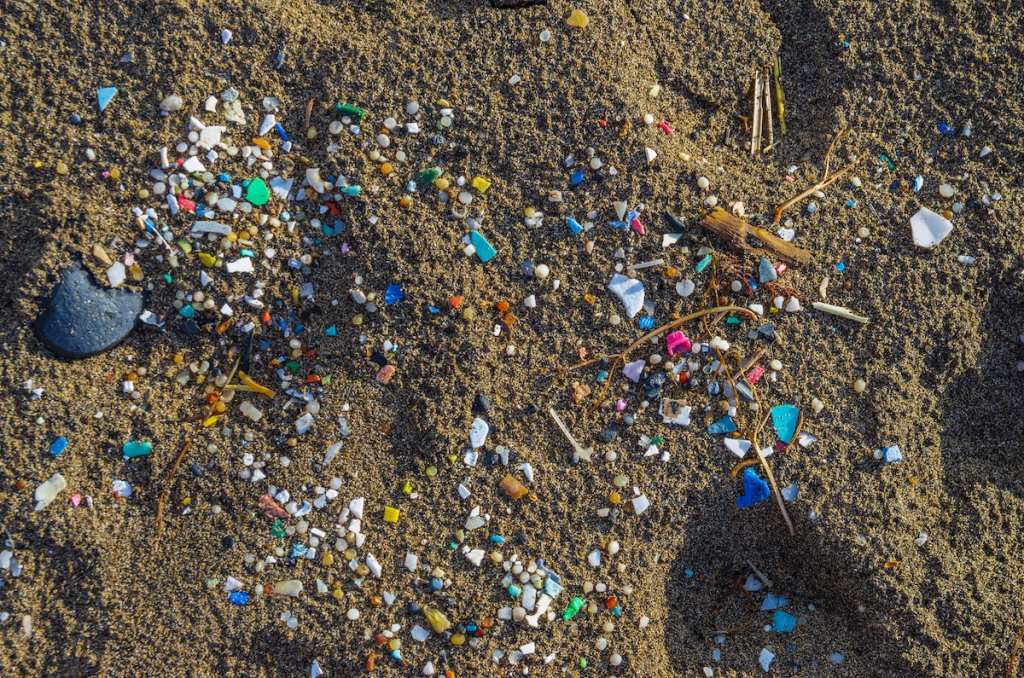
Microplastics are tiny particles of plastic that are contained in the air, plastic dust, food, fabrics, table salt, trash, and nearly every part of modern life. They can range from five millimeters to one micrometer (µm) [11]. Even smaller sizes of microplastics, called nanoplastics, pose a threat to human cells. Less than 100 nm in size, nanoplastics can cross all organs, including the placenta and blood system [11]. Microplastics of size ≤ 20 µm can enter any organ, and; ≤ 100 µm can be absorbed from the gut to the liver [11]. Scientists have discovered microplastics in many parts of the human body, including the liver, blood, and other reproductive organs, including the placenta [15].
Microplastics have multiple routes of getting into the body, which makes them a challenging threat for humans to overcome. To begin, they can be absorbed into the body by wearing clothes with fabrics containing plastic, like polyester. Although this most commonly occurs via inhalation of microplastics in the air, emerging theories also suggest that with long enough exposure to intact or open wounds, absorption of nanoplastics through the skin is possible as well. Inhalation can also occur from air pollution, specifically in areas with high carbon dioxide and dust levels.
In addition, microplastics can be consumed through foods we eat, or plastics we drink or touch, like plastic straws. Marine life also consumes a significant amount of microplastics from pollution in the ocean. Importantly for humans, this is an entry point to the food supply, as the contaminated marine life will then pass the microplastics up the food chain to humans when we eat seafood [11]. Moreover, cleaning products and cosmetics can contain a high amount of plastics that are absorbed into the skin [11]. Some estimates say that a credit card’s worth of microplastics is inhaled by an individual human every week [2].
A practical solution would be to pass the microplastics in the stool; however, the plastics do not always leave the body via waste. Sometimes, microplastics accumulate in the body over long periods of time and absorb into the intestines, bloodstream, and other tissues. Microplastics tend to find their way into crucial arteries and tissues due to their molecular composition.
They are made of synthetic polymers, a series of repeating monomers. The monomers in microplastics are made up of carbon and hydrogen atoms and occasionally have oxygen, nitrogen, chlorine, or sulfur atoms inside [3]. Some of the main components of microplastics are their polymer chains because, like polyethylene, they contain monomers like (–CH₂–CH₂–)ₙ [3]. Also, plastics usually contain additives to enhance their usual properties, but they also have harmful effects on humans. For example, phthalates, which make polyethylene flexible, negatively impact reproductive signals, while colorants are not chemically bonded to the polymer, and thus escape into the environment [3]. Most importantly, microplastics are mostly hydrophobic, which means they repel against water. This causes them to bind with oily substances and bioaccumulate in human tissues [3].
Female Reproductive System
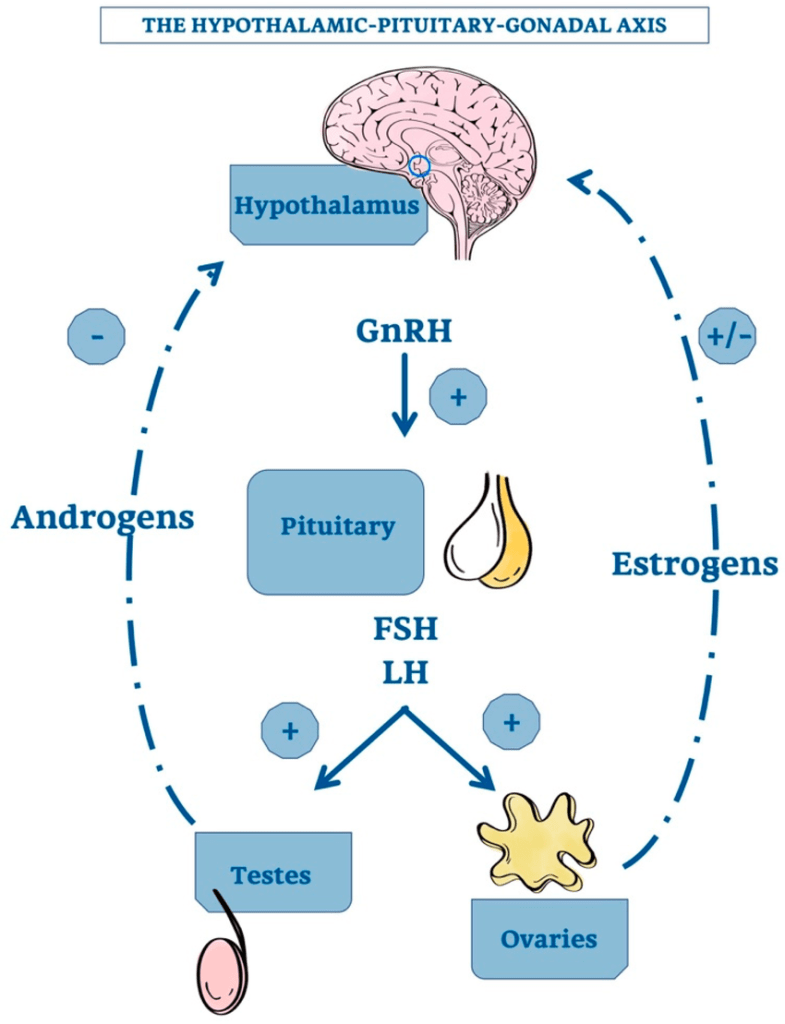
The reproductive system is a highly complex system requiring the coordination between several organ systems and the endocrine system to ensure the human body is an adequate environment for fetal development. The hypothalamic-pituitary-gonadal axis, located between the brain and reproductive organs helps to control ovulation and coordinate reproductive behavior [8].
First, a primary signal called the GnRH (gonadotropin-releasing hormone) is produced by the hypothalamic neurons, which stimulates the pituitary gland to release two important hormones: FSH (follicle–a fluid filled sac in the ovary that contains the immature egg–stimulating hormone) and LH (luteinizing hormone) [8]. These hormones lead to ovarian growth, egg maturation, and preparation of the uterine lining for pregnancy [8]. As the follicles grow, they start to make a form of estrogen known as estradiol, which will ultimately slow down the production of GnRH and FSH [8]. Once there is an adequate amount of estradiol, the GnRH and FSH will burst and surge, leading to ovulation. These reproductive hormones, such as GnRH, regulate the proper timing of a woman’s reproductive cycle [8].
However, foreign chemicals, microplastics, and agents can interfere with hormonal signals, either blocking or mimicking them. This disruption can cause infertility, irregular menstrual cycles, and complications in fetal development, since hormones are key to regulating and protecting the growth of vital organs like the baby’s brain and heart [8].
The placenta forms in a woman during pregnancy. The placenta is crucial for fetal development as it connects the fetal and maternal circulations via the umbilical cord. It supports the baby’s growth and development by providing nutrition and removing waste from the baby’s blood. In addition, the organ plays a major role in immunity because it helps the fetus identify self versus non-self cells and antigens. The placenta is located on the wall of the uterus lining and usually on the top, side, and sometimes even the lower area. When the placenta is too low, it raises a risk known as placenta previa, which is caused when the organ covers the cervical opening, and it can develop this way if microplastics were to block and change growth signaling for the placenta [14].
Microplastics in Female Reproduction
Microplastics enter the human placenta through many of the same pathways they use to accumulate in other tissues. First, they can be introduced through food consumption or inhalation [2]. Then, particles are absorbed through the gut and travel into the bloodstream, where they find their way into the placenta during pregnancy.
On a molecular level, after entering the body, their hydrophobic polymer chains prevent normal decomposition [2]. This means microplastics can proceed and bind to other toxins such as heavy metals, which can enhance the harmful effects in living organisms. Once inside the body, the microplastics can cross membranes such as those in the gut, like the M-cells in the intestinal lining, through the cellular process of endocytosis, which can take in foreign particles [2]. From there, they can enter the lymphatic system and/or the bloodstream [2].
Another pathway for microplastics is that sometimes they can bypass the digestive system completely through cells or between cells transport, which is also known as trans-cellular and paracellular transport [2]. Once in the bloodstream, microplastics can circulate to any part of the body, including the placenta. While the placenta does have a layer to protect it from harmful substances called a syncytiotrophoblast layer, nanoplastics can bypass this layer through endocytosis or passive diffusion through functional surfaces coated with proteins [2].
Once inside, the microplastics may interact with intracellular structures like the mitochondria, which can affect energy production, the endoplasmic reticulum, and as a result impact protein synthesis and lysosomes, ultimately leading to cell damage [2]. Studies show high levels of microplastics in human placental tissue:
In a 2024 study led by Dr. Matthew Campen and colleagues, microplastics were found in all 64 placentas studied, with amounts ranging from 6.5 to 790 micrograms per gram of tissue. Moreover, it was found that 54% of the plastic was polyethylene, the plastic that makes up plastic bags and bottles, with polyvinyl chloride and nylon being 10%, and the rest being nine other polymers [13]. This suggests that a majority of the placental microplastics are likely inhaled due to direct contact with the plastics on our mouth, nose, hands, etc.
Another study showed that 10.9% of all microplastics found in a human body were in the placenta, demonstrating how common microplastic exposure is during human development [5]. Thus, microplastics can enter the developing fetus through the placenta [13]. Multiple international studies have found microplastics within the placenta and neonatal samples, suggesting a widespread exposure of microplastics globally [4]. Between 2021 and 2023, seven studies were conducted in four countries, which showed a high percentage of microplastics in the placental tissue.
In 2021, an Italian study identified microplastics in four out of six placentas from vaginal births using light microscopy and Raman microspectroscopy [9]. In another Italian study, all ten placentas (from both vaginal and Cesarean section births) contained microplastics [9]. Electron microscopy revealed cellular damage, although the association with microplastics was not definitive [9]. Importantly, higher microplastics and polymer levels were linked to greater water consumption and frequent use of certain personal care products [9].
In 2022, an Iranian study detected microplastics in 13/13 placentas from the intrauterine growth restriction (IUGR) group and only 4/30 in the normal group [9]. This study implied that microplastic exposure may affect fetal development and normal growth. More studies also showed the presence of microplastics in cord blood samples [4]. However, only a few were tested since there is no commercially available test to find microplastics in placentas. These studies demonstrate that, as reproduction continues, this cycle could lead to a growing buildup of microplastics in future offspring and a possibility of new illnesses that will go unnoticed.
Placental microplastics affect reproduction and early fetal development. Fetal development begins from the first stage of pregnancy, often before many women realize they are pregnant [19]. There are three stages of fetal development: germinal, embryonic, and fetal [19]. The germinal stage is where the sperm and egg combine to form the zygote [19]. From there, the zygote turns into a blastocyst, where it is implanted into the uterus [19]. Next is the embryonic stage, usually from around the third week of pregnancy to the eighth week [19]. During this stage, the blastocyst becomes an embryo as the baby develops human characteristics such as organs [19]. At weeks five to six, the heart is recognized in the baby, and little arm and leg stubs are also discoverable [19]. Finally, the fetal stage begins around the ninth week and lasts until birth. During the fetal stage, the baby develops its primary sex characteristics that officially turn the embryo into a fetus. The fetus also grows hair and fingernails at this time and can start to move [19].
Microplastics can affect fetal development in several ways. Ultimately, babies are born pre-polluted [12].
“If we are seeing effects on placentas, then all mammalian life on this planet could be impacted,” says Dr. Matthew Campen, Regents’ Professor, UNM Department of Pharmaceutical Sciences.
Once the microplastics and nanoplastics enter cells, including both germ and somatic cells, they can cause oxidative damage, which can lead to DNA damage and cell death [16].
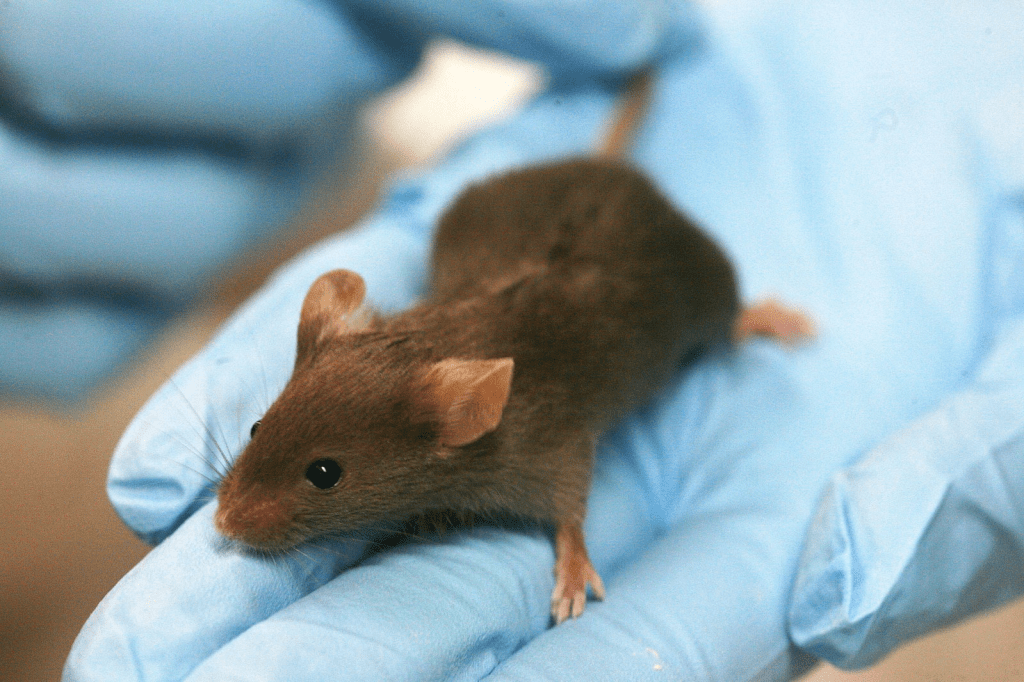
Microplastics can lead to cell death through pyroptosis [16], a highly inflammatory form of lytic programmed cell death caused by microbial infection [17]. When microplastics are detected, there is trafficking of immune cells like natural killer, T cells, and uterine dendritic cells to extinguish them as they are detected as non-self [16]. In mouse models, placental microplastics were shown to reduce the number of live births, alter the sex ratio of offspring, and cause fetal growth restriction, all effects that have also been observed in humans.
If one of these effects is already seen in humans, it raises the possibility that the others could follow. Since microplastics are present in human tissues, the outcomes seen in animal models like hormonal disruption, reduced sperm count and viability, decreased egg quality, neurophysiological and cognitive deficits, and disrupted embryonic development, [1] could also emerge in humans.
Furthermore, microplastics can change the gut microbiome and hormonal signaling, which can directly impact normal physiology and alter the signals sent between the uterus and embryo [1]. They do this by changing the balance and composition of the gut, which can lead to dysbiosis, an imbalance of the gut bacteria [10]. Some changes to the delicate gut microbiome could cause a condition called leaky gut, which shifts the previously semi-permeable membrane into a hyperpermeable one [10]. Emerging research demonstrates increasing rates of infertility, with scientists implicating environmental exposures, including microplastics.
Microplastics may also affect the endocrine system, which leads to neurodevelopmental issues in the offspring [1]. Another feature of abnormal pregnancies can be high blood pressure in mothers (like preeclampsia), which can result in organ failure and severe problems in the mother [1]. The endocrine system is the hormone-regulating system in your body that directly involves the glands of the gonads (ovaries and testes). Microplastics can interfere with the production of these hormones due to the additive factors the polymers carry, like Bisphenol A (BPA), which is used to harden the plastic [1].
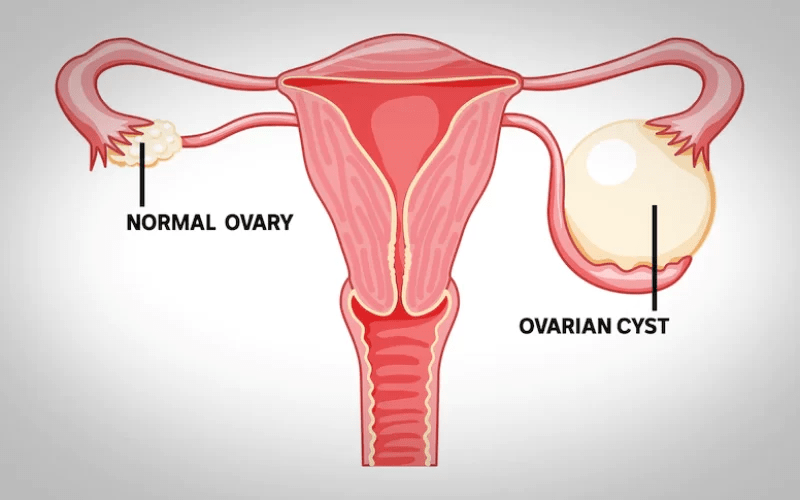
These chemicals are known as endocrine-disrupting chemicals. In addition to this, it can directly bind to the hormone receptors and block normal signaling [1]. Such effects can change gene expression, cause hormone-related cancers, and most importantly, impact fetal endocrine function and development, including lower birth weight and reproductive disorders [1]. Ovarian cysts—fluid-filled sacs that develop on or in the ovaries—can also be caused by microplastics in the reproductive system [15]. When a hormone signal is out of balance, it can trigger the egg not to be released, which can persist to form a cyst [15]. Although this is still being researched by scientists today, there has been a direct correlation in mice, suggesting microplastics disrupt ovarian follicle development.
While the immediate effects of microplastics in placentas are concerning, there are other long-term concerns, such as a generational impact, that raise a sense of urgency to the issue. First, microplastics do not disappear once a person dies [6]. The synthetic particles of microplastics resist biodegradation when the body is buried or even cremated [6]. This means it can reenter the ecosystem and harm other organisms [6]. On the other hand, microplastics are also being passed from generation to generation through parental gametes and the placenta. Microplastics can lead to more detrimental impacts that haven’t even been discovered yet. With more and more accumulation, the body can respond in many different ways that are hard to predict. However, it can be assumed that populations with more microplastics are more likely to be infertile in the future. One can imagine a scenario in which natural selection might occur, as people with less microplastics or who are less affected by their presence will be better able to survive and reproduce.
Summary and Conclusion
Microplastics lead to hormone imbalances of estrogen and other hormones in female bodies by disrupting hormone signaling (activating and blocking), and altering reproductive organ function and development, including infant birth weight, length, and head circumference [10]. Microplastics can interfere with gene expression or epigenetic markers, which can alter the way a fetus develops [10]. They can cut gene readings short, which could lead to affecting their length or head circumference [10]. Impaired egg development and follicular growth can impair fertility and have been linked with microplastic exposure [10]. Similarities can be seen in male fertility as microplastics affect the inflammatory response, change hormone levels with their disrupting and toxic chemicals, and cause cellular damage to the development of the gametes [5]. Overall, the effects of microplastics on reproductive systems have grave consequences, with evidence suggesting infertility in humans.
In addition to understanding the effects of microplastics on human health and reproduction, scientists are working to rid the body of microplastics. By studying plastic-eating microorganisms, they can examine the enzymes they have that allow them to process microplastics naturally [10]. Additionally, as there is increasing understanding of methods of exposure, such as inhalation or absorption, [10], there are ways to reduce the chance of microplastic exposure to your body. For example, humans face the biggest possibility of exposure from food. Fish is a great source of nutrients and protein, however, it is extremely crucial to know that fish carry large quantities of microplastics ingested in the ocean. By ensuring trash and plastics do not end up in aquatic ecosystems, humans can reduce the chance of microplastics entering the food chain. Scientists are also advocating for the elimination of single-use plastic and finding a more sustainable way to save the human population and the environment.
A Simple Technique for Studying the Interaction of Polypropylene-Based Microplastics with Adherent Mammalian Cells Using a Holder. Feb. 2025, research.ebsco.com/c/3uzxq3/search/details/hul46wuiu5?isDashboardExpanded=true&limiters=FT1%3AY&q=DE%20%22MICROPLASTICS%22.
Chemical Analysis of Microplastics and Nanoplastics: Challenges, Advanced Methods, and Perspectives. 26 Aug. 2021, pubs.acs.org/doi/10.1021/acs.chemrev.1c00178.
Cleveland Clinic. “Fetal Development.” Cleveland Clinic, 19 Mar. 2024, my.clevelandclinic.org/health/articles/7247-fetal-development-stages-of-growth.
Comparison of Microplastic Levels in Placenta and Cord Blood Samples of Pregnant Women With Fetal Growth Retardation and Healthy Pregnant Women. Kutahya Health Sciences University, 1 Apr. 2022. clinicaltrials.gov/study/NCT05070715?cond=placenta&term=microplastics&rank=1.
Exposure to Microplastics and Human Reproductive Outcomes: A Systematic Review. 29 Jan. 2024, obgyn.onlinelibrary.wiley.com/doi/10.1111/1471-0528.17756.
Haederle, Michael. “Microplastics in Every Human Placenta, New UNM Health Sciences Research Discovers.” UNM HSC Newsroom, 2024, hscnews.unm.edu/news/hsc-newsroom-post-microplastics.
Hunt K, Davies A, Fraser A, Burden C, Howell A, Buckley K, et al. Exposure to microplastics and human reproductive outcomes: A systematic review. BJOG. 2024; 131(5): 675–683. https://doi.org/10.1111/1471-0528.17756.
Leaky Gut Syndrome. Cleveland Clinic, 6 Apr. 2022, my.clevelandclinic.org/health/diseases/22724-leaky-gut-syndrome.























 Youth Stemline